

Forging Streamline Detection
Black metals: carbon structural steel, alloy structural steel, stainless steel, high carbon chromium bearing steel, tool and mold steel, high manganese steel, low-alloy high-strength steel, etc
- Fast Delievery
- Quality Assurance
- 24/7 Customer Service
Product Introduction

Detection range
Black metals: carbon structural steel, alloy structural steel, stainless steel, high carbon chromium bearing steel, tool and mold steel, high manganese steel, low-alloy high-strength steel, etc
Nonferrous metals: aluminum and aluminum alloys, copper and copper alloys, titanium and titanium alloys, nickel based high-temperature alloys, etc
Special forging materials: powder metallurgy forgings, duplex steel forgings, heat-resistant alloy forgings
Forging process: free forging, die forging, precision forging, roll forging, upsetting forging, extrusion forging, etc
Typical forgings: shafts, gear blanks, flanges, pressure vessel heads/cylinder forgings, bolt forgings, mold forgings, aerospace precision forgings, engineering machinery connecting rods/crankshafts forgings
Raw material/forging billet incoming acceptance: determining the quality of forging billet streamline basic forming
Forging process validation: Verify whether the forging ratio, deformation amount, and forming process are reasonable
Quality assessment of forged products: evaluate whether the streamline grade meets the design requirements according to the standard
Failure analysis: Determine whether streamline defects (such as disorder and interruption) are the cause of forging fracture/failure
Test items
Flow line shape recognition: Determine the flow line as a typical shape such as continuous fiber, mesh, branch, etc
Flow line distribution direction: Check whether the flow line is consistent with the actual main force direction of the forging (such as the flow line of shaft forgings distributed along the axial direction, and the flow line of gear blanks distributed along the tooth profile)
Continuity of streamline: Check whether the streamline has discontinuous features such as interruption, discontinuity, bifurcation, etc
Integrity of streamline: Determine whether the critical stress bearing parts of the forging (such as the journal and flange end face) are covered by complete streamline
Streamline disorder: Determine whether the local area of the forging (such as corners and steps) is distorted and irregularly distributed due to uneven forging deformation
Flow/Eddy Current: Check whether there are streamline cross flow, local eddy current, and stress concentration source at the forging joint and upsetting joint
Streamline segregation: Check the superposition of streamline and component segregation zones to determine whether segregation forms defects as the streamline extends
Flow interruption/no flow line: Check whether the critical parts of the forging have broken or not formed effective flow lines due to insufficient forging ratio or deformation
Forging ratio matching: Verify whether the actual forging ratio meets the design requirements based on the streamline distribution density and elongation
Streamline rating: Grade the forming quality of forging streamline according to the standard rating chart
Requirements for streamline of key parts: Check whether the streamline of the easily failed parts of the forging (such as fatigue load parts) meets the design distribution requirements for fatigue resistance and fracture resistance

Testing standards
GB/T 226-2015 Acid corrosion inspection method for macrostructure and defects of steel
YB/T 006-2021 Low magnification microstructure defect rating chart for forging steel billets
GB/T 13298-2015 Method for examination of microstructure of metals
JB/T 5000.15-2007 General Technical Conditions for Heavy Machinery Part 15: Forged Steel Parts
GB/T 18144-2019 Test Method for Fracture Surface of Metallic Materials
GB/T 30981-2020 Limits of Hazardous Substances in Industrial Protective Coatings
YB/T 4149-2006 Low magnification microstructure defect rating chart for continuous casting steel billets
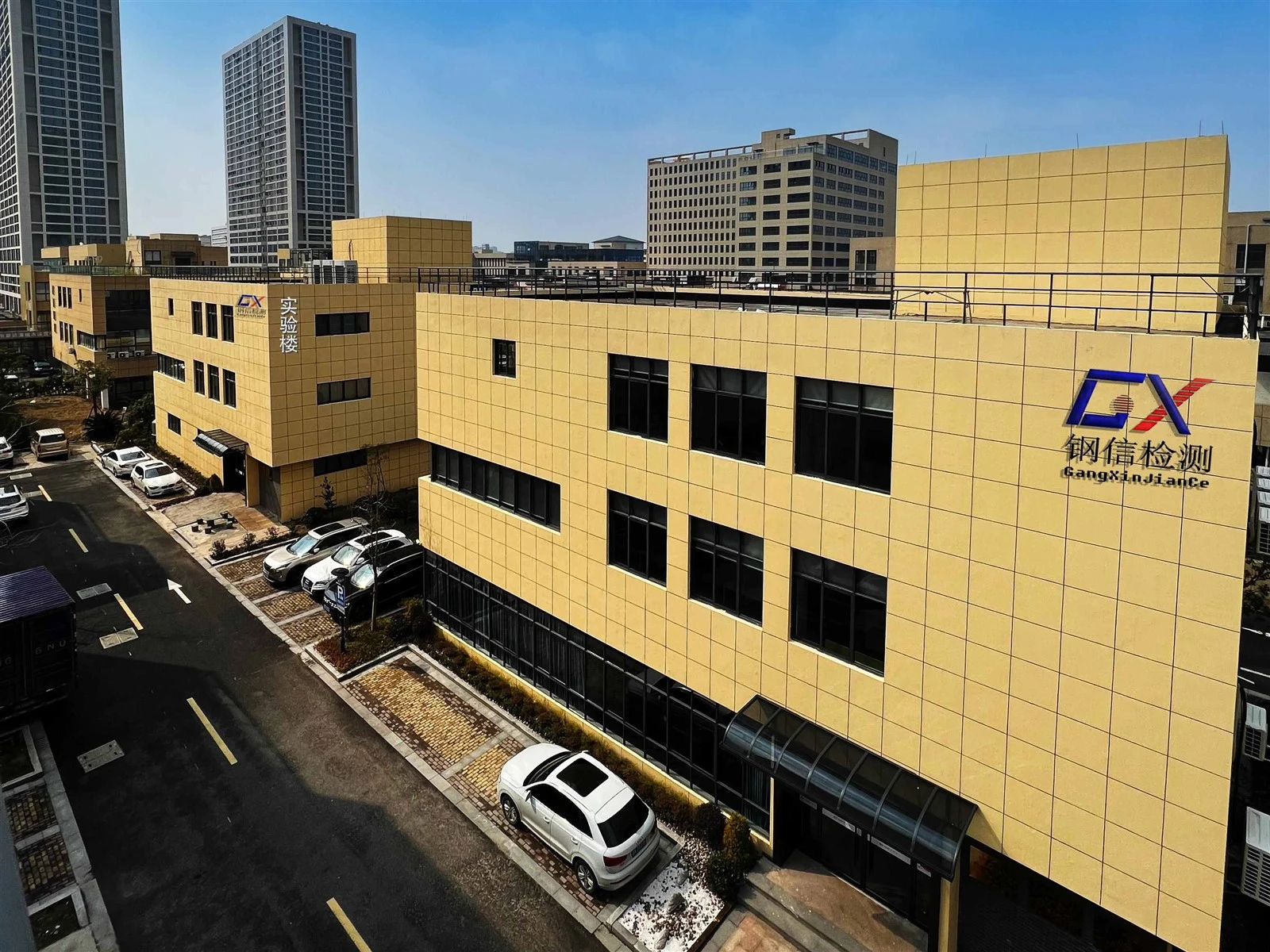
was established in 2011. As a national high-tech enterprise recognized by the Zhejiang Provincial Higher People's Court as a judicial authentication institution for construction engineering quality, we specialize in structural performance testing and safety assessment of construction projects, special equipment, communication towers, electromagnetic environments, large bridges, and building safety appraisal.
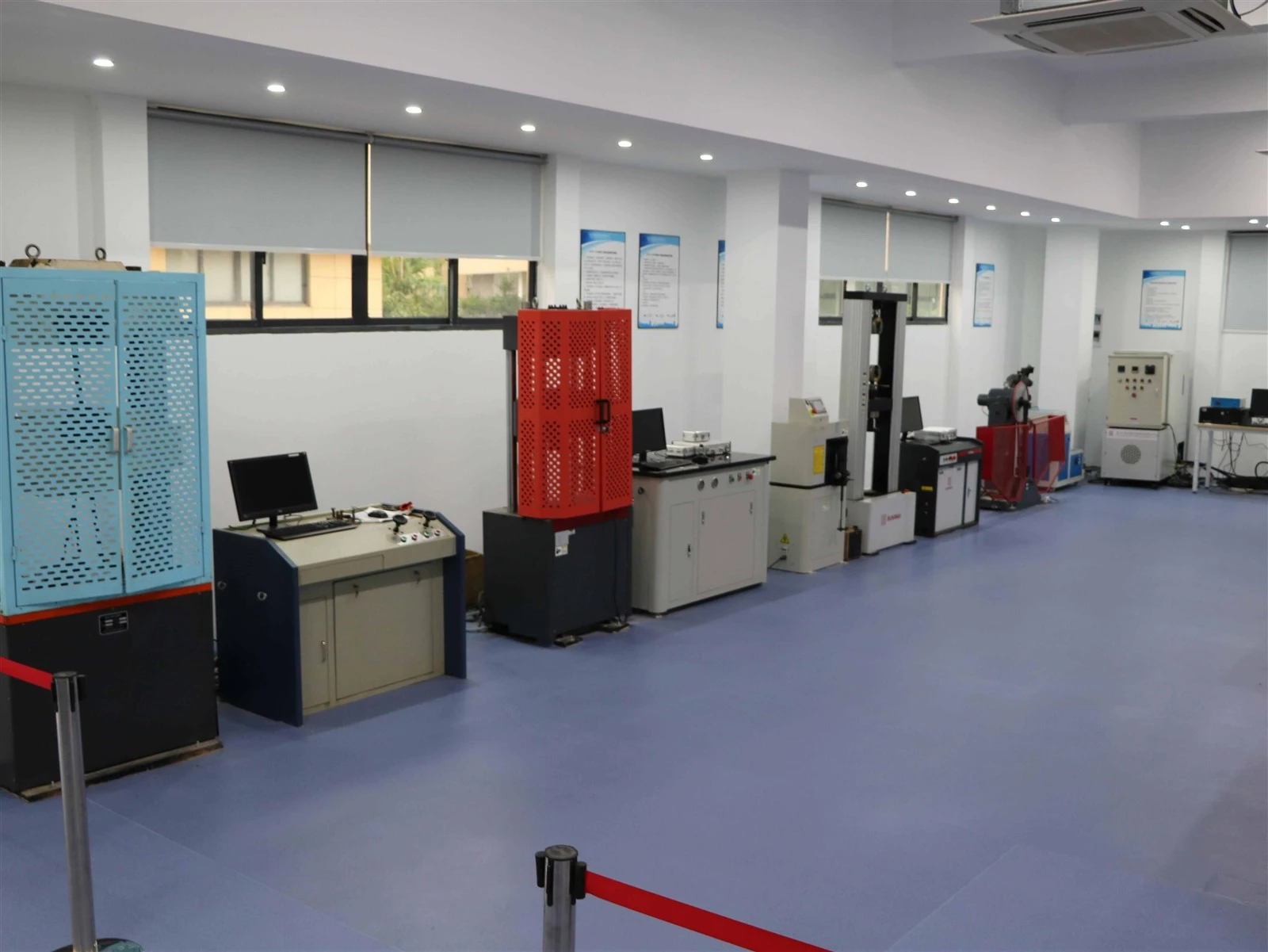
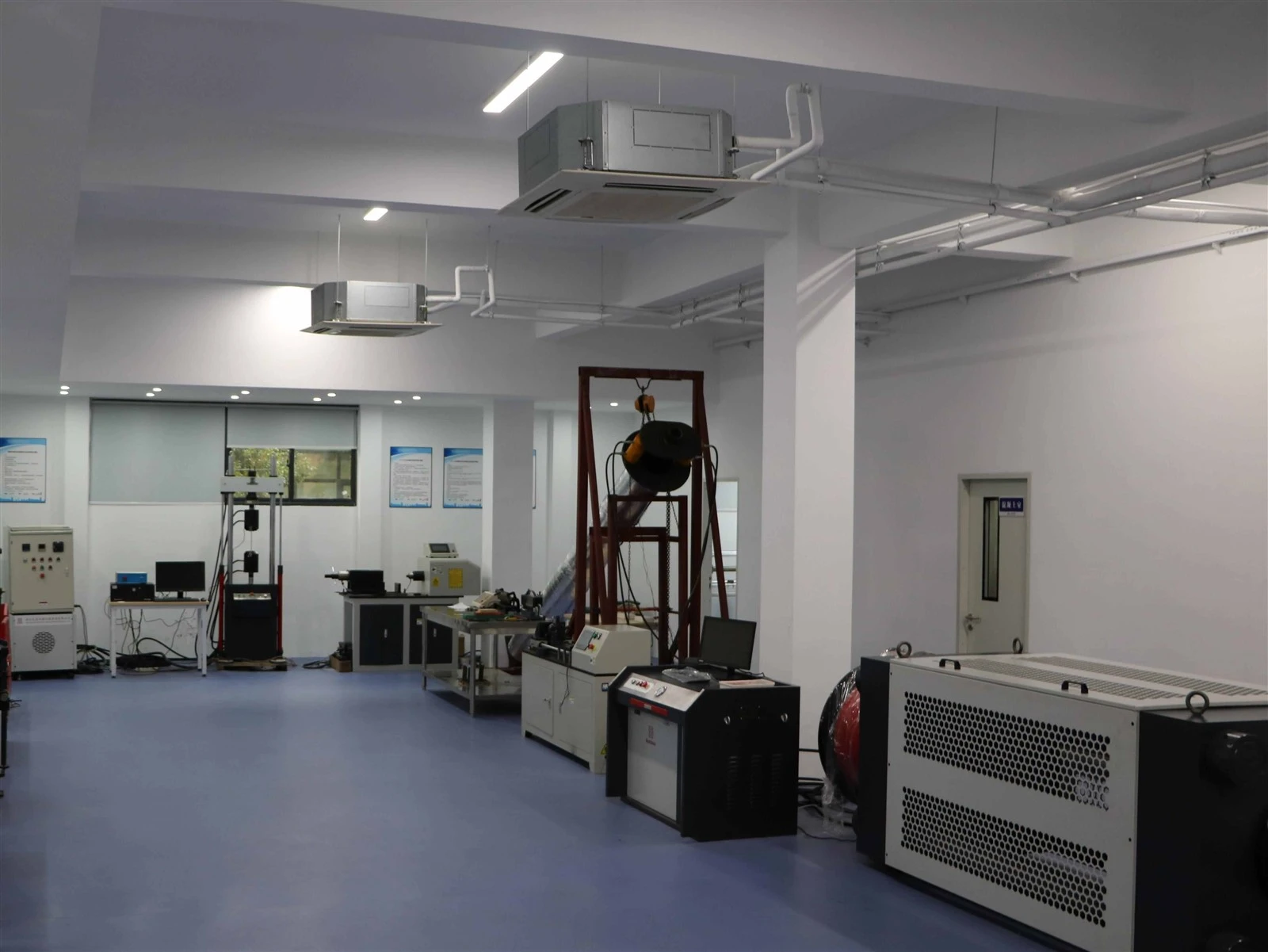
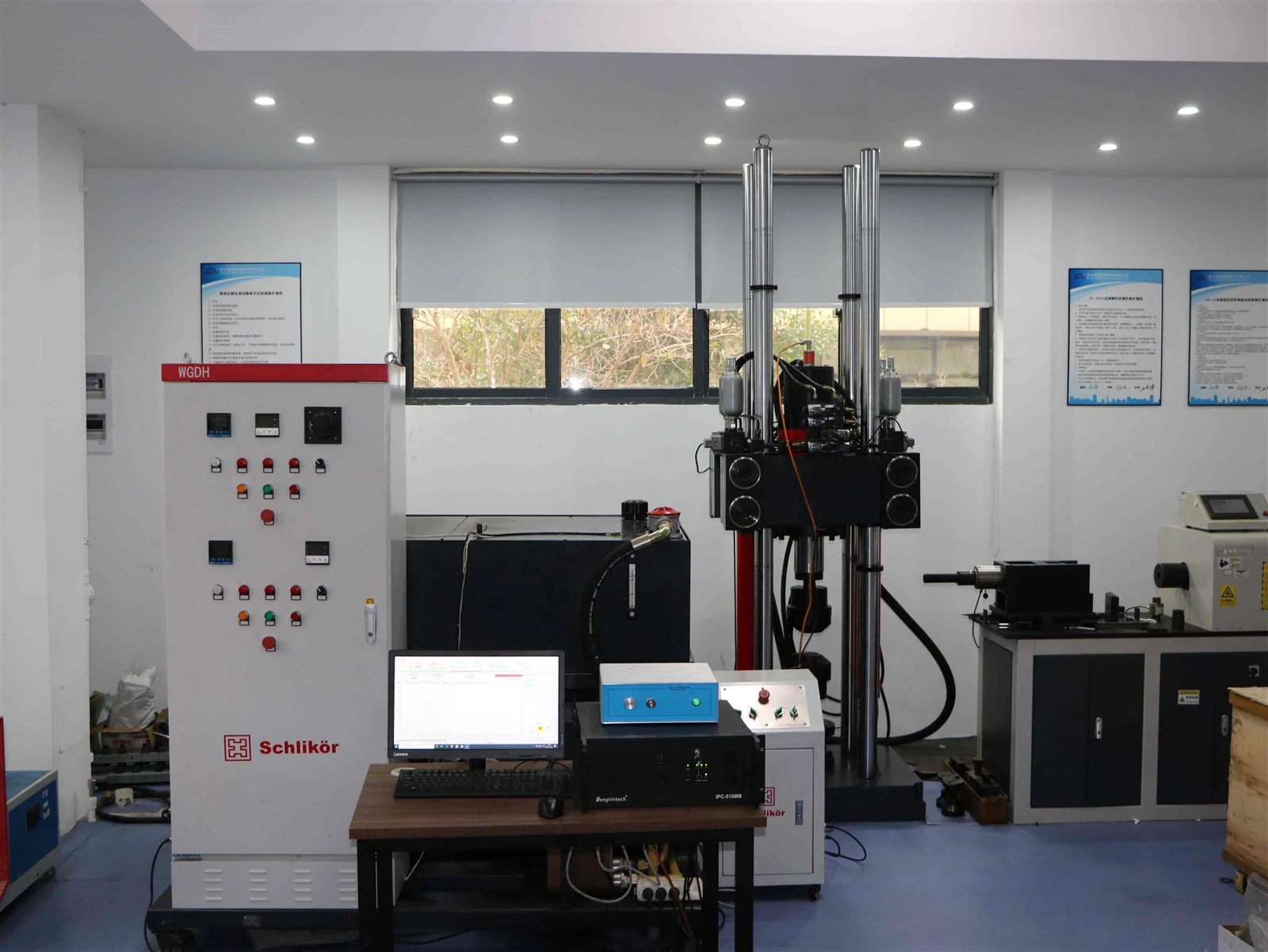
The company has more than 100 professional and technical personnel, over 90% of whom hold various medium and senior technical certificates. Equipped with complete testing equipment worth over RMB 10 million, our business scope covers the whole country.