

Sodium Hydroxide Etching Detection
Electrochemical testing: open circuit potential, polarization curve, electrochemical impedance spectroscopy (EIS), to evaluate corrosion kinetics parameters.
- Fast Delievery
- Quality Assurance
- 24/7 Customer Service
Product Introduction

Scope of inspection
Metals and alloys: carbon steel, stainless steel, aluminum alloy, copper alloy, titanium alloy, nickel based alloy, etc
Polymer materials: PP, PE, PTFE, PVC, epoxy resin, rubber, etc.
Building materials: concrete, mortar, aggregates, ceramic tiles, glass, etc.
Surface treatment and coating: anti-corrosion coating, enamel layer, electroplating layer, etc.
Composite materials: carbon fiber/glass fiber reinforced composite materials, sealing materials, etc.
Chemical equipment: components such as storage tanks, pipelines, reaction vessels, heat exchangers, etc. that come into contact with NaOH medium.
Pressure equipment: boilers, pressure vessels, and their welded joints.
Building components: basement walls, swimming pool inner walls, concrete structures.
Electronic and medical devices: components that require alkali resistant cleaning or disinfection.
Inspection items
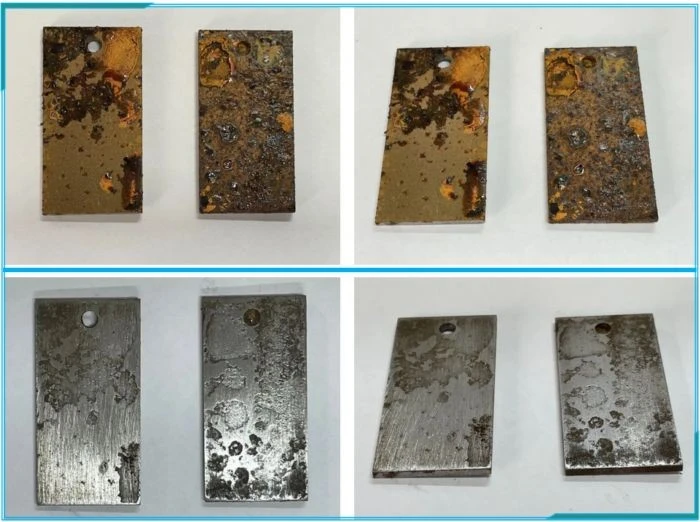
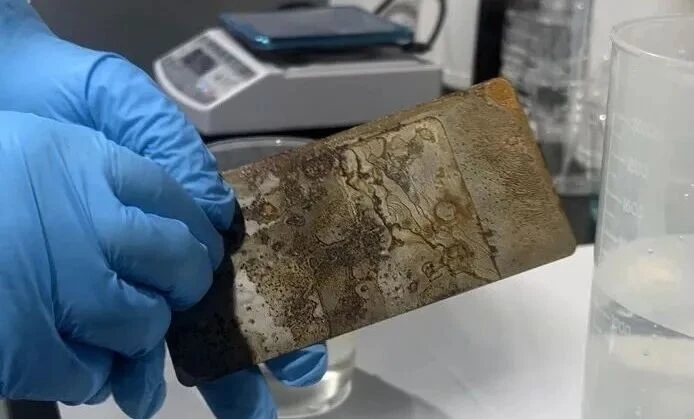
Uniform corrosion assessment: quality loss rate, corrosion rate, surface morphology observation
Electrochemical testing: open circuit potential, polarization curve, electrochemical impedance spectroscopy (EIS), to evaluate corrosion kinetics parameters.
Corrosion product analysis: EDS composition determination, XRD phase identification, to clarify the corrosion mechanism.
Comparison of mechanical properties: changes in tensile strength, yield, and hardness before and after corrosion to evaluate structural integrity
Coating and surface layer: adhesion changes, blistering/peeling rating, corrosion diffusion area
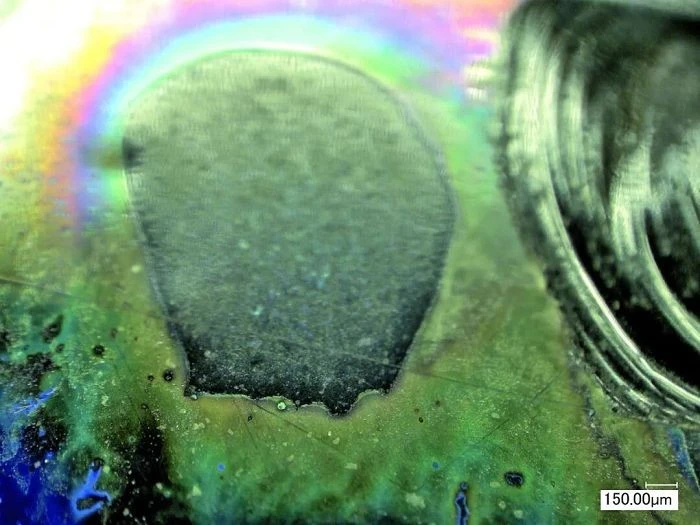
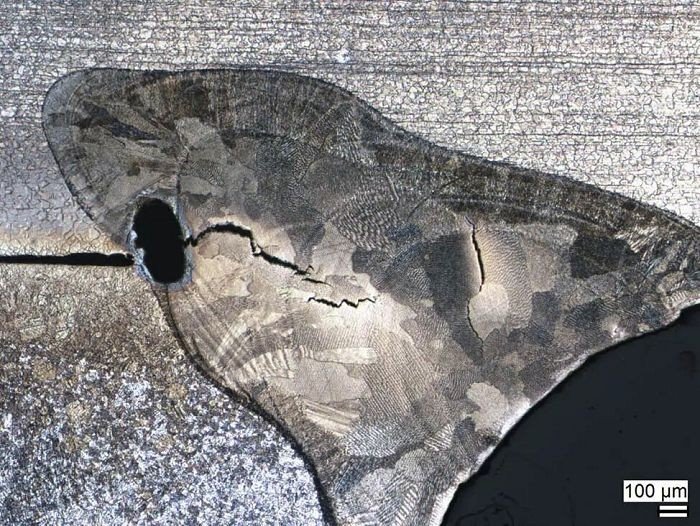
Localized corrosion detection: pitting density and depth, crevice corrosion sensitivity, intergranular corrosion tendency
Stress Corrosion Cracking (SCC): Determination of Stress Corrosion Threshold, Crack Propagation Rate, Alkali Brittle Sensitivity Test

Inspection criteria
GB/T 10124-2022 Metallic Materials Laboratory Uniform Corrosion Immersion Test Method
GB/T 11547-2008 Determination of Resistance of Plastics to Liquid Chemical Reagents
GB/T 9274-1988 Determination of resistance to liquid media for paints and varnishes
GB/T 1690-2010 Test Method for Liquid Resistance of Vulcanized Rubber or Thermoplastic Rubber
GB/T 2997-2000 Test methods for bulk density, apparent porosity, and true porosity of dense shaped refractory products
ASTM G31-2020 Standard Practice for Laboratory Immersion Corrosion Testing of Metals
ASTM G103-2020 Stainless Steel Gap Corrosion Test Method
ISO 175:2010 Determination of immersion effect of plastic liquid chemical reagents
ISO 11845:1995 General principles for corrosion testing of metals and alloys
NB/T 47014-2011 Welding Procedure Qualification for Pressure Equipment
HG/T 3674-2011 Sodium Hydroxide for Industrial Use
ASTM C267-19 Test Method for Chemical Corrosion Resistance of Mortar and Concrete
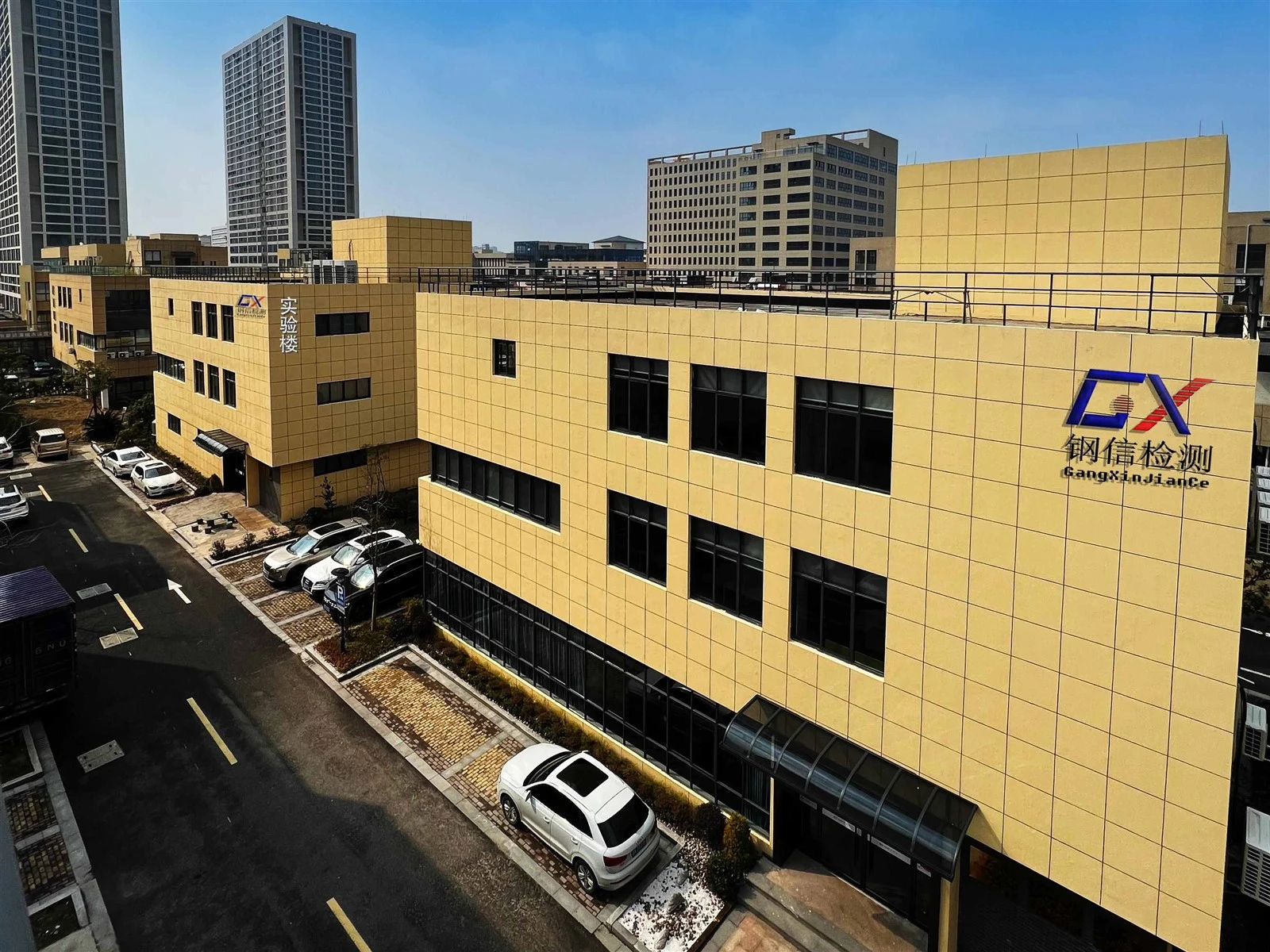
was established in 2011. As a national high-tech enterprise recognized by the Zhejiang Provincial Higher People's Court as a judicial authentication institution for construction engineering quality, we specialize in structural performance testing and safety assessment of construction projects, special equipment, communication towers, electromagnetic environments, large bridges, and building safety appraisal.
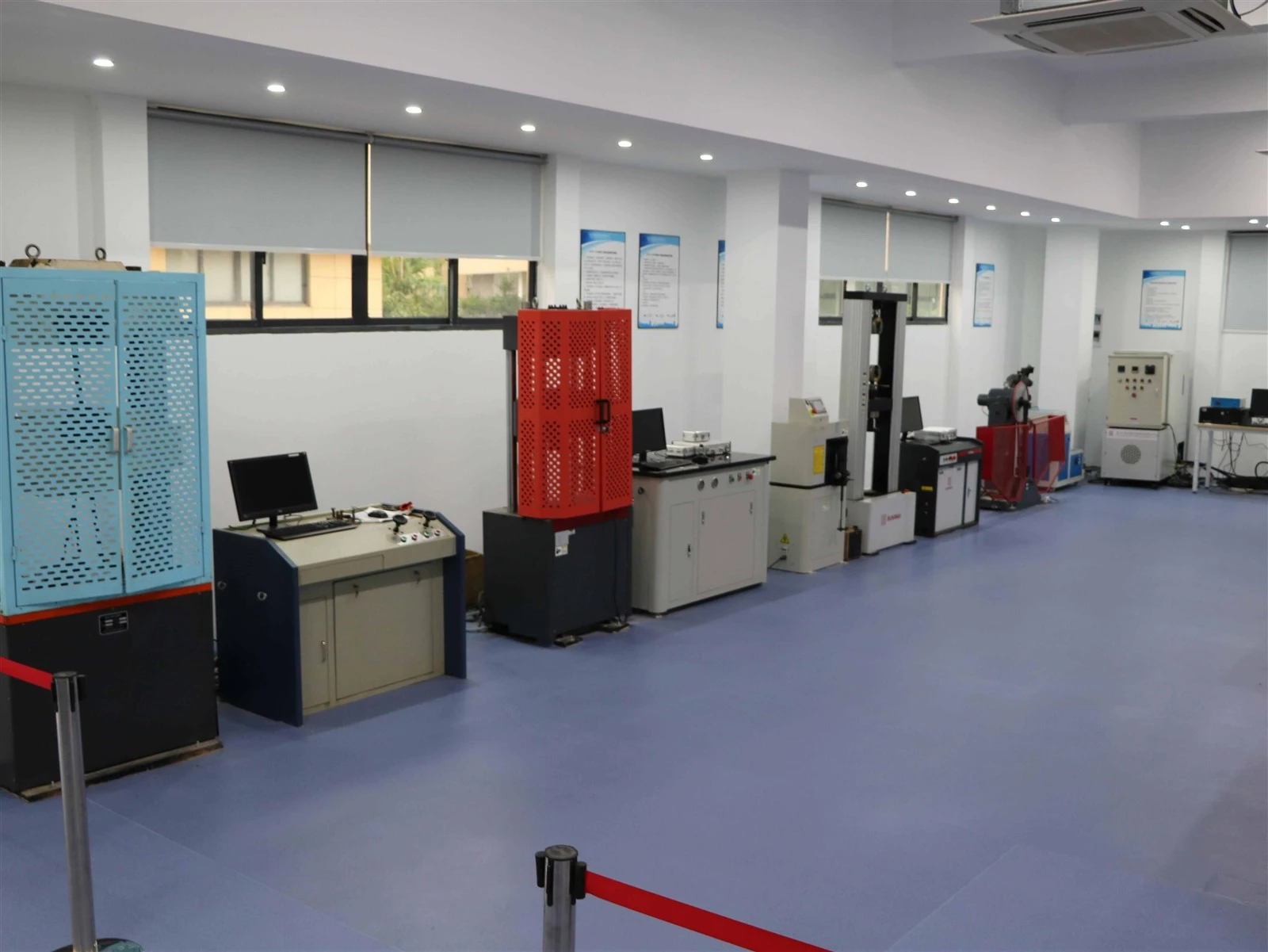
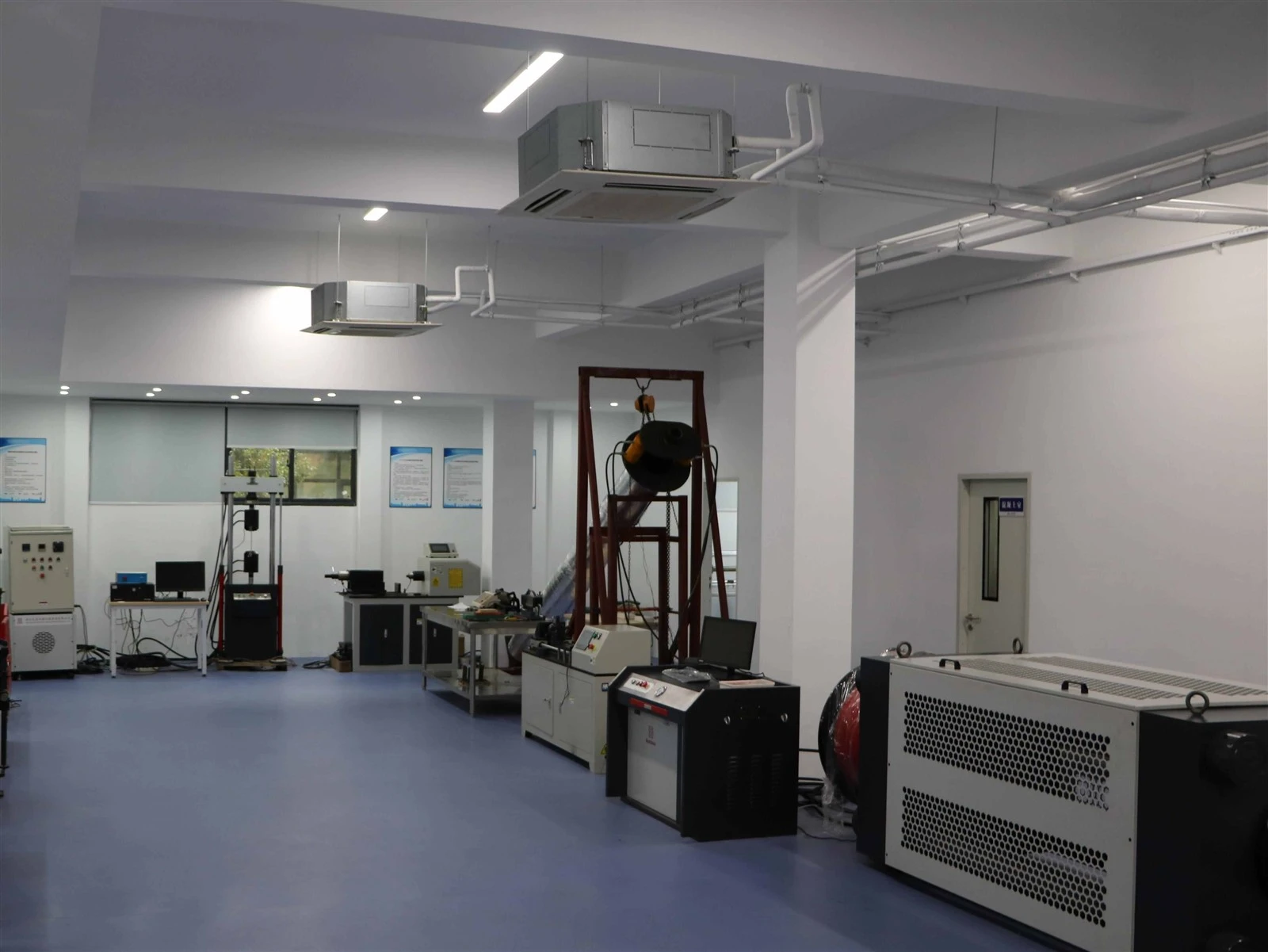
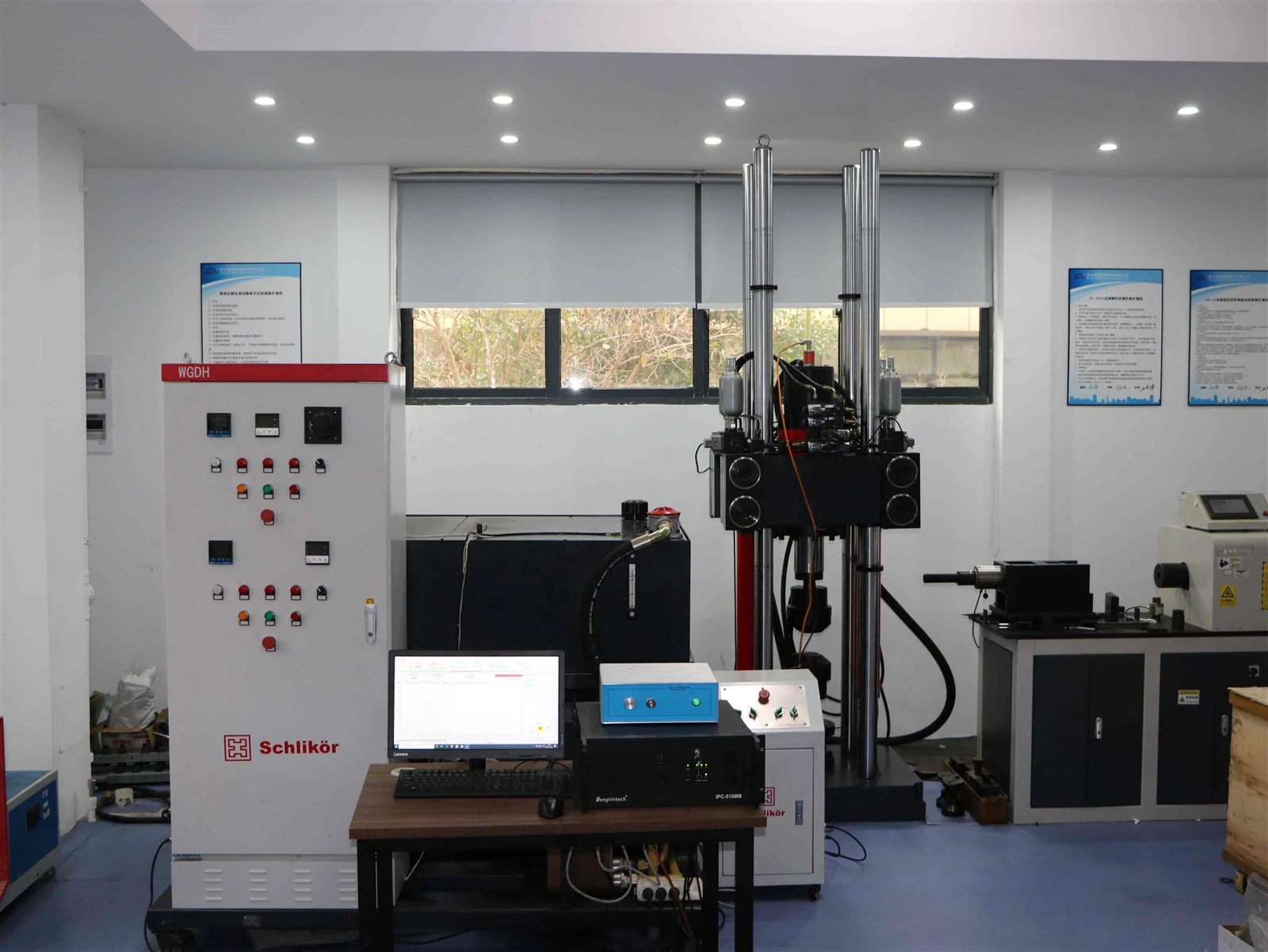
The company has more than 100 professional and technical personnel, over 90% of whom hold various medium and senior technical certificates. Equipped with complete testing equipment worth over RMB 10 million, our business scope covers the whole country.