

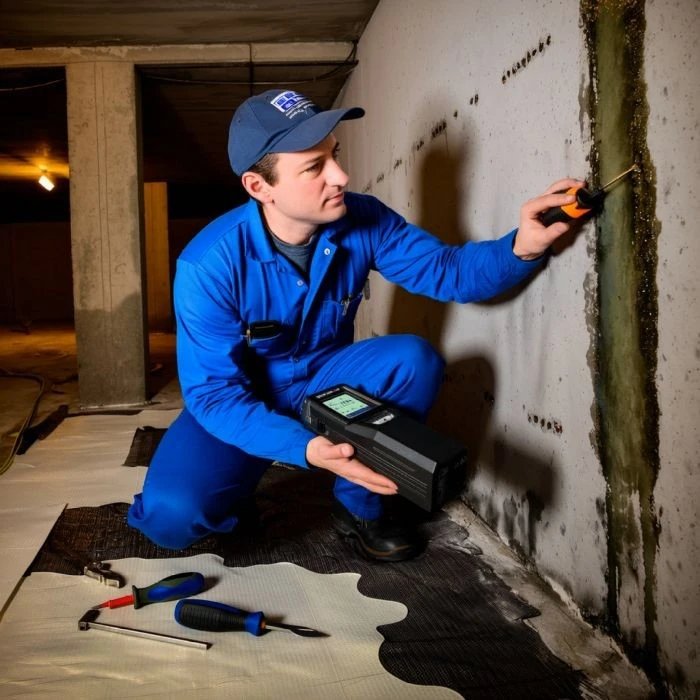
House Safety Appraisal
The core of building safety testing is to determine the safety level of the entire building and its structural components through on-site inspection, structural verification, analysis and evaluation, identify safety hazards and propose treatment suggestions. The testing scope covers all types and structural systems of buildings, and the testing content is divided into four core modules: basic investigation, on-site inspection, structural analysis, and level assessment.
- Fast Delievery
- Quality Assurance
- 24/7 Customer Service
Product Introduction

House safety testing
The core of building safety testing is to determine the safety level of the entire building and its structural components through on-site inspection, structural verification, analysis and evaluation, identify safety hazards and propose treatment suggestions. The testing scope covers all types and structural systems of buildings, and the testing content is divided into four core modules: basic investigation, on-site inspection, structural analysis, and level assessment. The specific classification and details are as follows:
Scope of application for housing safety testing
Covering various types of buildings (structures), including new construction, in use, renovation, post disaster scenarios, etc. The core applicable scenarios and types of buildings are as follows:
Applicable testing scenarios:
The safety assessment of the house reaching its designed service life and requiring continued use;
Review before changing the use function or increasing the load of the house (such as changing the shopping mall, adding floors, or installing equipment);
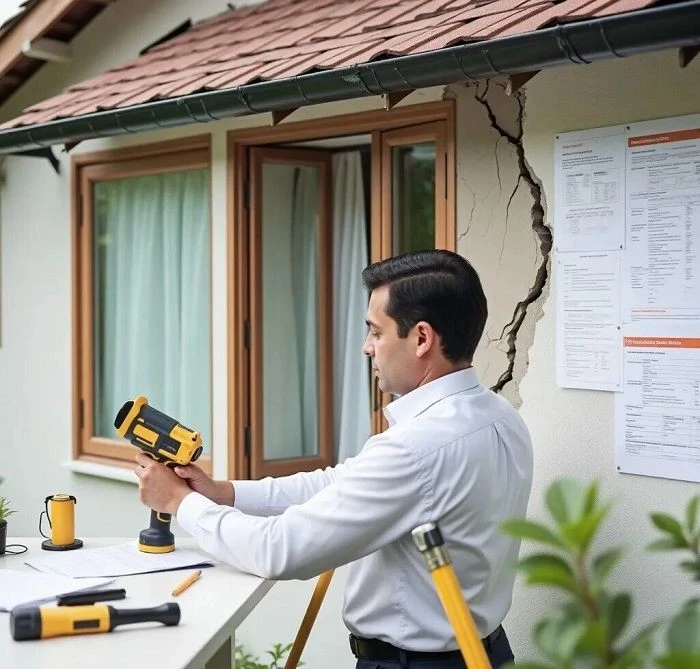
Hidden danger investigation of obvious damage to the house (wall cracking, foundation settlement, beam and column deformation, precursor of roof collapse, etc.);
Identification of damage to building structures after disasters such as earthquakes, fires, floods, typhoons, and impacts;
Review of the safety of buildings affected by construction activities such as excavation of foundation pits, subway construction, and blasting operations;
Issuance of housing safety certificates for scenarios such as property rights transactions, judicial arbitration, and completion acceptance;
Normalized safety inspections for old houses and self built houses in urban villages.
Applicable housing types:
Civil buildings: residential buildings, apartments, office buildings, schools, hospitals, shopping malls, hotels, sports halls, theaters, etc;
Industrial buildings: factories, warehouses, workshops, boiler rooms, distribution rooms, etc;
Structures: walls, chimneys, water towers, billboard supports, underground garages, etc;
Special buildings: historical buildings, cultural relics buildings, temporary buildings (exceeding their service life), etc.

Core content of housing safety testing
The testing process follows the steps of basic investigation, on-site inspection, structural analysis, and final grade evaluation. The content of each step progresses layer by layer, covering all dimensions of the building structure without omission. The specific details are as follows:
(1) Basic data investigation and on-site survey
The core is to collect the original data of the house, grasp the basic situation, and determine the direction for subsequent testing. If there is no original data, it needs to be supplemented and verified through on-site investigation:
Collect design data: construction drawings, structural calculation sheets, completion acceptance data, geological survey reports, etc;
Collect usage data: service life, functional changes, load change records, maintenance and renovation records, disaster history, etc;
On site survey: Verify the actual layout, structural system (brick concrete/frame/shear wall/steel structure, etc.), component layout of the house, preliminarily investigate obvious damages (cracks, deformation, corrosion, alkali, etc.), and record the surrounding environment (construction, geology, drainage, etc.).
(2) On site entity detection
The core link of building safety testing is to obtain the actual parameters of structural components through non-destructive/micro damage testing methods, providing real data for structural verification. It is divided into general testing items and specialized testing items for each structural system:
1. General testing items (mandatory for all houses)
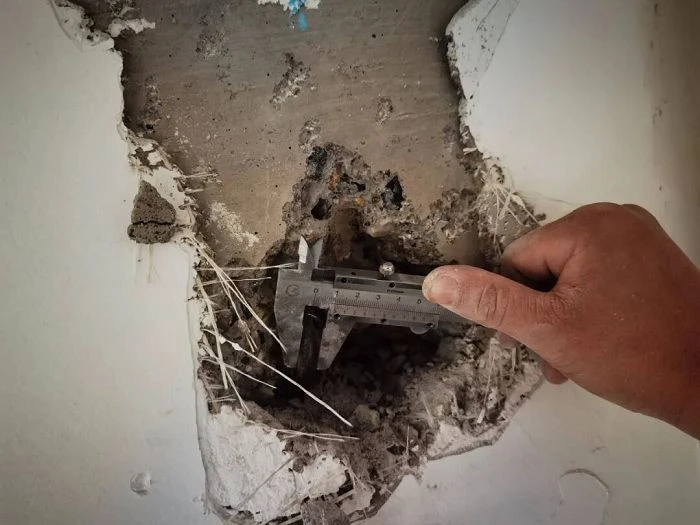
Geometric dimension detection: Verify the actual dimensions (length, width, height, thickness) of the building's total height, number of floors, axis dimensions, and components (beams, columns, walls, floors, foundations) to verify deviations from the design values;
Appearance quality and damage detection: comprehensively inspect component cracks (location, direction, width, length, depth), deformation (deflection, inclination, settlement), corrosion (steel reinforcement corrosion, steel structure corrosion, masonry alkali cracking), looseness, corner loss, exposed reinforcement, splicing defects, etc., take photos, mark and record the degree of damage;
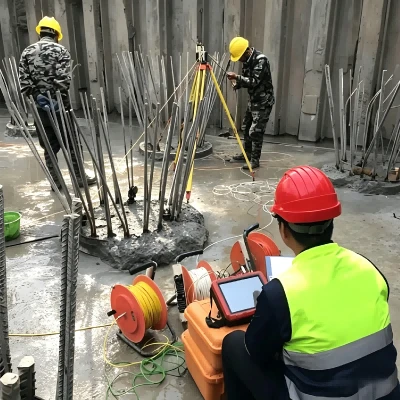
Overall tilt and settlement detection of houses: using level gauges, total stations, and inclinometers to detect, record the elevation and tilt rate of settlement points, analyze whether the settlement is uniform and whether the tilt exceeds the standard limit;
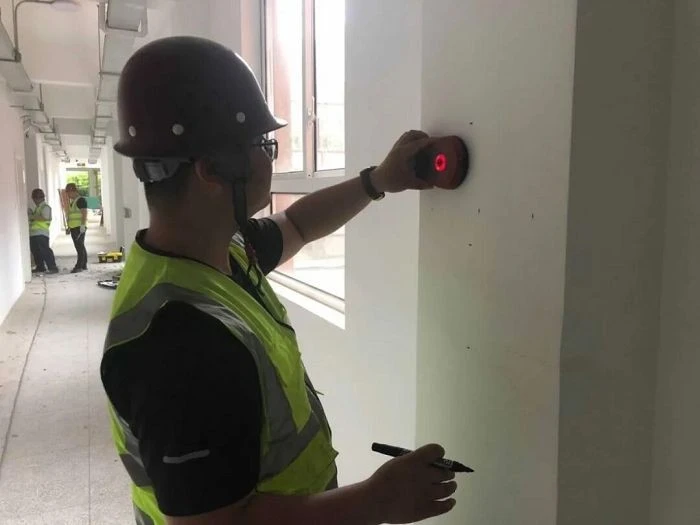
Material strength testing: Non destructive testing is mainly used (rebound method, ultrasonic rebound comprehensive method, Leeb hardness method), supplemented by micro damage testing (core drilling method, pull-out method), to test the actual strength of concrete, masonry, mortar, and steel, and verify whether they meet the design and usage requirements.
(3) Special testing items for each structural system (targeted testing according to the type of building structure)
Brick concrete structure: arrangement of wall tie bars (location, quantity, burial depth), setting of structural columns/ring beams and concrete strength, overlap length of prefabricated slabs, reliability of roof truss node connections
Framework structure: concrete strength in the core area of beam column nodes, reinforcement configuration (number, diameter, spacing), deviation of beam column axis, deflection of components, connection between frame infill walls and the main body
Shear Wall Structure: Shear Wall Thickness, Reinforcement Configuration (Distributed Reinforcement, Hidden Column Reinforcement), Wall Cracks (Horizontal/Vertical/Diagonal), Coupling Beam Deformation and Cracks, Foundation Raft Thickness
Steel structure: steel grade review, weld quality (ultrasonic/radiographic testing), bolt connection (torque testing, looseness), component deformation (deflection, side bending), anti-corrosion coating thickness, fire protection layer integrity
Wooden structure: wood material grade, node connections (mortise and tenon, bolts, iron parts), degree of wood decay/insect infestation/cracking, component deflection, fire and anti-corrosion treatment effect
Masonry structure: brick/block strength, mortar fullness, wall verticality, joint condition, core/structural column setting, beam bearing capacity review
(4) Calculation and analysis of structural bearing capacity
Based on the actual material strength, component size, and steel reinforcement configuration obtained from on-site testing, combined with the current load (dead load+live load) of the building, professional structural calculation software (such as PKPM, YJK) is used for verification:
Load calculation: Verify the actual values of dead load (structural self weight, decoration layer) and live load (crowd, equipment, roof snow/wind load), and take values according to current specifications;
Component bearing capacity verification: For key components such as beams, columns, walls, floors, foundations, etc., verify their bending, shear, compression, and tensile bearing capacities to determine whether they meet the bearing requirements;
Analysis of overall structural stability: Verify the anti overturning, anti sliding, and seismic bearing capacity of the building (required in seismic fortification areas), analyze the rationality of the structural system, and the reliability of node connections;
Analysis of hidden danger causes: Based on geological conditions, usage, and construction quality, analyze the causes of cracks, deformations, settlements, and other issues discovered during testing (such as uneven settlement of the foundation, excessive load, insufficient material strength, structural design defects, etc.).
(5) Evaluation and Conclusion Suggestions for Building Safety Level
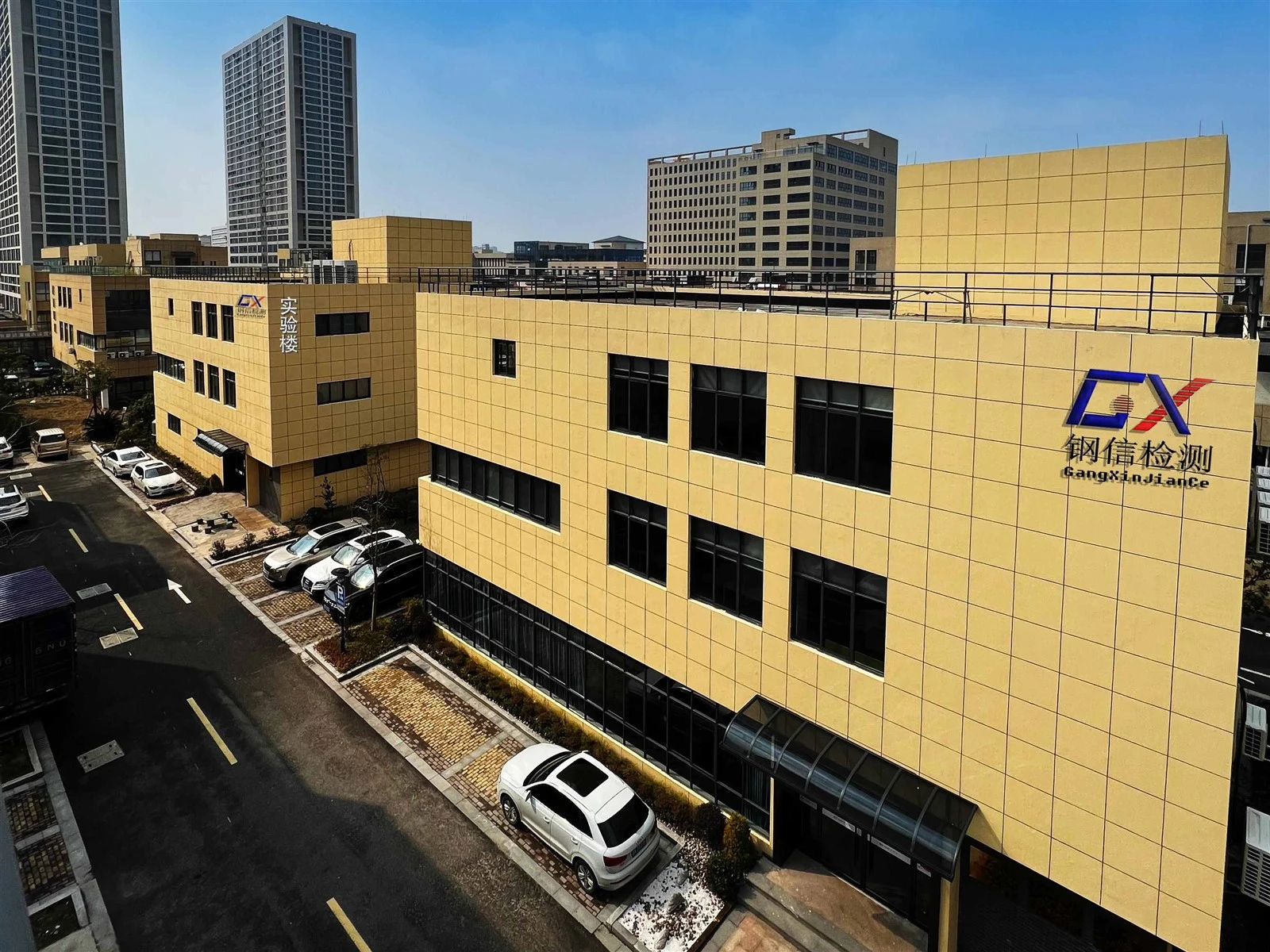
was established in 2011. As a national high-tech enterprise recognized by the Zhejiang Provincial Higher People's Court as a judicial authentication institution for construction engineering quality, we specialize in structural performance testing and safety assessment of construction projects, special equipment, communication towers, electromagnetic environments, large bridges, and building safety appraisal.
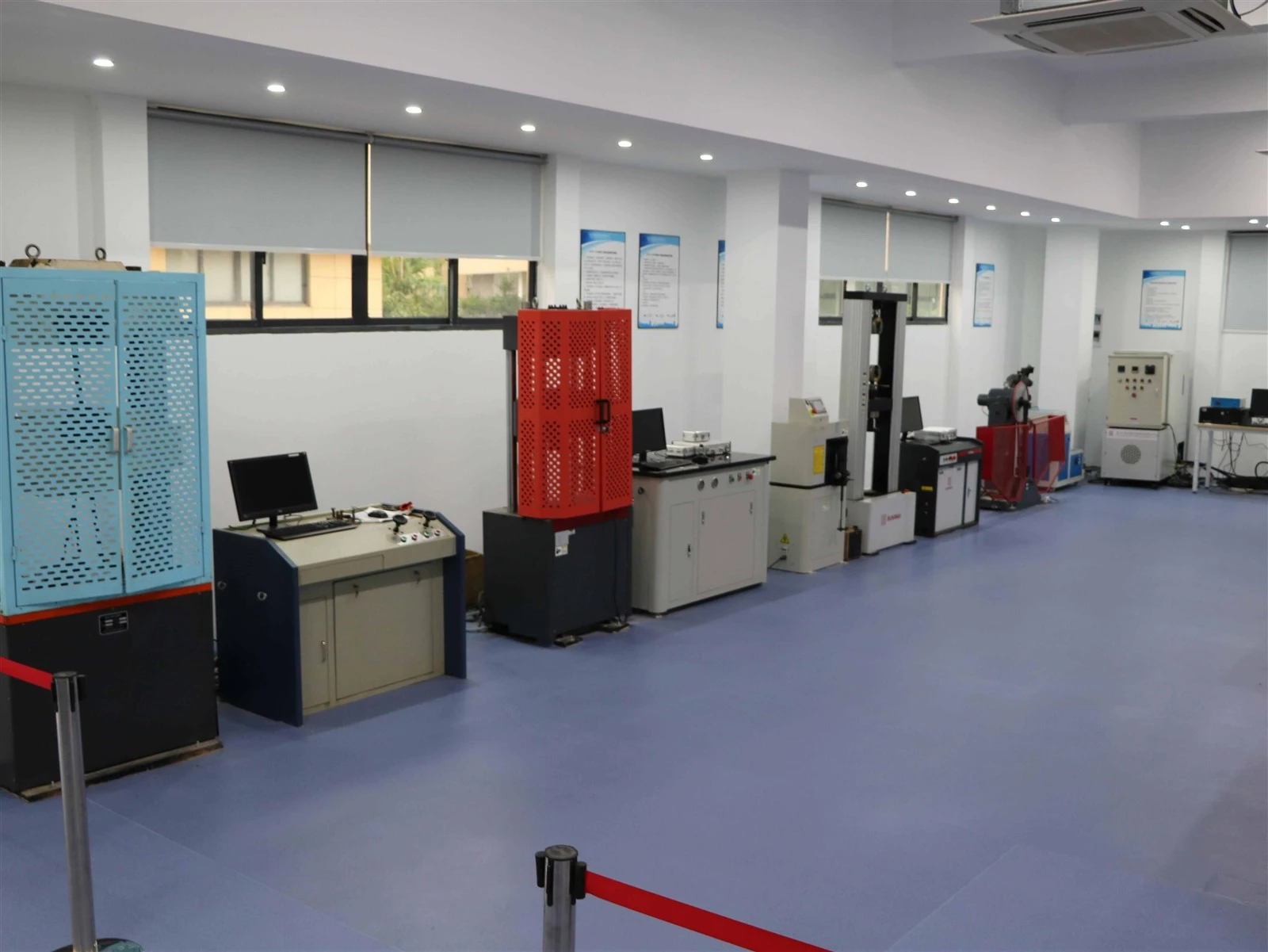
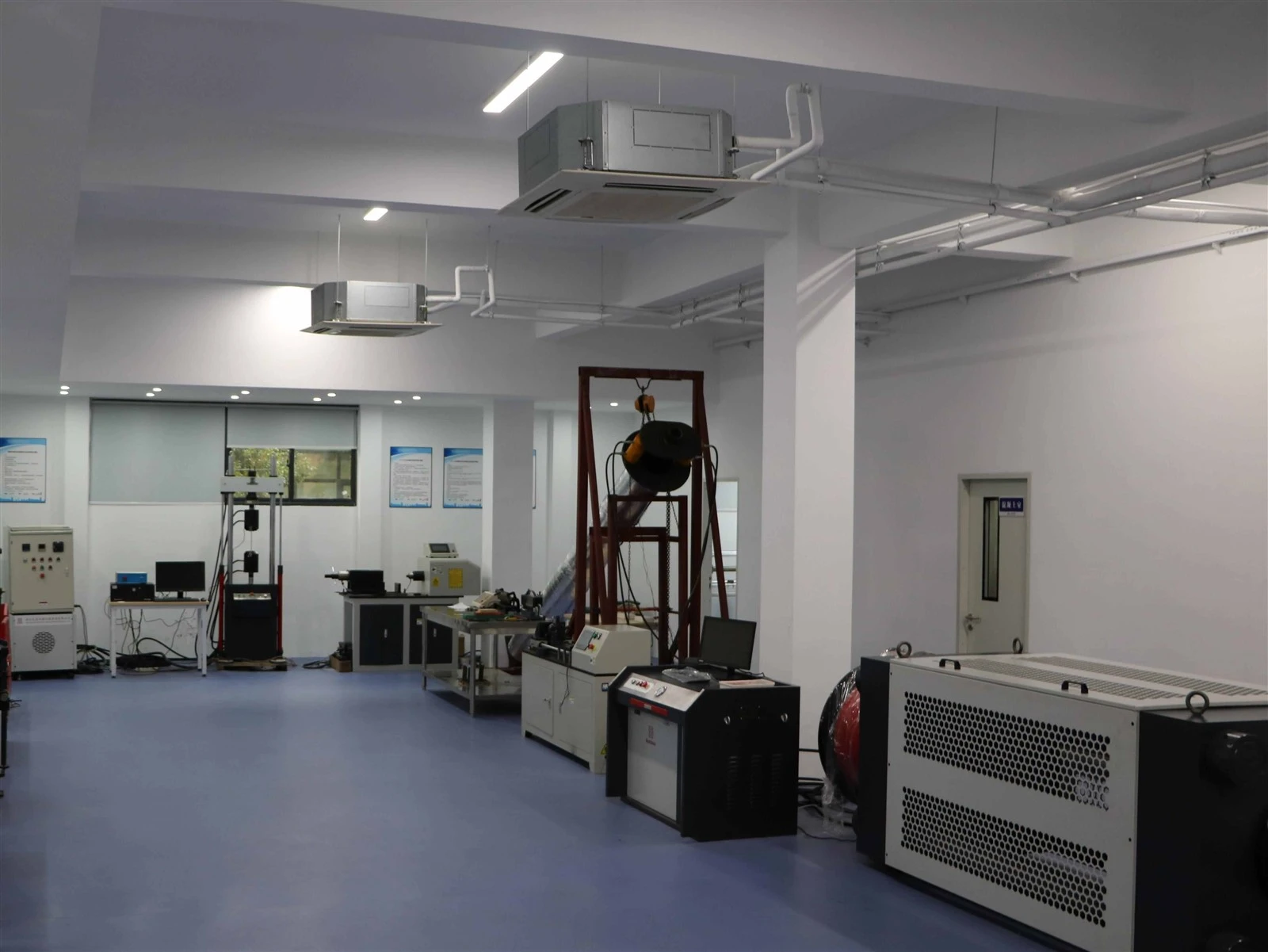
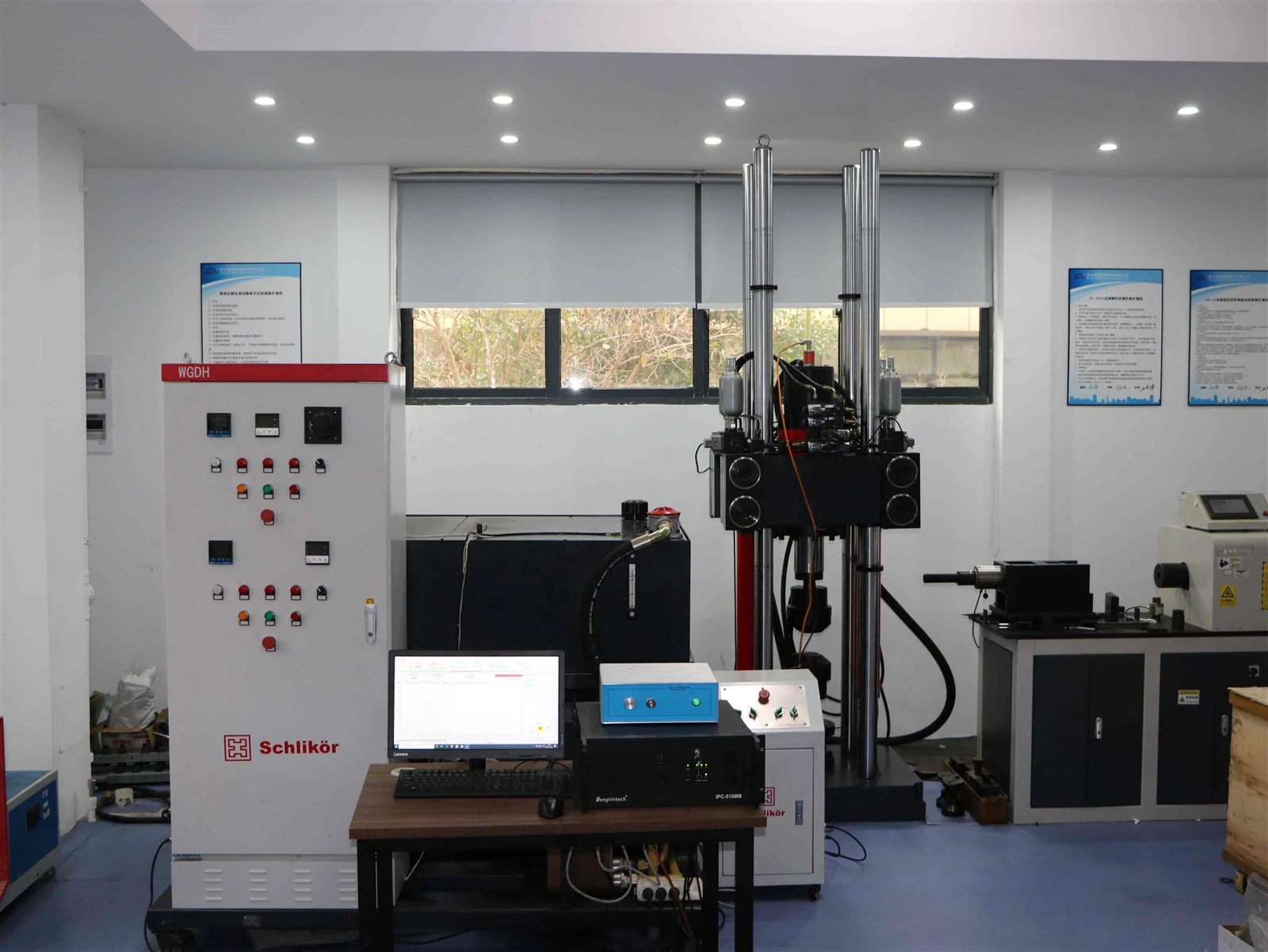
The company has more than 100 professional and technical personnel, over 90% of whom hold various medium and senior technical certificates. Equipped with complete testing equipment worth over RMB 10 million, our business scope covers the whole country.
No Information