

Multi Wedge Belt Detection
Applicable materials: Suitable for multi ribbed belts made of chloroprene rubber (CR), hydrogenated nitrile rubber (HNBR), ethylene propylene diene monomer (EPDM), polyurethane (PU) and other materials, including aramid fiber, polyester rope, glass fiber and other reinforced skeleton materials.
- Fast Delievery
- Quality Assurance
- 24/7 Customer Service
Product Introduction

Detection range
Applicable materials: Suitable for multi ribbed belts made of chloroprene rubber (CR), hydrogenated nitrile rubber (HNBR), ethylene propylene diene monomer (EPDM), polyurethane (PU) and other materials, including aramid fiber, polyester rope, glass fiber and other reinforced skeleton materials.
Applicable products: covering various specifications and models of industrial multi wedge belts (PH, PJ, PK, PL, PM types), automotive multi wedge belts (PK type mainly), elastic multi wedge belts, high-speed multi wedge belts, agricultural machinery special multi wedge belts, treadmill multi wedge belts, drum multi wedge belts, etc; Including different structural types of products such as wrapped fabric, cut edge, and toothed multi wedge belt.
Applicable scenarios: Used for raw material incoming inspection, finished product factory acceptance, performance verification, life evaluation, quality arbitration, and failure analysis; Suitable for quality control and performance evaluation of multi wedge belts in automotive engine accessory transmission systems, industrial machinery equipment transmission, agricultural machinery, fitness equipment, household appliances and other fields.
Applicable specifications: covering various types of multi wedge belts with a bandwidth of 10mm~100mm, a belt length of 500mm~5000mm, and a wedge count of 3~36, suitable for different pulley systems and transmission requirements.
Testing items
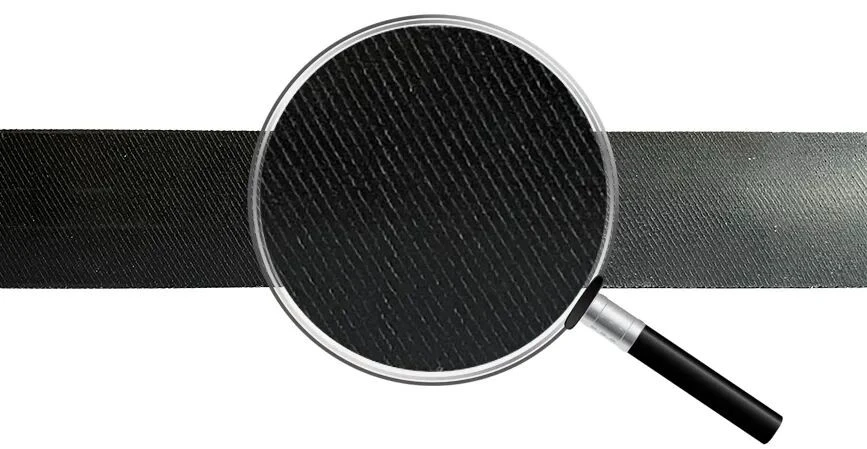
Appearance and identification inspection: Check the surface flatness, color uniformity, and whether there are defects such as bubbles, cracks, burrs, delamination, missing glue, and exposed lines; Verify the integrity of the nameplate identification (model, specifications, material, manufacturing unit, production date, etc.).
Dimensional accuracy testing: measure key dimensions such as bandwidth, thickness, wedge distance, wedge height, wedge angle, effective length, and reference length; Evaluate dimensional deviations, wedge accuracy, edge neatness, and thickness consistency to ensure compatibility with the pulley system.
Mechanical performance testing: tensile strength (maximum tensile strength before fracture), elongation at break (proportion of tensile deformation), tensile stress (stress value at specific elongation), permanent deformation rate (residual deformation after unloading), Shore hardness (A/D type), longitudinal flexibility (bending fatigue performance), flexural fatigue life (number of damage cycles under bending), wear resistance (volume loss in rotary wear test).
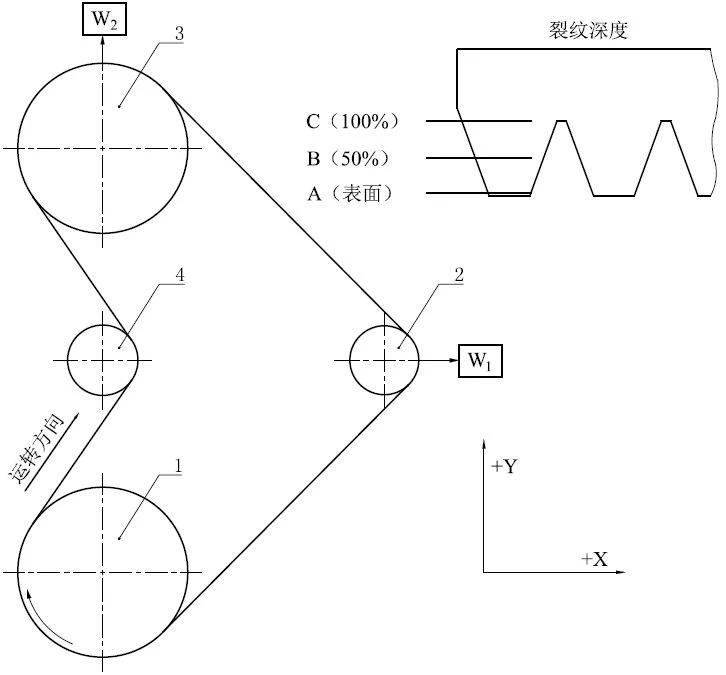
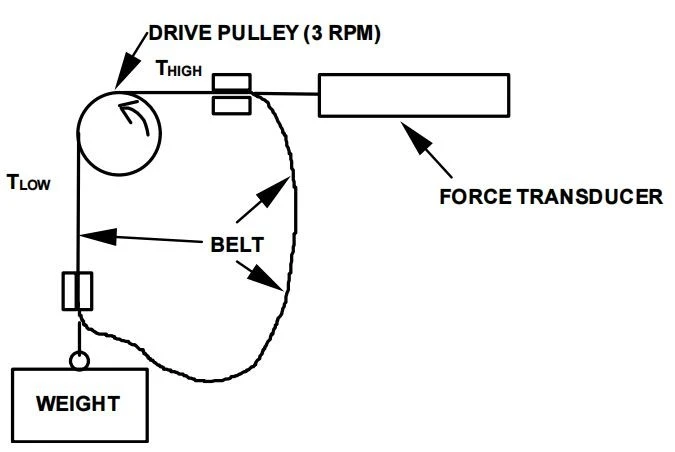
Transmission performance testing: transmission torque capability (maximum transmission torque without damaging the belt), transmission efficiency (input-output power ratio), tension characteristics (tension changes under different working conditions), wheel system misalignment adaptability (operational stability under shaft deviation).
Durability and aging performance testing: high temperature constant tension life (continuous operating life at 120 ℃), hot air aging (performance degradation rate at 70 ℃/100 ℃), ozone aging (cracking and performance changes), high and low temperature resistance (flexibility and functional maintenance at -40 ℃~120 ℃), high and low temperature cycling testing (simulating extreme temperature changes), pollution testing (performance changes after contact with oil/dust).
Special performance testing: noise testing (noise level under normal operation and misalignment conditions), anti pilling performance (surface fiber anti pilling ability), anti-static performance (surface resistance value), flame retardant performance (vertical/horizontal combustion test), oil resistance (performance changes after contact with mineral oil/synthetic oil).
Adhesive performance testing: bonding strength between core wire and rubber (peel test), bonding reliability between cover layer and bottom layer, and assessment of delamination risk.

Testing standards
GB/T 16588-2009 Dimensions of PH, PJ, PK, PL, and PM types of multi ribbed belts and pulleys for industrial use in belt drives
GB/T 33206-2025 Performance Test Method for Automotive Multi Wedge Belts
GB/T 3686-2014 Test method for tensile strength and elongation of V-belts and V-belts with belt drives
GB/T 13352-2008 Measurement methods for dimensions of V-belts and V-belts in automobiles
QC/T 557-2020 Performance Requirements and Test Methods for Automotive Multi Wedge Belts
JB/T 5983-2017 Design Method for Multi Wedge Belt Transmission
ISO 9981 Belt Transmission - Multi Wedge Belts and their Wheel Systems for Automobiles
ISO 12046:2018 Belt Transmission Multi Wedge Belt Fatigue Test
SAE J2432 Automotive PK Multi Wedge Belt Performance Test Method
ASTM D3395 Rubber Wedge Strip Dimensional Measurement Method
ASTM D378 Standard Test Method for Rubber Transmission Belts
ASTM D412 Rubber Performance Standard Test Method - Tensile
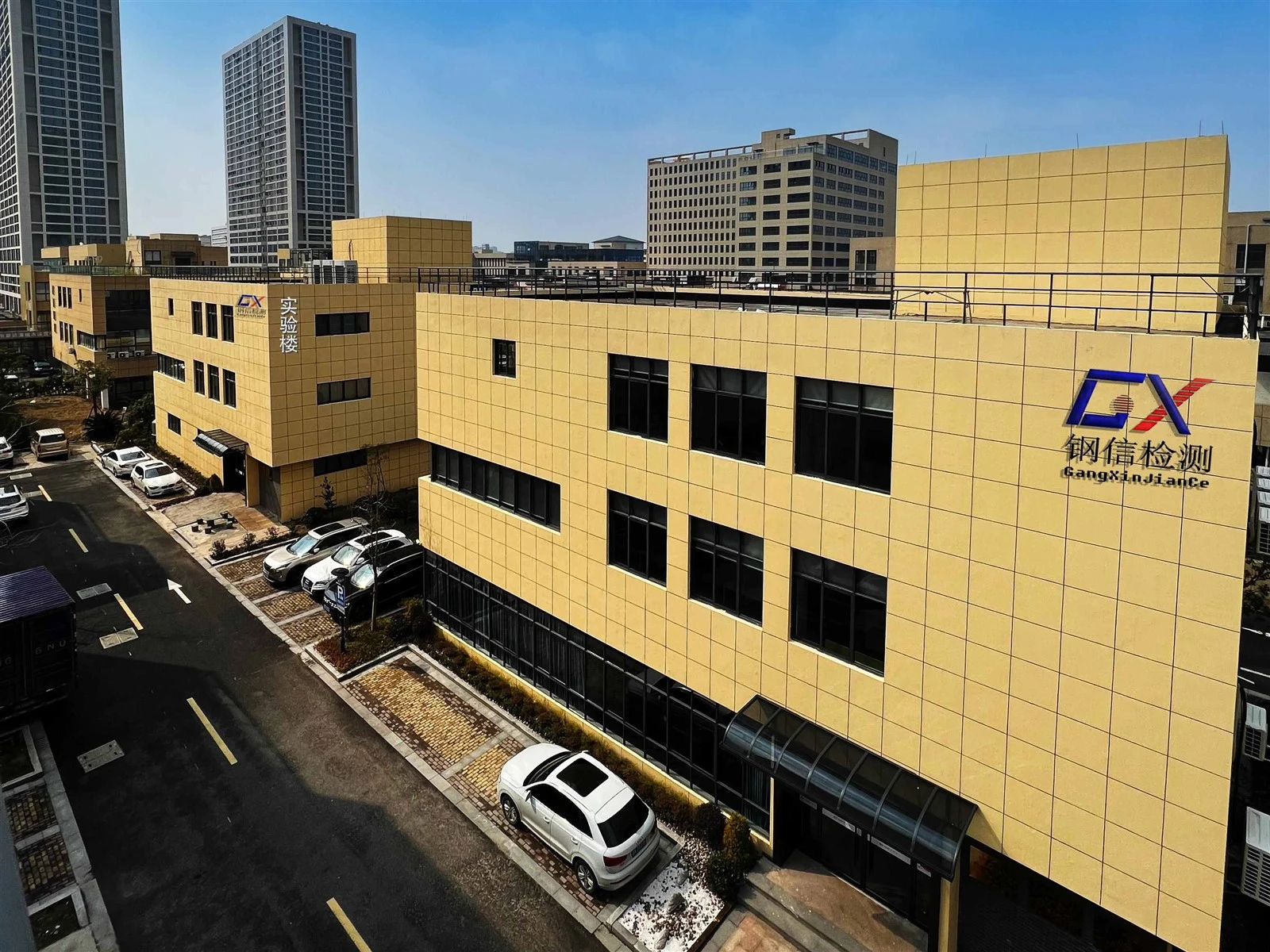
was established in 2011. As a national high-tech enterprise recognized by the Zhejiang Provincial Higher People's Court as a judicial authentication institution for construction engineering quality, we specialize in structural performance testing and safety assessment of construction projects, special equipment, communication towers, electromagnetic environments, large bridges, and building safety appraisal.
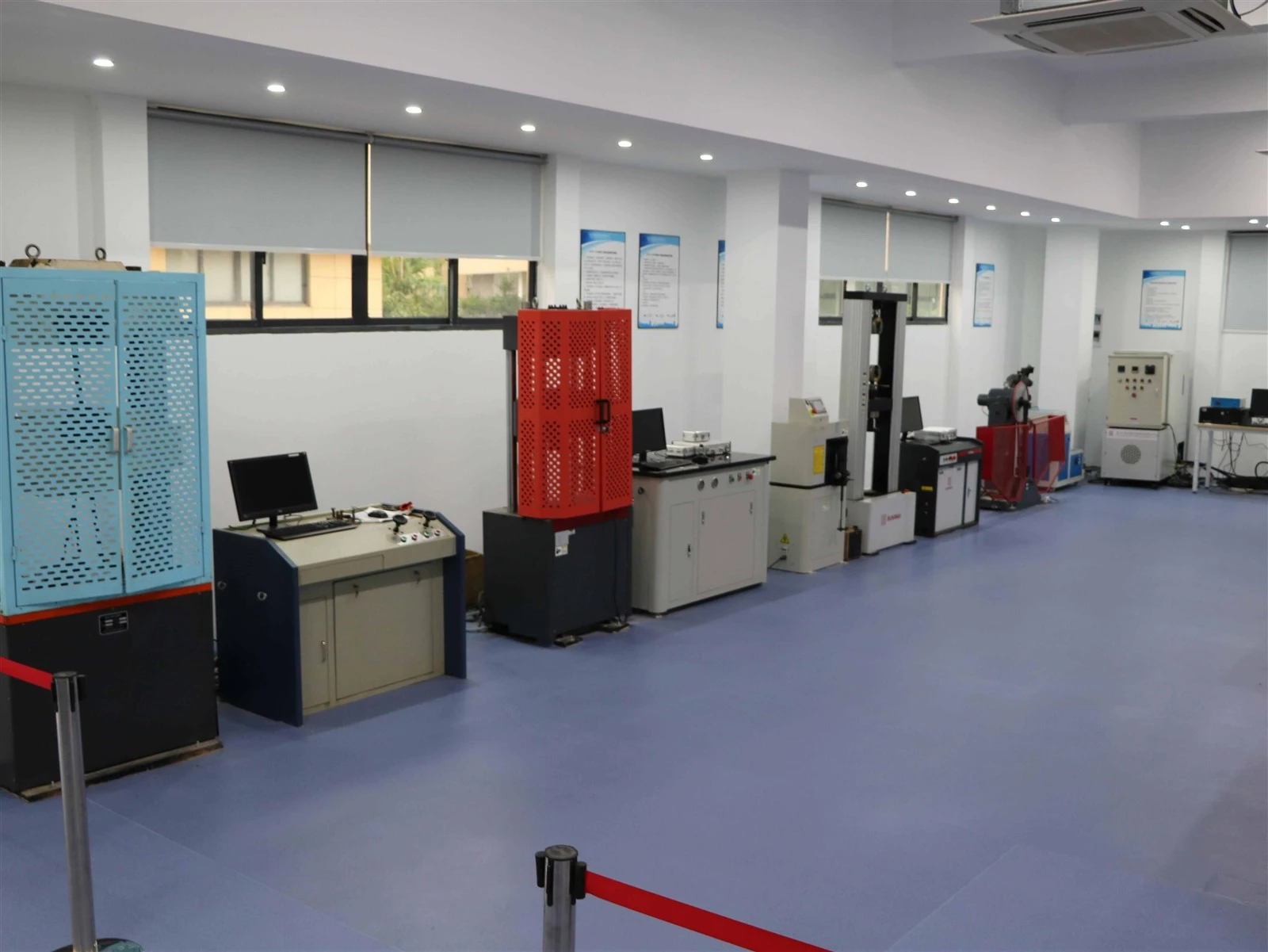
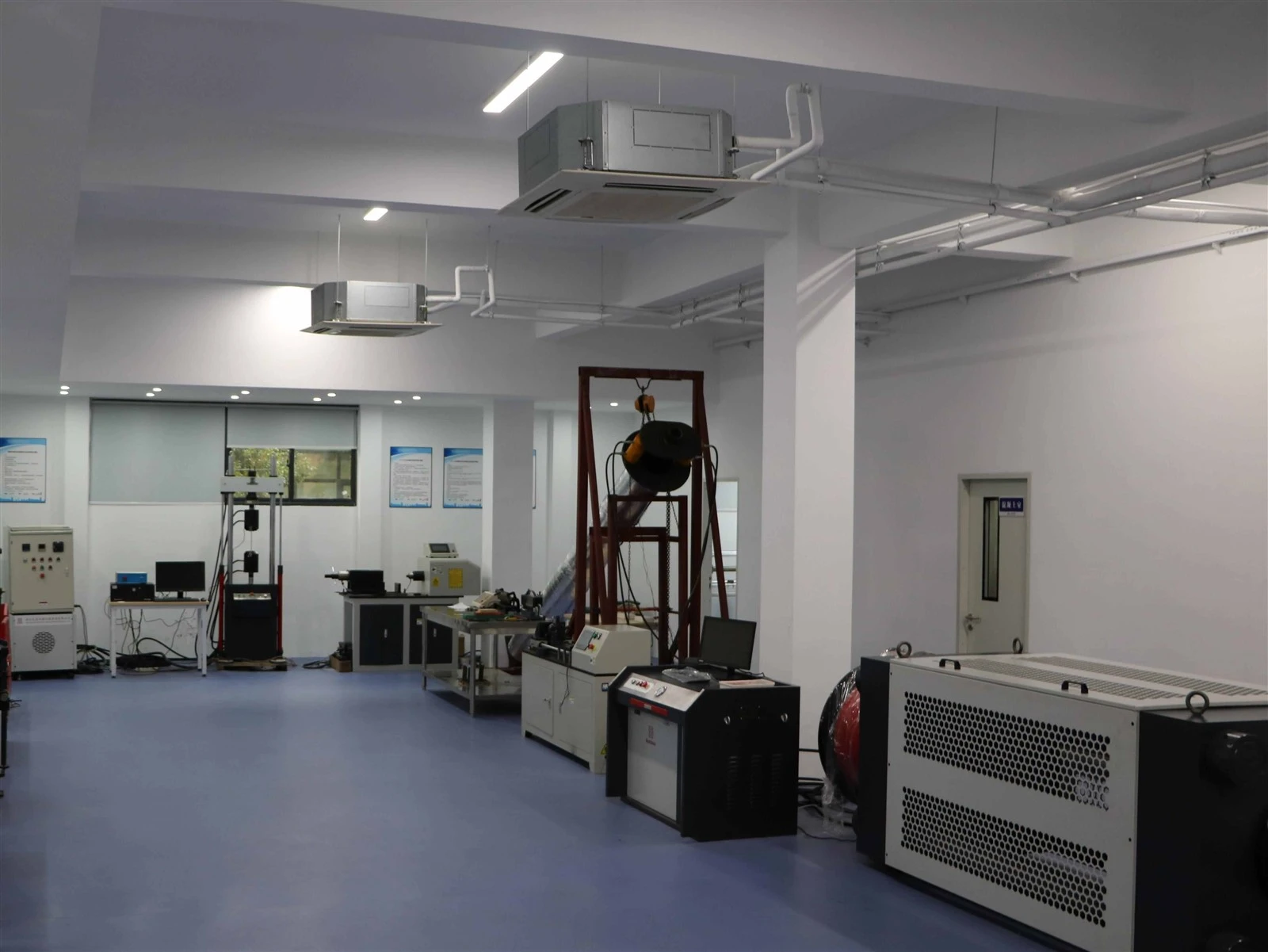
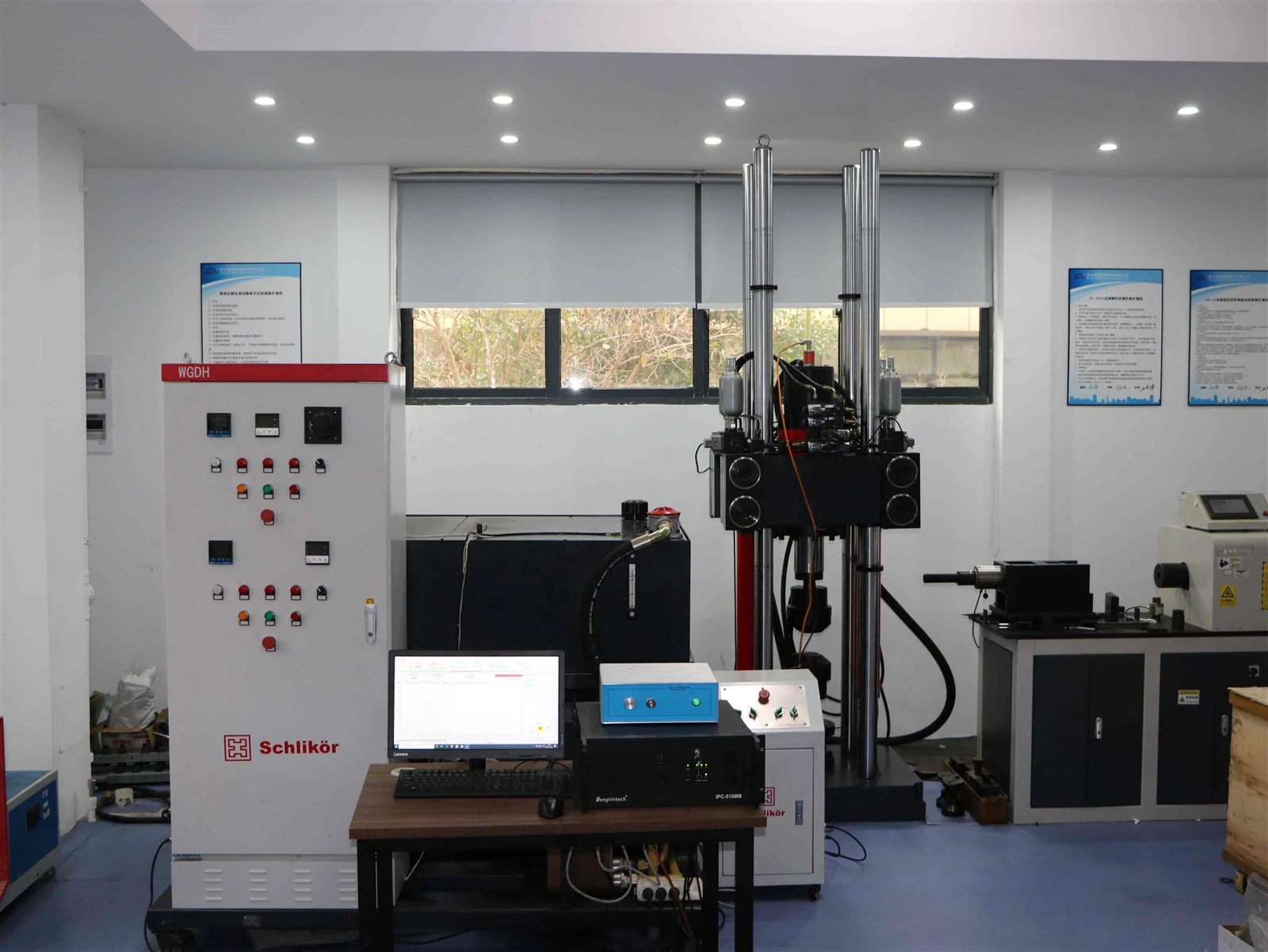
The company has more than 100 professional and technical personnel, over 90% of whom hold various medium and senior technical certificates. Equipped with complete testing equipment worth over RMB 10 million, our business scope covers the whole country.