


Thermal Insulation Material Testing
Inorganic fiber insulation materials, organic foam insulation materials, composite insulation materials, flexible insulation materials, reflective insulation materials, rigid insulation materials, special insulation materials, rock wool products, glass wool products.
- Fast Delievery
- Quality Assurance
- 24/7 Customer Service
Product Introduction

Testing Scope
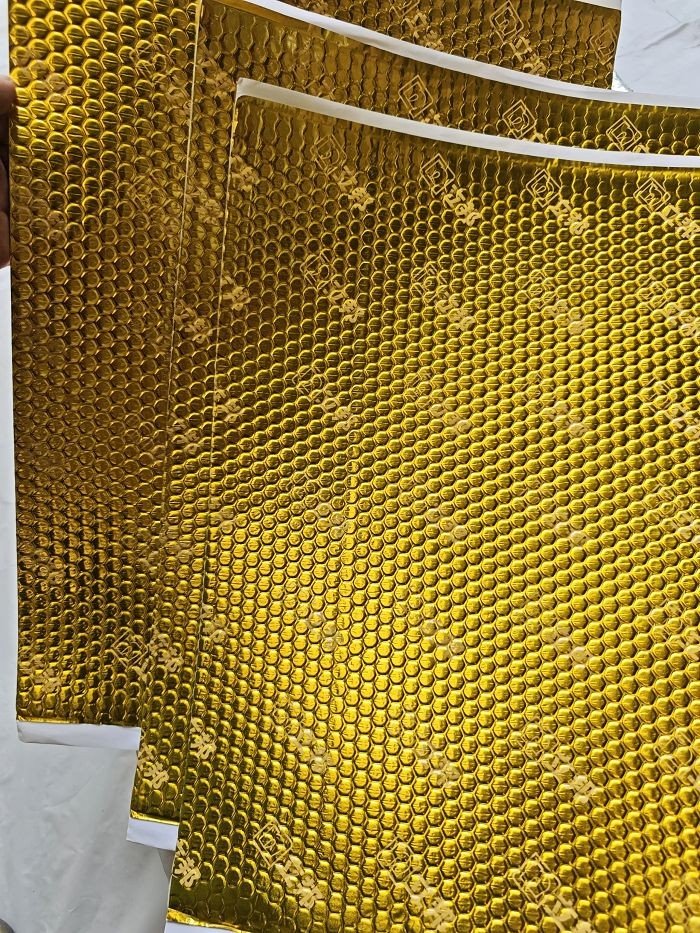
Inorganic fiber insulation materials, organic foam insulation materials, composite insulation materials, flexible insulation materials, reflective insulation materials, rigid insulation materials, special insulation materials, rock wool products, glass wool products, aluminum silicate fiber products, molded polystyrene foam (EPS), extruded polystyrene foam (XPS), polyurethane rigid foam (PU), phenolic foam (PF), metal surface sandwich panel, polyurethane rigid foam composite panel, vacuum insulation panel (VIP), aerogel composite materials, flexible foam rubber, glass wool felt, rock wool felt, reflective insulation coating, aluminum foil insulation coiled materials, radiation insulation film, aerated concrete, foam concrete, microporous calcium silicate products, inorganic light aggregate insulation board, adhesive powder polyphenylene particle insulation mortar, vitrified bead insulation mortar, foam glass
Test Item
(1)Core indicators of thermal performance
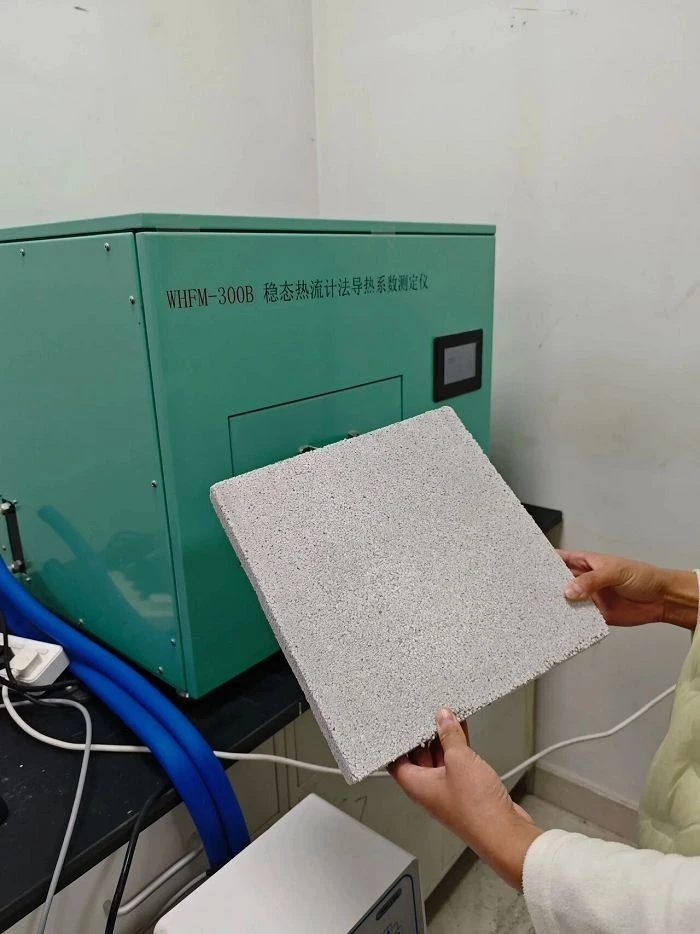
Thermal conductivity: The inherent heat transfer capacity of a material, measured in W/(m · K), the lower the better
Insulation material ≤ 0.040 W/(m · K), high-efficiency insulation ≤ 0.030 W/(m · K)
Testing methods: Protective hot plate method (GB/T 10294), heat flow meter method , testing conditions: 23 ± 2 ℃, humidity 50 ± 5%
Thermal resistance: the ability of a material layer to resist heat flow, measured in m ² · K/W, the larger the better
Calculation formula: R=δ/λ (where δ is the material thickness and λ is the thermal conductivity)
Thermal Storage Coefficient: The material's ability to store heat, measured in W/(m ² · K), affects the thermal stability of the enclosure structure
Thermal diffusivity: the rate of temperature change of the material, measured in m ²/s, reflecting the response speed of the insulation material

(2) Physical and mechanical performance indicators
Density/Mass per Unit Area: Control material usage and structural load, with insulation materials typically ≤ 100 kg/m ³
Compressive strength: ability to withstand pressure, building insulation material ≥ 100 kPa, roof insulation ≥ 200 kPa
Tensile strength: resistance to stretching, sheet ≥ 100 kPa, coil ≥ 150 N/50mm
Fracture elongation: Flexible material ≥ 50%, ensuring no cracking during construction and use
Dimensional stability: Under the condition of 70 ℃ × 48h, the deformation rate is ≤ 1.0%, ensuring that the dimensions remain unchanged for long-term use
Moisture content: ≤ 5%, to avoid moisture affecting thermal conductivity and durability
Water absorption rate: Volume method ≤ 5%, hydrophobic materials ≤ 2%, affecting the long-term thermal performance of the material
(3) Durability and special performance indicators
Combustion performance: According to GB 8624-2025 classification, building exterior wall insulation materials are ≥ A2 level, and thin plastering systems are ≥ B1 level
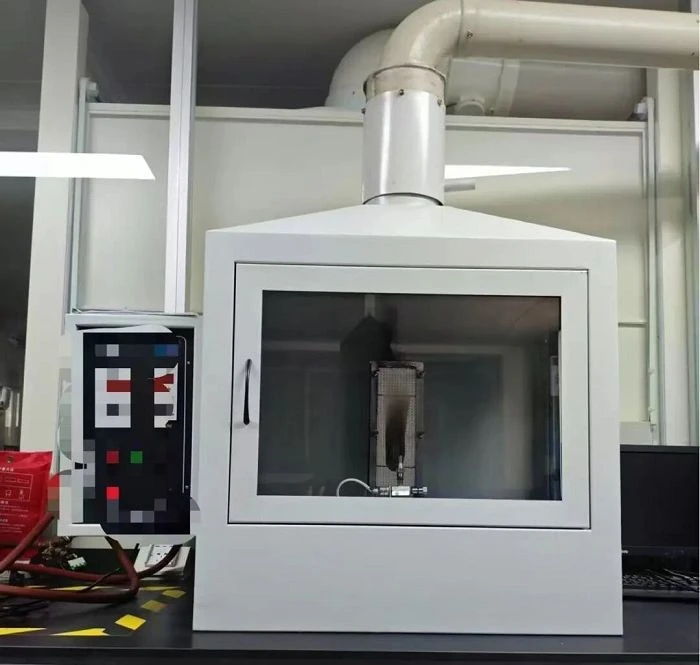
Key tests: Oxygen index (≥ 32% for B1 level), vertical combustion test, smoke density, combustion droplets
Weather resistance:
Thermal aging (80 ℃ × 168h): Performance retention rate ≥ 80%
Damp heat aging (70 ℃, 90% RH × 96h): strength loss ≤ 20%
Freeze thaw cycle (-20 ℃~20 ℃, 25 times): mass loss ≤ 5%, strength loss ≤ 15%
Bonding strength: The bonding strength with the base layer is ≥ 0.15 MPa, ensuring the stability of the insulation system
Impact resistance: Building external insulation ≥ 10 J, resistant to external impact without damage
Environmental performance: VOC ≤ 100 g/L, formaldehyde ≤ 0.1 g/kg, heavy metal limits comply with GB 30981
Acidity coefficient: Corrosion resistance index of inorganic fiber materials, rock wool ≥ 1.6, glass wool ≥ 1.8
(4) Performance indicators for construction and use
Machinability: ease of construction for cutting, drilling, pasting, etc
Hydrophobicity: The material has the ability to resist water penetration, with a hydrophobicity rate of ≥ 98% (GB/T 10299)
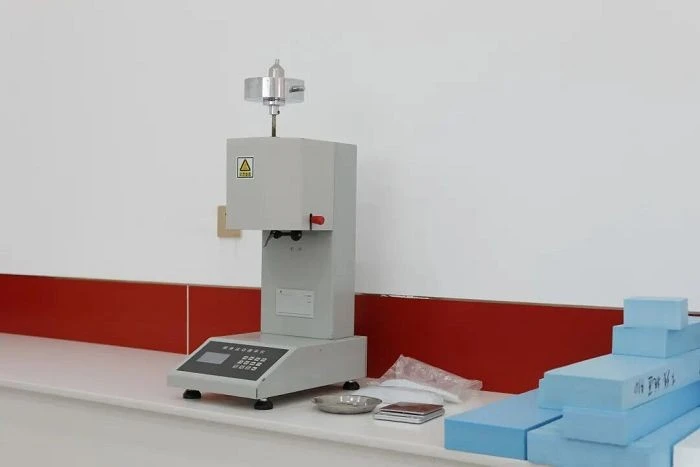
Solubility: key index of polystyrene foam material to ensure the integrity of the board
Frost resistance: Insulation materials used outdoors must undergo 25 freeze-thaw cycles without significant damage
Testing standard
GB/T 10294-2008 Determination of steady-state thermal resistance and related characteristics of insulation materials - Protective hot plate method
GB/T 10295-2008 Determination of steady-state thermal resistance and related characteristics of insulation materials - Heat flow meter method
GB/T 10299-2011 Test Method for Hydrophobicity of Thermal Insulation Materials
GB/T 8624-2025 Classification of Combustion Performance of Building Materials and Products
GB/T 8624-2012 Classification of Burning Behavior of Building Materials and Products
GB/T 30804-2014 Thermal insulation products for building use - Determination of long-term water absorption after immersion in water
GB/T 30805-2014 Determination of Compressive Properties of Thermal Insulation Products for Building Use
GB/T 30806-2014 Determination of Tensile Properties of Thermal Insulation Products for Building Use
GB/T 30808-2014 Determination of tensile bond strength of adhesives and plasters for building insulation products
GB/T 8813-2020 Determination of Compressive Properties of Rigid Cellular Plastics
GB/T 14402-2007 Combustion Performance of Building Materials and Products - Determination of Combustion Heat Value
GB/T 8627-2017 Test Method for Smoke Density of Building Materials during Combustion or Decomposition
GB/T 11835-2016 Rock wool, slag wool and their products for insulation
GB/T 17795-2019 Glass wool products for building insulation
GB/T 25975-2018 Rock wool products for external insulation of building exterior walls
GB/T 19686-2015 Rock wool insulation products for buildings
GB/T 13350-2017 Glass wool and its products for insulation
GB/T 10801.1-2021 Molded polystyrene foam (EPS) for thermal insulation
GB/T 10801.2-2021 Extruded polystyrene foam for thermal insulation (XPS)
GB/T 21558-2021 Polyurethane Insulation Products for Building Use
GB/T 17794-2021 Flexible foam Rubber Plastic Thermal Insulation Products
GB/T 20974-2014 Rigid phenolic foam products for thermal insulation (PF)
GB/T 23932-2021 Vacuum Insulated Panels for Buildings (VIP)
GB/T 23959-2021 Metal faced Insulated Sandwich Panels for Building Use
GB/T 34336-2017 Thermal insulation products for buildings Aerogel thermal insulation products
JG/T 314-2012 Polyurethane rigid foam composite insulation board
JG/T 536-2017 thermosetting composite polystyrene foam insulation board
JG/T 435-2014 General Technical Requirements for Inorganic Lightweight Aggregate Fireproof Insulation Board
JG/T 158-2013 Rubber powder polystyrene particle external wall insulation system material
JG/T 283-2010 Expanded vitrified microsphere thermal insulation mortar
GB/T 20473-2006 Building Insulation Mortar
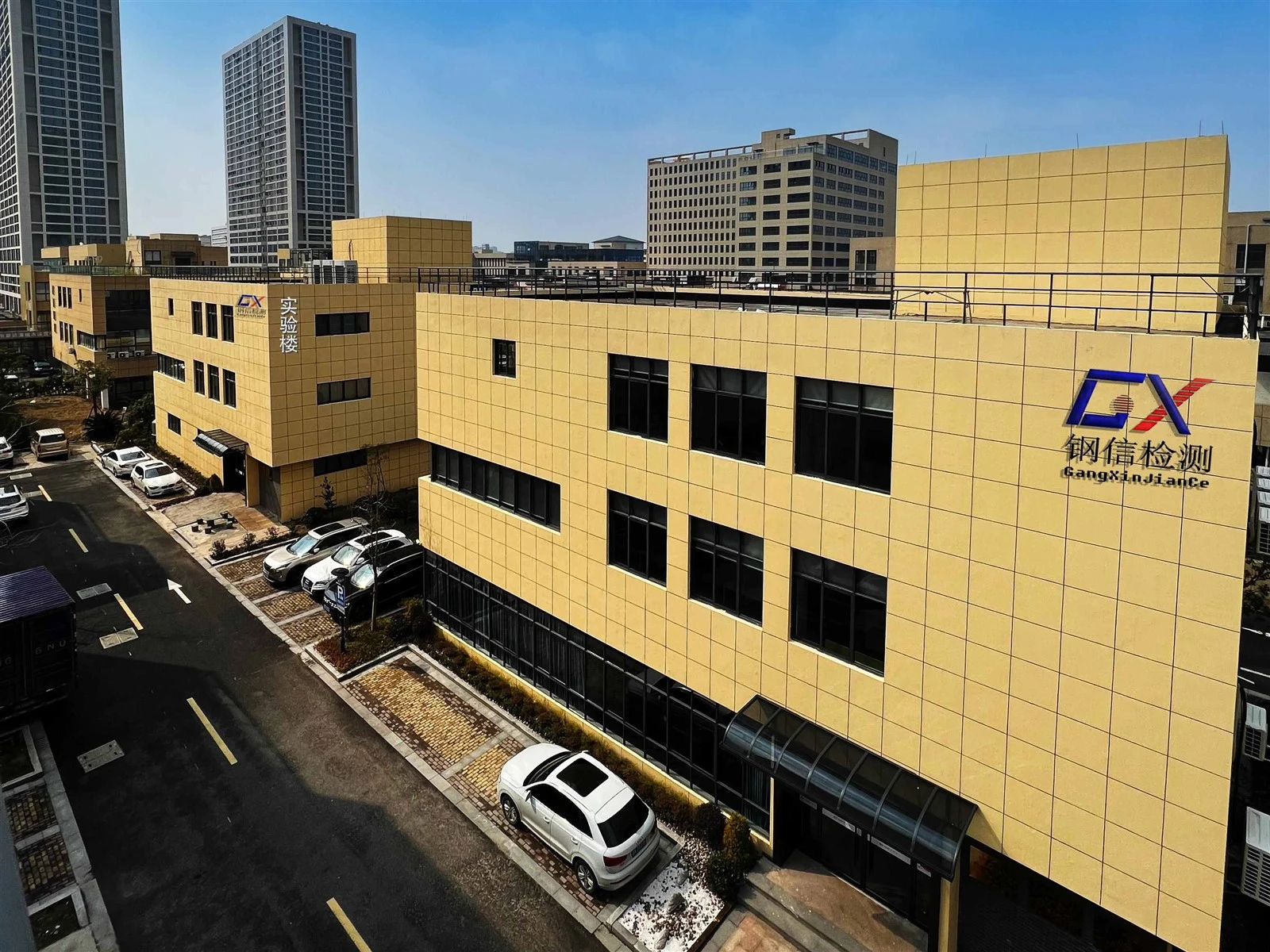
was established in 2011. As a national high-tech enterprise recognized by the Zhejiang Provincial Higher People's Court as a judicial authentication institution for construction engineering quality, we specialize in structural performance testing and safety assessment of construction projects, special equipment, communication towers, electromagnetic environments, large bridges, and building safety appraisal.
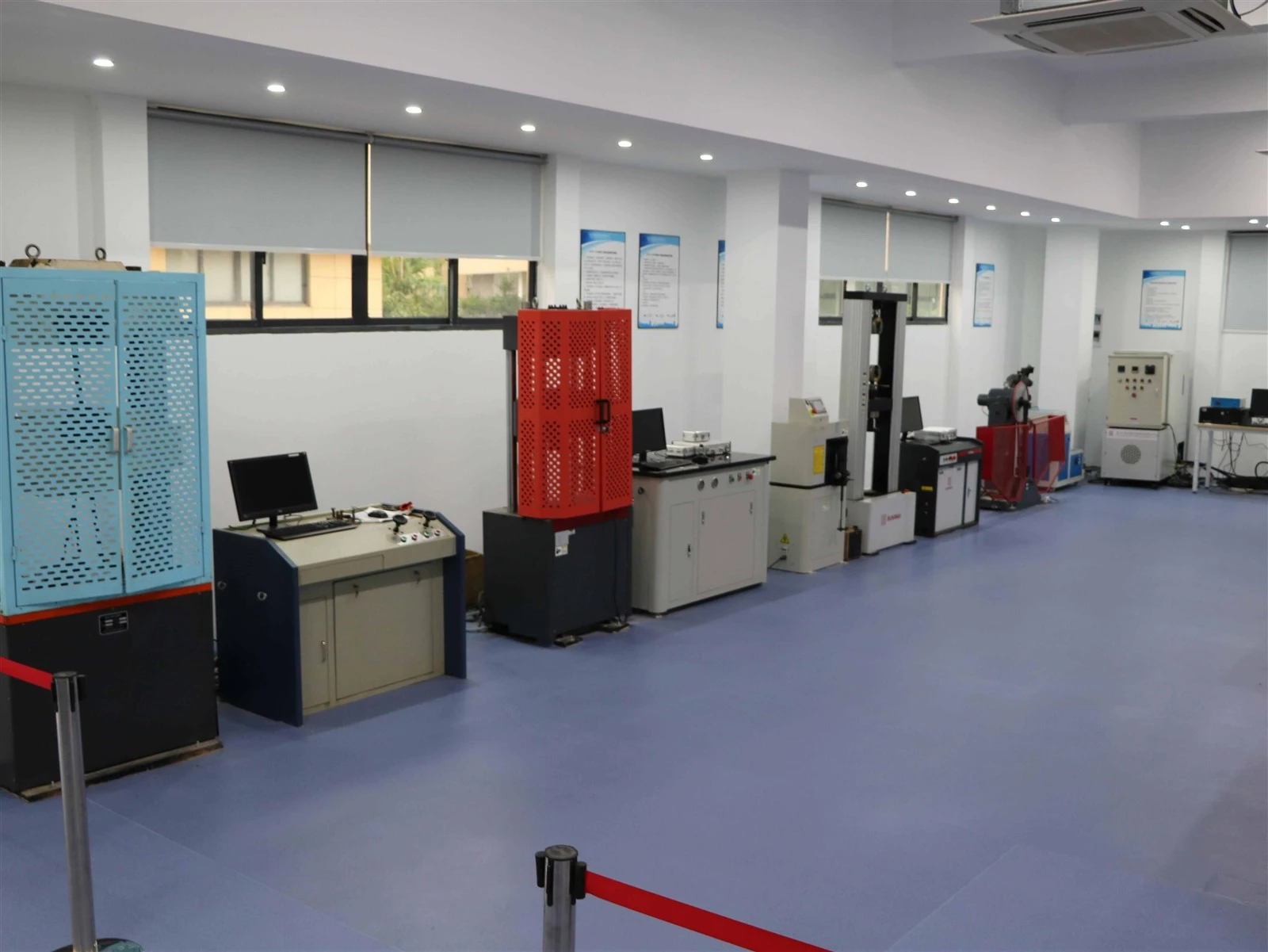
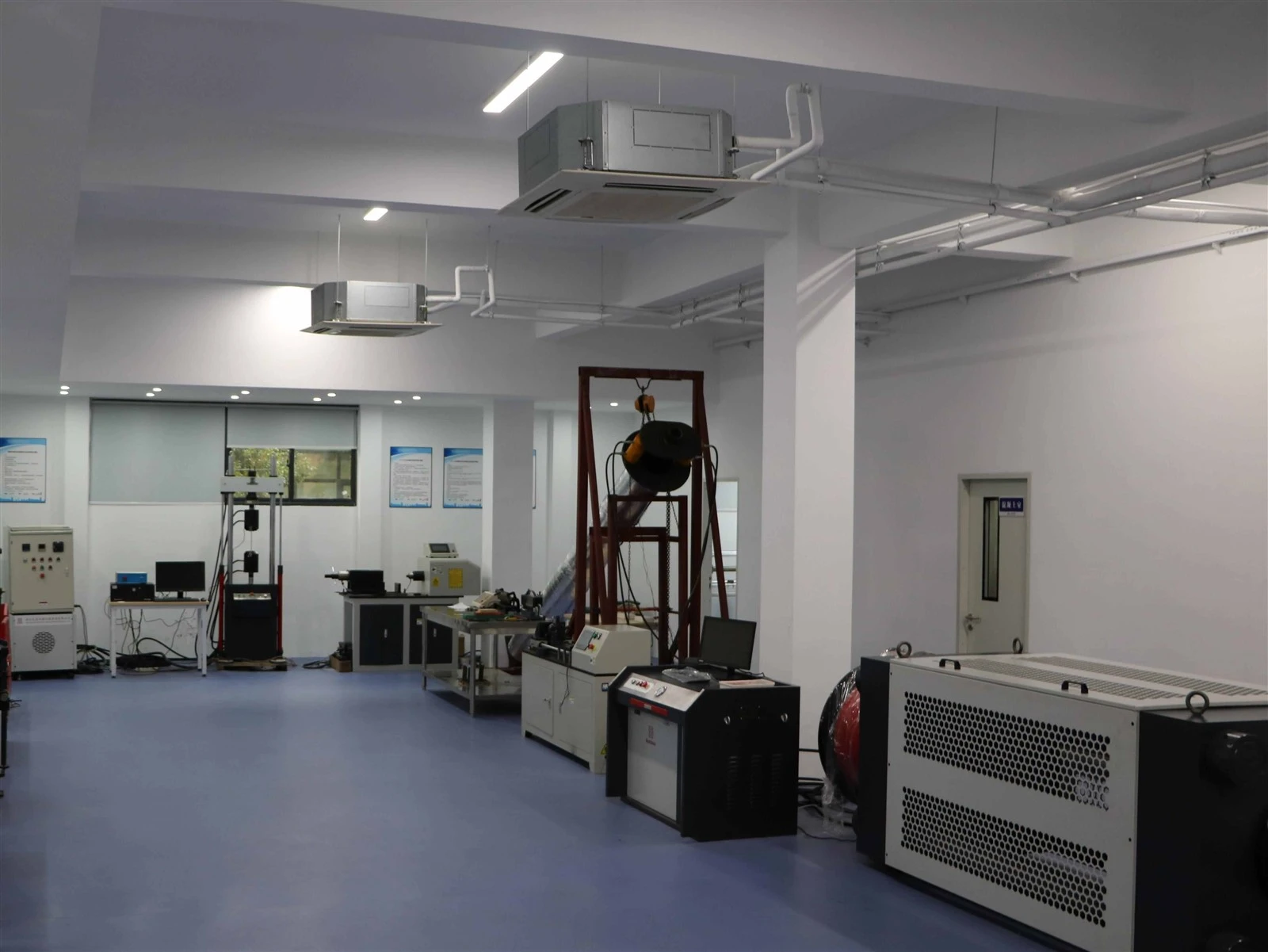
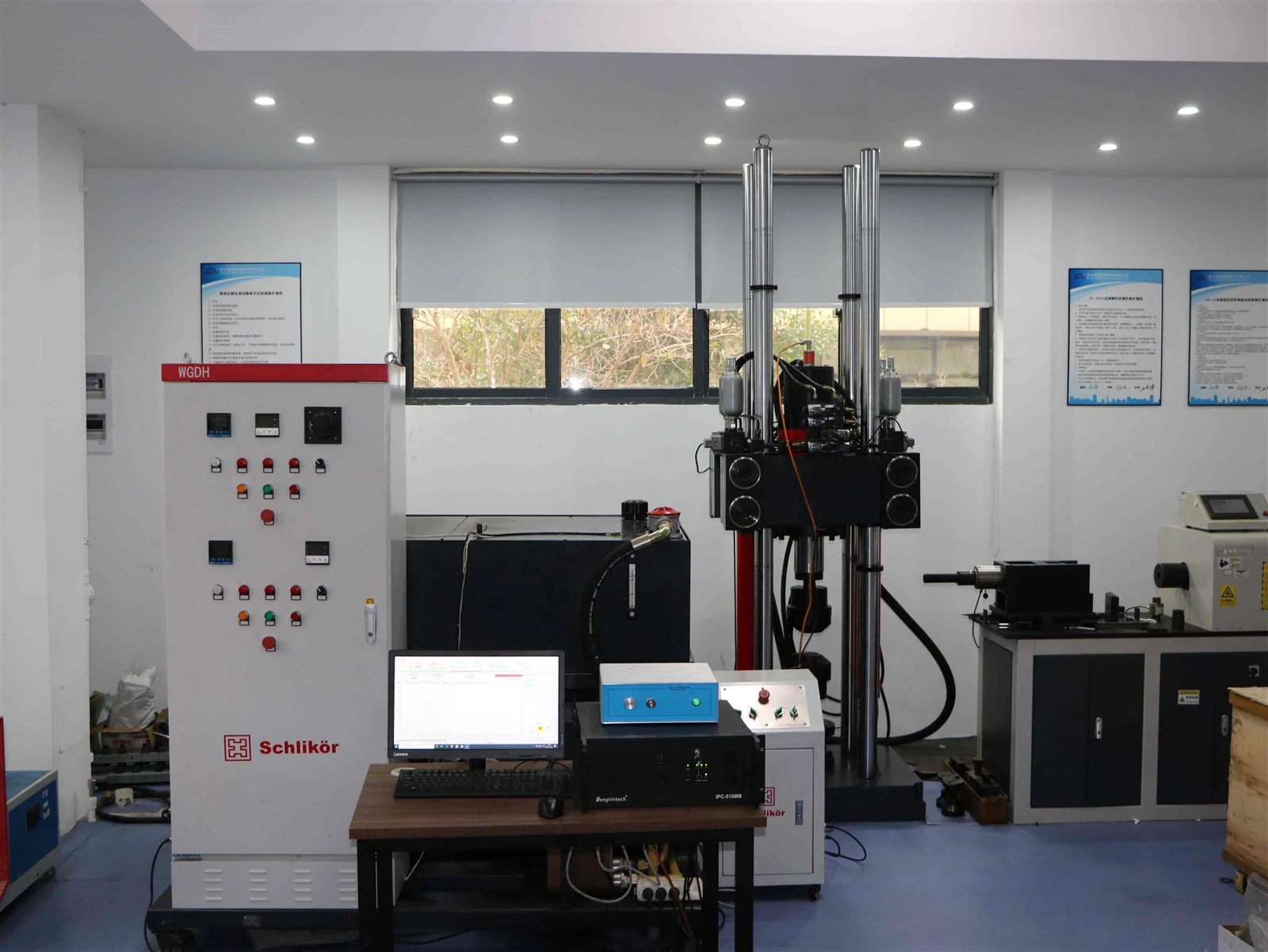
The company has more than 100 professional and technical personnel, over 90% of whom hold various medium and senior technical certificates. Equipped with complete testing equipment worth over RMB 10 million, our business scope covers the whole country.

No Information


