


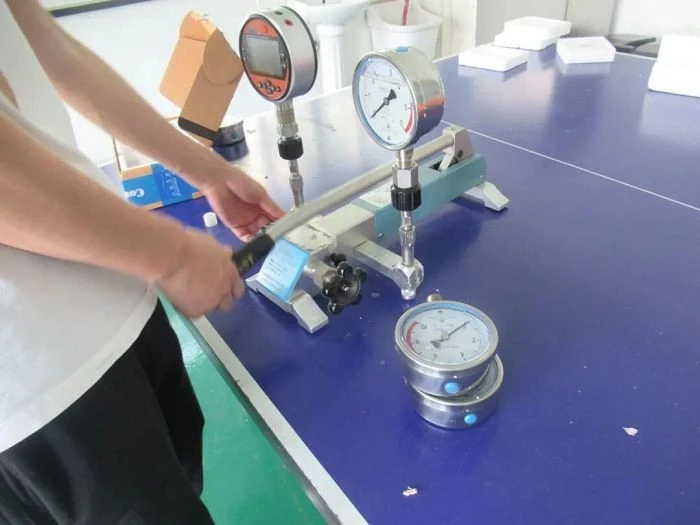
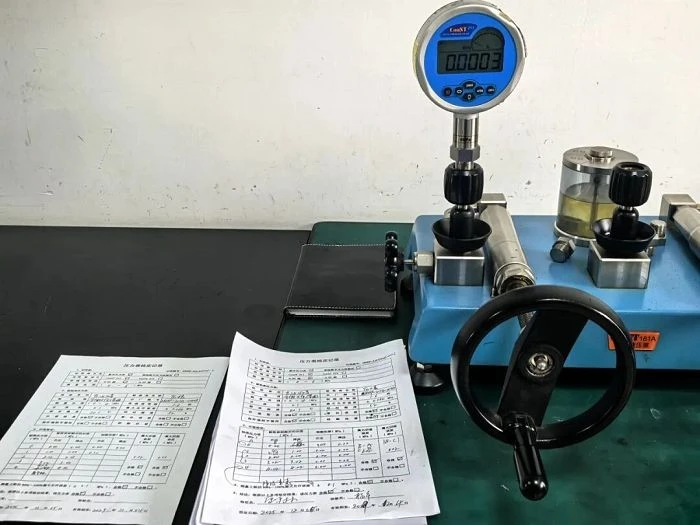
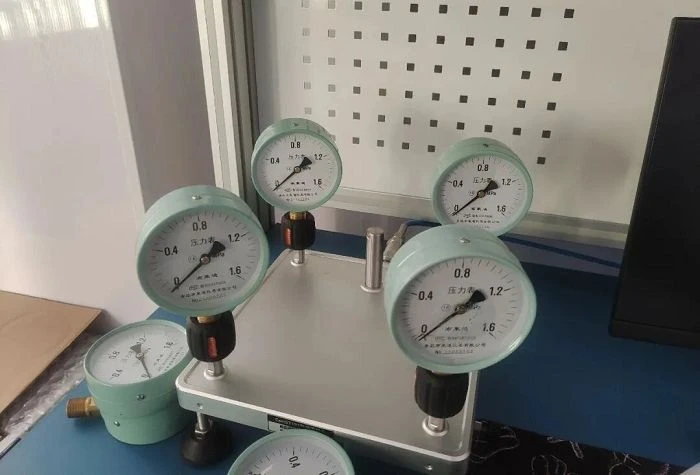
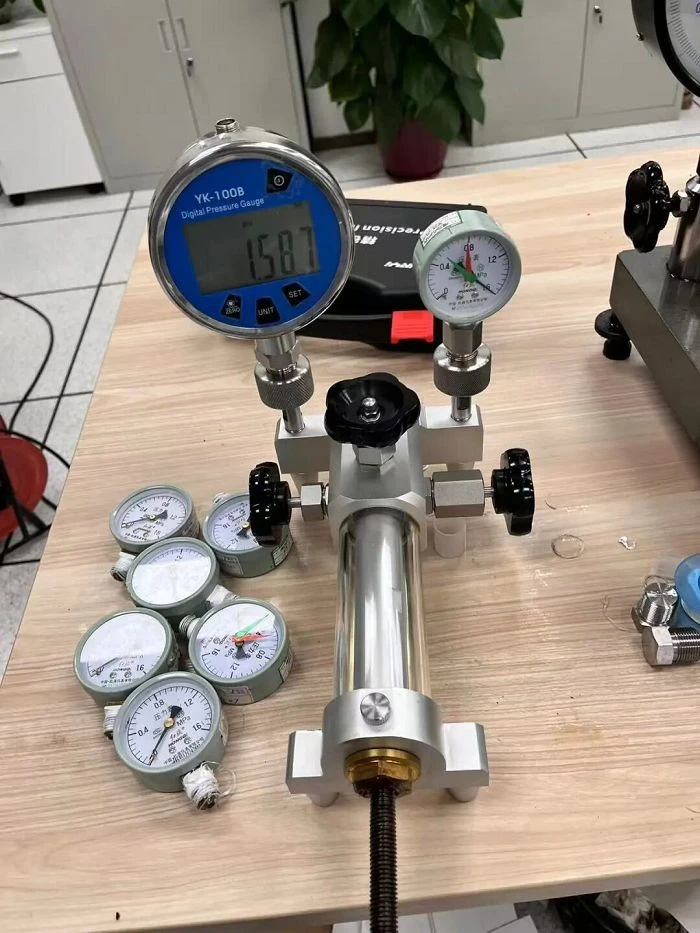
Pressure Gauge Calibration
Applicable products: Suitable for general pressure gauges, pressure vacuum gauges, and vacuum gauges with elastic components, including spring tube, diaphragm, diaphragm box, and other types of elastic component structure pressure gauges; Industrial and civilian pressure gauges with precision levels of 1.0, 1.6, 2.5, and 4.0, and a range of -0.1MPa~250MPa; It is also suitable for special calibration of precision pressure gauges (JJG 49-2013), electric contact pressure gauges, remote transmission pressure gauges, shock resistant pressure gauges and other specialized pressure gauges.
- Fast Delievery
- Quality Assurance
- 24/7 Customer Service
Product Introduction

Scope of verification
Applicable products: Suitable for general pressure gauges, pressure vacuum gauges, and vacuum gauges with elastic components, including spring tube, diaphragm, diaphragm box, and other types of elastic component structure pressure gauges; Industrial and civilian pressure gauges with precision levels of 1.0, 1.6, 2.5, and 4.0, and a range of -0.1MPa~250MPa; It is also suitable for special calibration of precision pressure gauges (JJG 49-2013), electric contact pressure gauges, remote transmission pressure gauges, shock resistant pressure gauges and other specialized pressure gauges.
Applicable scenarios: Used for initial calibration (factory, import, before use), subsequent calibration (periodic calibration), and in-service inspection (intermediate verification, arbitration inspection) of pressure gauges; Suitable for measuring calibration and quality assessment of pressure gauges in industrial production, safety monitoring, environmental monitoring, medical and health care, scientific research experiments and other fields.
Applicable fields: covering pressure gauges and pressure measuring devices for industries such as petrochemicals, power energy, metallurgy and mining, machinery manufacturing, construction and water conservancy, fire and security, food and medicine, environmental monitoring, etc.
Verification items
Appearance and identification verification: Check the clarity of the dial, the integrity of the pointers, the accuracy of the scale, the completeness of the seal, and the integrity of the nameplate identification (model, specification, accuracy, range, manufacturing unit, etc.), and determine the impact of appearance defects on the metrological performance.
Calibration of indication error: Conduct voltage rise and fall measurements at designated calibration points (including zero point, measurement upper limit of 20%, 40%, 60%, 80%, 100%), calculate indication error, and determine whether it meets the maximum allowable error requirements.
Return error verification: Measure the absolute value of the difference between the measured values during the boosting and lowering processes at the same verification point, and determine whether it is within the allowable range.
Tap displacement calibration: Measure the displacement of the pointer before and after tapping the case at each calibration point, and evaluate the stability of the pointer system and the flexibility of the mechanism.
Calibration of pointer deflection stability: During the slow rise and fall process, observe whether the pointer moves smoothly and continuously, without any abnormal phenomena such as jumping, shaking, or lagging.
Sealing test: including static pressure test (holding for 3 minutes under the upper limit pressure) and vacuum sealing test, to check whether the components of the pressure gauge are leaking, deformed or damaged.
Overpressure test: Apply 1.5 times the upper measurement limit pressure to the pressure gauge (apply corresponding negative pressure to the vacuum gauge), maintain for the specified time, and check whether the elastic element has undergone permanent deformation.
Additional function verification: Conduct contact action error and contact switching reliability testing for electric contact pressure gauges; Detecting signal transmission accuracy and response time for remote pressure gauges; Performance stability testing of shock resistant pressure gauges in vibration environments.

Verification standards
JJG 52-2013 Verification Regulations for Elastic Element General Pressure Gauge, Pressure Vacuum Gauge and Vacuum Gauge
JJG 49-2013 Verification Regulations for Elastic Element Precision Pressure Gauge and Vacuum Gauge
GB/T 1226-2017 General Pressure Gauge
JJG 882-2019 Calibration Regulations for Pressure Transmitters
JJG 544-2011 Verification Regulations for Pressure Controllers
TSG 21-2016 Safety Technical Supervision Regulations for Fixed Pressure Vessels
GB 50093-2013 Code for Construction and Quality Acceptance of Automation Instrumentation Engineering
ISO 5167:2022 Differential pressure devices for flow measurement
ASME B40.100-2021 Pressure Instruments and Instrument Accessories
EN 837-1:2017 Elastic element pressure gauges Part 1: General requirements
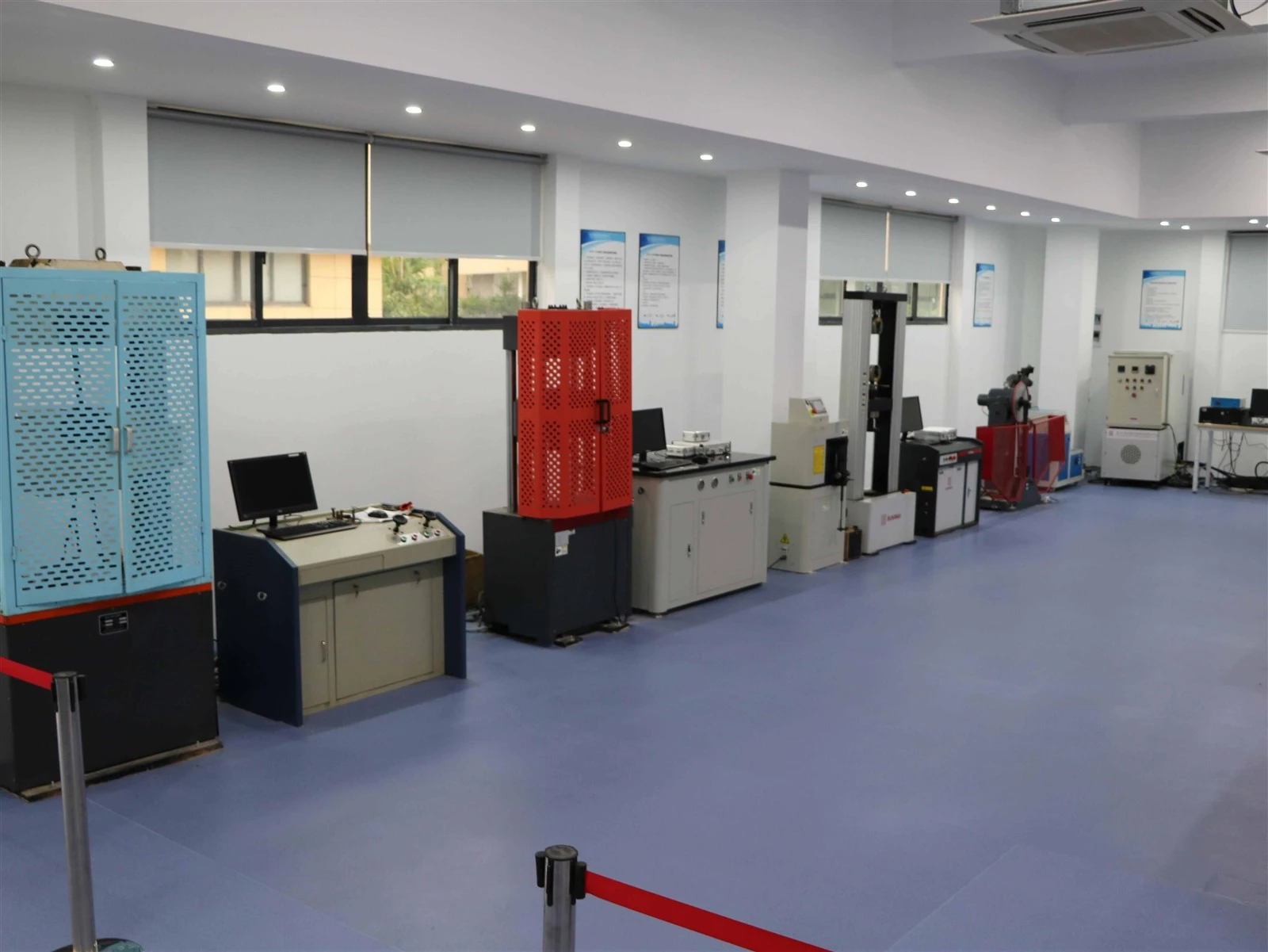
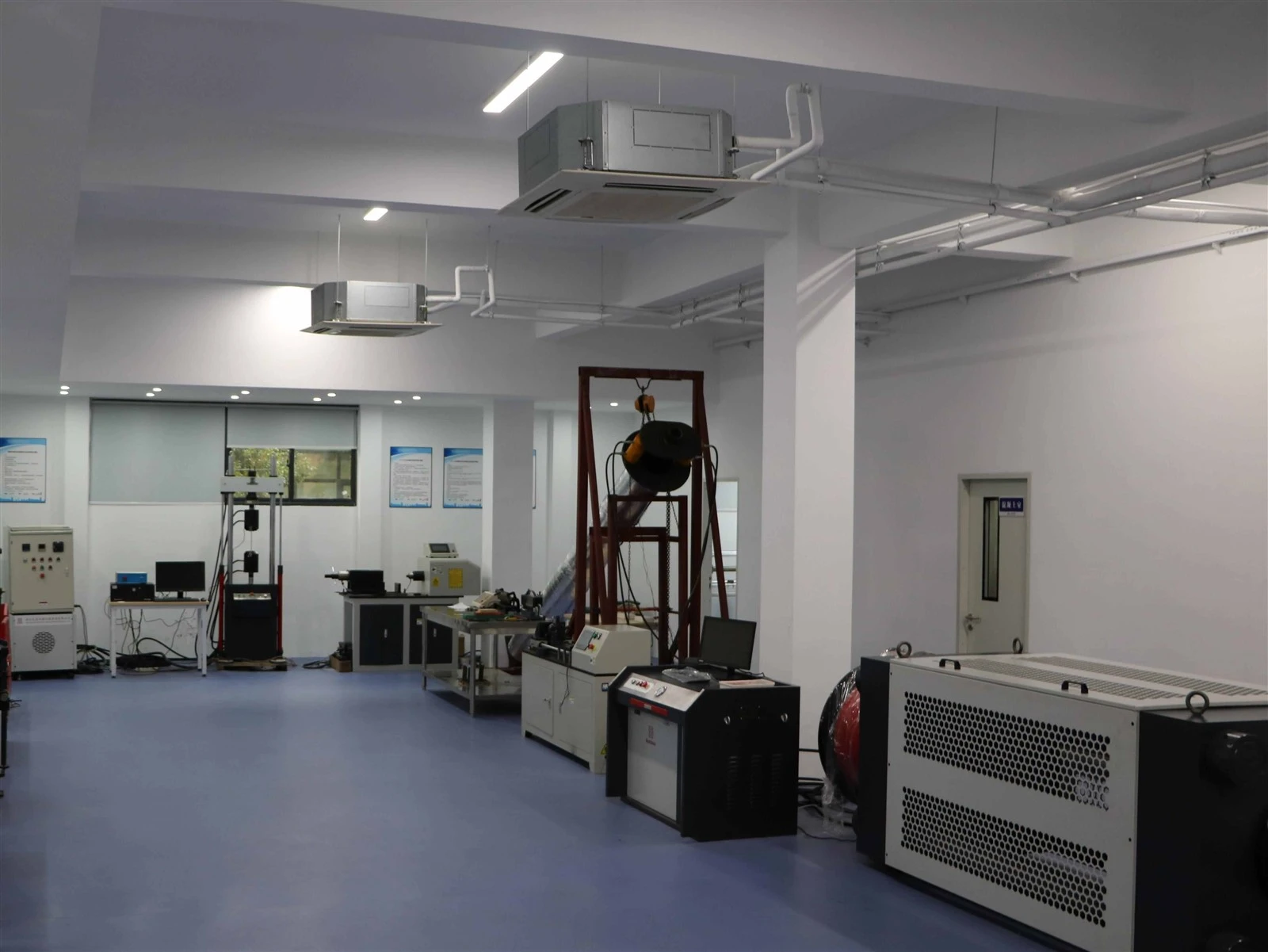
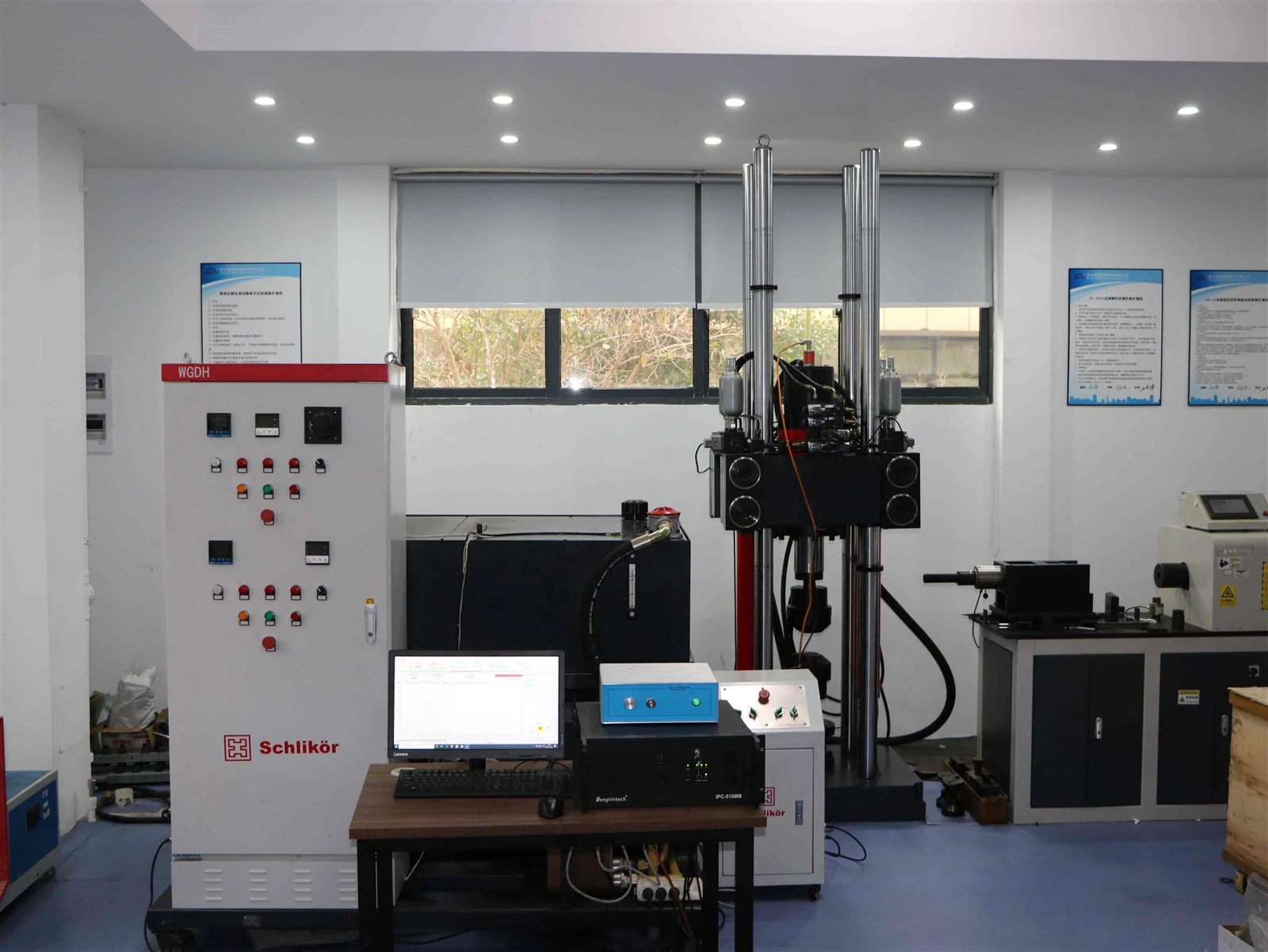
was established in 2011. As a national high-tech enterprise recognized by the Zhejiang Provincial Higher People's Court as a judicial authentication institution for construction engineering quality, we specialize in structural performance testing and safety assessment of construction projects, special equipment, communication towers, electromagnetic environments, large bridges, and building safety appraisal.
The company has more than 100 professional and technical personnel, over 90% of whom hold various medium and senior technical certificates. Equipped with complete testing equipment worth over RMB 10 million, our business scope covers the whole country.


No Information


