

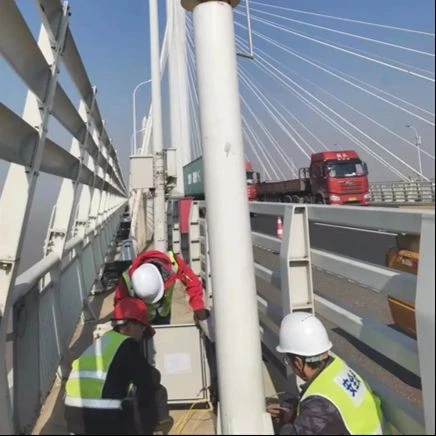
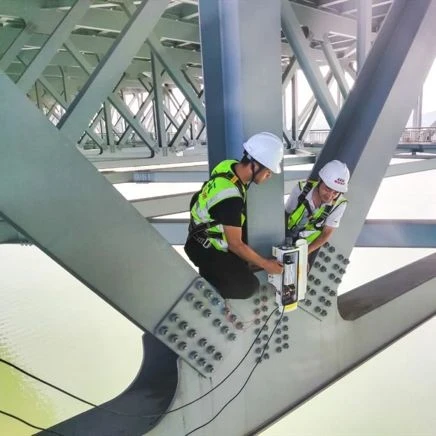
Bridge Inspection
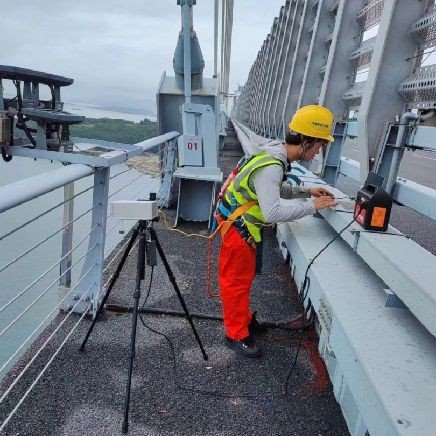
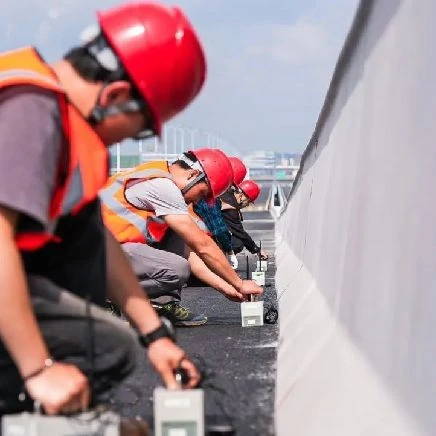
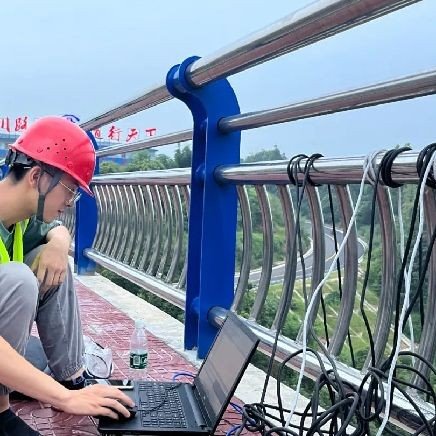
Bridge inspection is a comprehensive evaluation of the safety, durability, and applicability of bridge structures, focusing on the four core aspects of overall structural stability, component damage and deterioration, reliability of foundations and supports, and integrity of ancillary facilities.
- Fast Delievery
- Quality Assurance
- 24/7 Customer Service
Product Introduction

Bridge inspection
Bridge inspection is a comprehensive evaluation of the safety, durability, and applicability of bridge structures, focusing on the four core aspects of overall structural stability, component damage and deterioration, reliability of foundations and supports, and integrity of ancillary facilities. Combined with the characteristics of outdoor operation, dynamic load, and environmental erosion of bridges, the inspection is carried out in a graded manner, covering all dimensions of foundations, substructures, superstructures, supports, expansion joints, and ancillary facilities. Ultimately, the technical condition level of the bridge is determined, and suggestions for maintenance, reinforcement, or renovation are proposed to meet the special inspection requirements of highways and municipal bridges.
Detection classification and applicable scenarios
Bridge inspections are divided into three categories based on inspection purposes, cycles, and depths. Different types of inspections complement each other, with routine inspections as the foundation and special inspections as specialized reviews. The core is to adapt to the operational evaluation needs of the entire lifecycle of the bridge.

Core detection content (full structural dimension)
Bridge inspection covers six core modules: foundation, substructure, superstructure, bearings, expansion joints, and ancillary facilities. It also takes into account the special inspection points for different bridge types such as concrete bridges, steel structure bridges, masonry bridges, and composite structure bridges. Special inspections also add material performance, structural bearing capacity, and dynamic characteristic testing.
(1) Basic testing
Appearance and surrounding environment inspection: Check for erosion, hollowing out, and settlement cracks around the foundation of the bridge pier/abutment, record the loss of backfill soil and changes in groundwater level in the foundation pit, and inspect for cracks and voids at the connection between the foundation and the abutment;
Deformation detection: using a level and a total station to detect foundation settlement, inclination, and horizontal slip, calculating cumulative settlement and uneven settlement difference;
Pile foundation special testing: low strain method is used to test the integrity of the pile body, and defects such as broken piles, reduced diameter, and mud inclusion are checked; Using the high strain method to test the vertical bearing capacity of a single pile; Using the core drilling method to verify the concrete strength of the pile body;
Sinking well/expanded foundation inspection (special inspection): Ground penetrating radar is used to detect the bottom of the foundation for detachment and soil softening, and to verify whether the foundation bearing capacity meets the operational load requirements.
(2) Lower structure inspection
Appearance disease detection:
Concrete piers/columns: Check for cracks (vertical/horizontal/diagonal, record width, length, depth), honeycombs, rough surfaces, exposed reinforcement, corroded steel bars, loose concrete, and peeling;
Masonry piers and abutments (brick/stone/masonry): Check for cracks in masonry joints, detachment of joints, loose stones, weathering of masonry, and water seepage;
Steel structure pier: Check for steel corrosion, weld cracking, bolt loosening, and section loss;
Geometric deformation detection: Total station and laser plumb line are used to detect the verticality and axis deviation of piers and abutments, as well as the deflection and deformation of cover beams;
Material performance testing (special testing): rebound method/ultrasonic rebound comprehensive method is used to test the strength of concrete, carbonation depth meter is used to detect the carbonation depth of concrete, and the risk of steel corrosion is investigated; Using the Leeb hardness method to test the strength of steel for steel structure piers and abutments;
Bridge abutment back inspection: Check for settlement of backfill soil and bridge head jumping, and detect cracking, tilting, and sliding of the abutment back retaining wall.
(3) Upper structure inspection
The upper structure is the core that directly bears the driving load of the bridge. Special inspections are carried out for beam bridges, arch bridges, rigid frame bridges, cable-stayed bridges, and suspension bridges. The general inspection contents are as follows, and special inspection points are added for special bridge types:
General testing content:
Appearance defects: Check for cracks, flexural deformation, concrete spalling, and exposed reinforcement in the main beam, bridge deck, and crossbeam; Check for rust, weld cracking, loose bolts, component instability, and section loss in the steel structure main beam;
Geometric deformation: Use a total station and a level to detect the mid span deflection and overall linearity of the main beam, and calculate the deflection ratio; Detect the unevenness and misalignment of the bridge deck panel;
Connection parts: Check for cracks and looseness in the connection between the main beam and the cover beam, as well as between the transverse beam and the main beam, and ensure the reliability of the splicing nodes and bolted joints of the steel structure bridge;
Exclusive testing points for each bridge type:
Cable stayed bridges/suspension bridges: detect rust, broken wires, and cable force attenuation of cables/suspension cables, verticality and cracks of cable towers, looseness and rust of anchorages, and deformation of stiffening beams;
Arch bridge: detect settlement and cracking of arch feet, lateral bending and instability of arch ribs, and uniformity of tension of suspension rods;
Rigid frame bridge: detecting cracks and stress concentration in rigid frame nodes, as well as damage to the consolidated parts of piers and beams;
Material performance and bearing capacity testing (special testing): Core drilling method is used to verify the strength of concrete, ultrasonic flaw detector is used to detect internal defects in steel structure welds, professional software (MIDAS/Civil, ANSYS) is used to establish an overall model, verify the bending, shear, and compressive bearing capacity of the structure, and evaluate the heavy-duty traffic capacity.
(4) Support detection (core: deformation, aging, detachment, key components for load transmission)
Bearings are the core components that connect the upper and lower structures, including plate type rubber bearings, pot type rubber bearings, spherical steel bearings, and steel bearings. They are used to detect the working status, deformation, aging, and damage of the focus
Appearance and working condition inspection: Check for support offset, tilt, detachment, and grouting, as well as aging, cracking, bulging, oil leakage, exposed steel plates, corroded steel parts, and loose bolts of rubber supports; Corrosion, deformation, and inflexibility of steel bearings;
Deformation detection: detect the vertical compression and horizontal displacement of the support;
Performance testing: Use a pressure testing machine to test the vertical bearing capacity of the support; Detect the Shore hardness and elastic modulus of rubber bearings, and evaluate the degree of aging;
Bearing pad stone inspection: Check for cracks, looseness, and peeling in the pad stone concrete, and inspect the flatness and elevation deviation of the pad stone.
(5) Expansion joint inspection
Expansion joints are used to release temperature deformation and creep deformation of bridges. They are divided into modular, comb plate, and rubber strip types, and are used to detect focusing integrity, deformation ability, and sealing performance
Appearance inspection: Check for deformation, corrosion, and fracture of expansion joint steel, aging, cracking, detachment, and leakage of rubber strips, looseness, misalignment, and jamming of comb plates, cracks and potholes at the connection between expansion joints and bridge decks;
Function testing: Check whether the expansion and contraction of the expansion joint meets the design requirements, whether there is any jamming or inability to expand freely, and record the jumping phenomenon at the expansion joint;
Surrounding inspection: Check for damage and leakage of the waterstop below the expansion joint, verify the reliability of the connection between the expansion joint and the bridge deck pavement, and prevent rainwater from seeping into the beam and support.
(6) Auxiliary facility testing
Bridge deck paving, railings and anti-collision facilities, drainage system
Key points of bridge special inspection
Special testing for material properties: concrete, steel, masonry, rubber;
Structural dynamic characteristic detection: using vibration testers and acceleration sensors to detect the natural frequency, mode shape, and damping ratio of the bridge, identify resonance risks caused by structural stiffness attenuation, and evaluate the bridge's ability to resist dynamic loads;
Load test (static load+dynamic load):
Static load test: Set up measuring points at key parts of the bridge, apply graded static loads, detect structural deformation, stress, and strain, and review whether the structural bearing capacity meets the design requirements;
Dynamic load test: Using driving loads at different speeds to pass through the bridge, detecting the dynamic deflection, dynamic stress, and impact coefficient of the structure, and evaluating the dynamic response characteristics of the bridge;
Durability assessment: Combining environmental factors, detecting the rate of structural degradation, predicting the remaining service life of the bridge, and proposing durability protection measures.
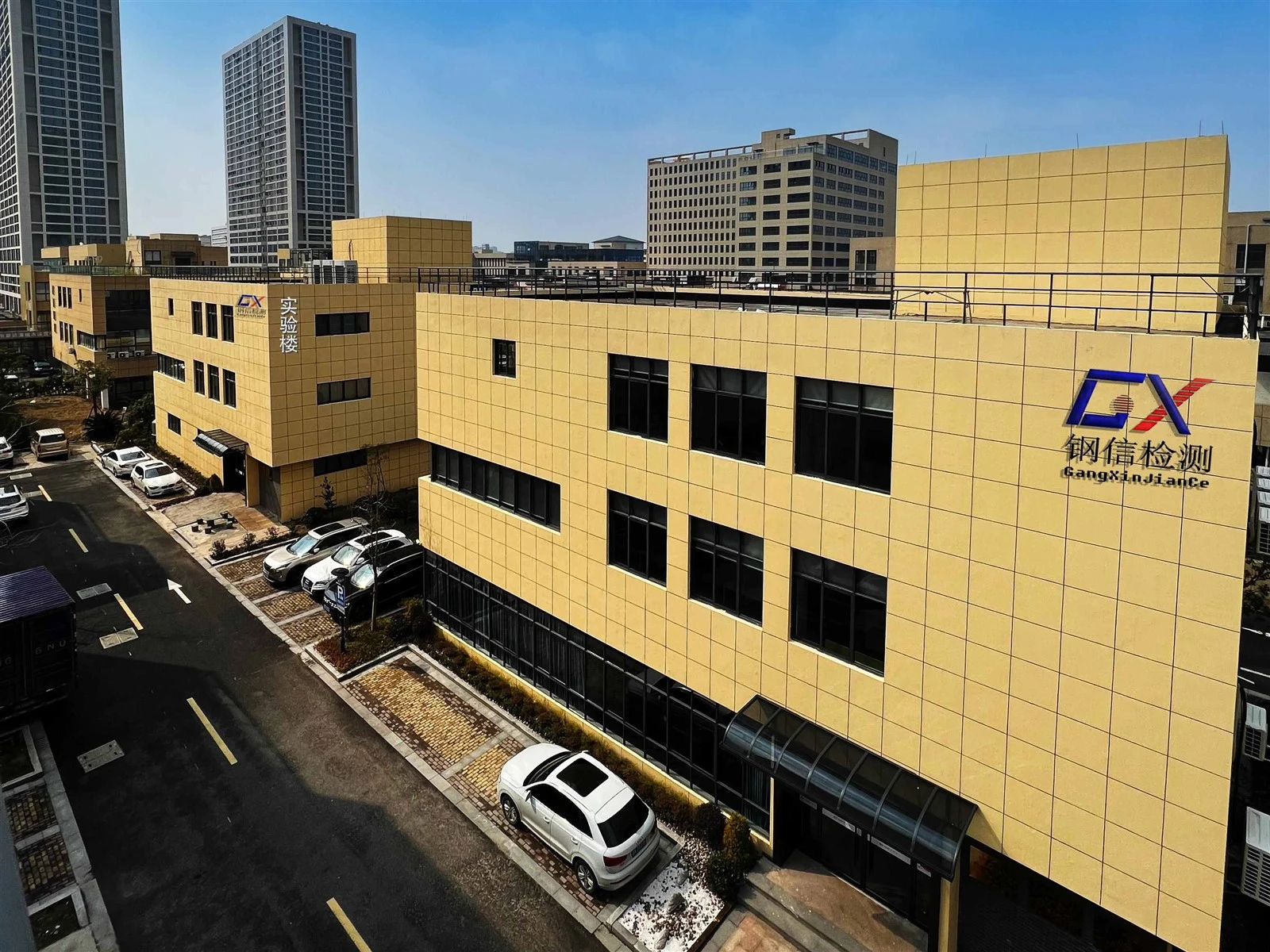
was established in 2011. As a national high-tech enterprise recognized by the Zhejiang Provincial Higher People's Court as a judicial authentication institution for construction engineering quality, we specialize in structural performance testing and safety assessment of construction projects, special equipment, communication towers, electromagnetic environments, large bridges, and building safety appraisal.
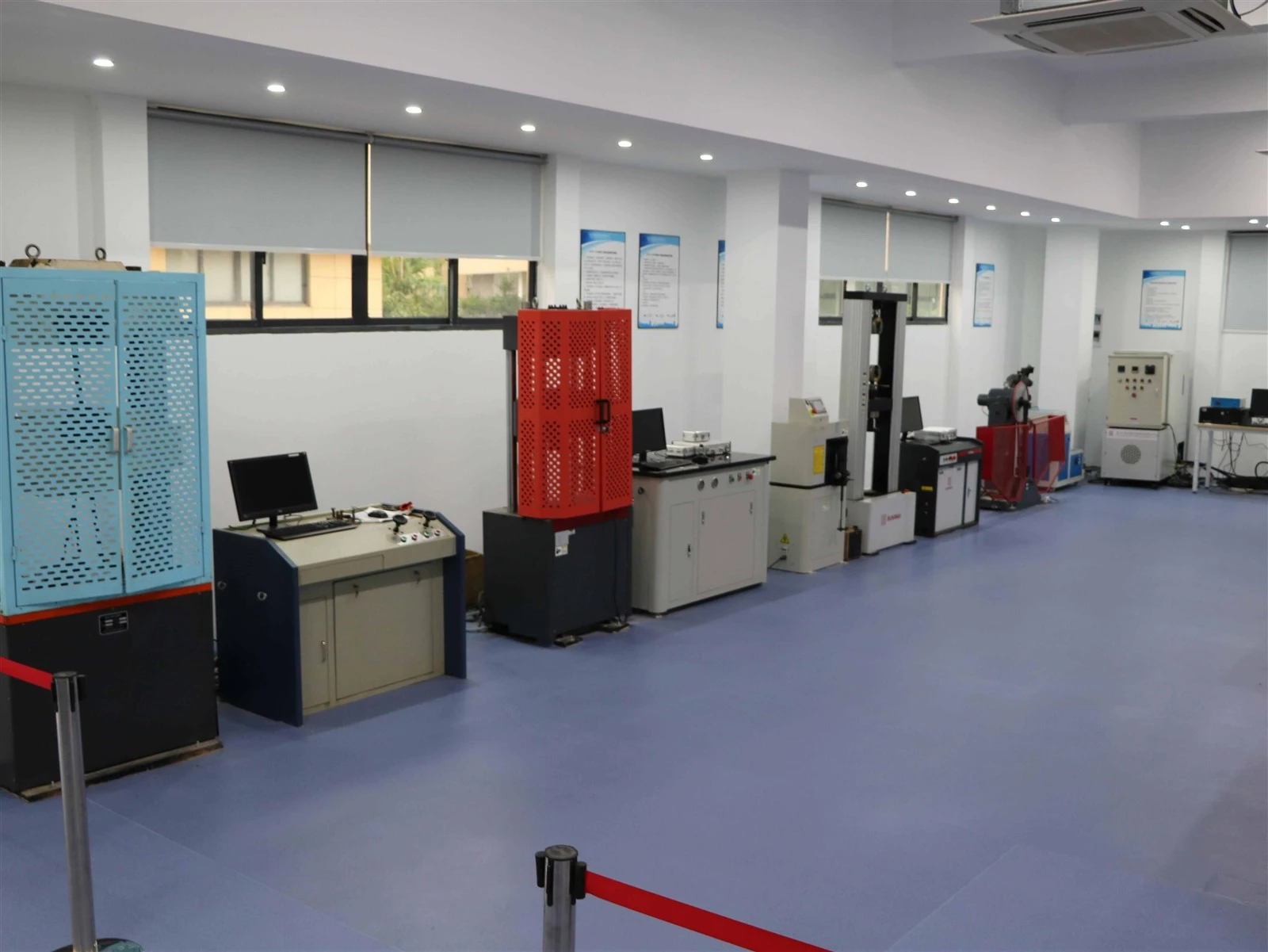
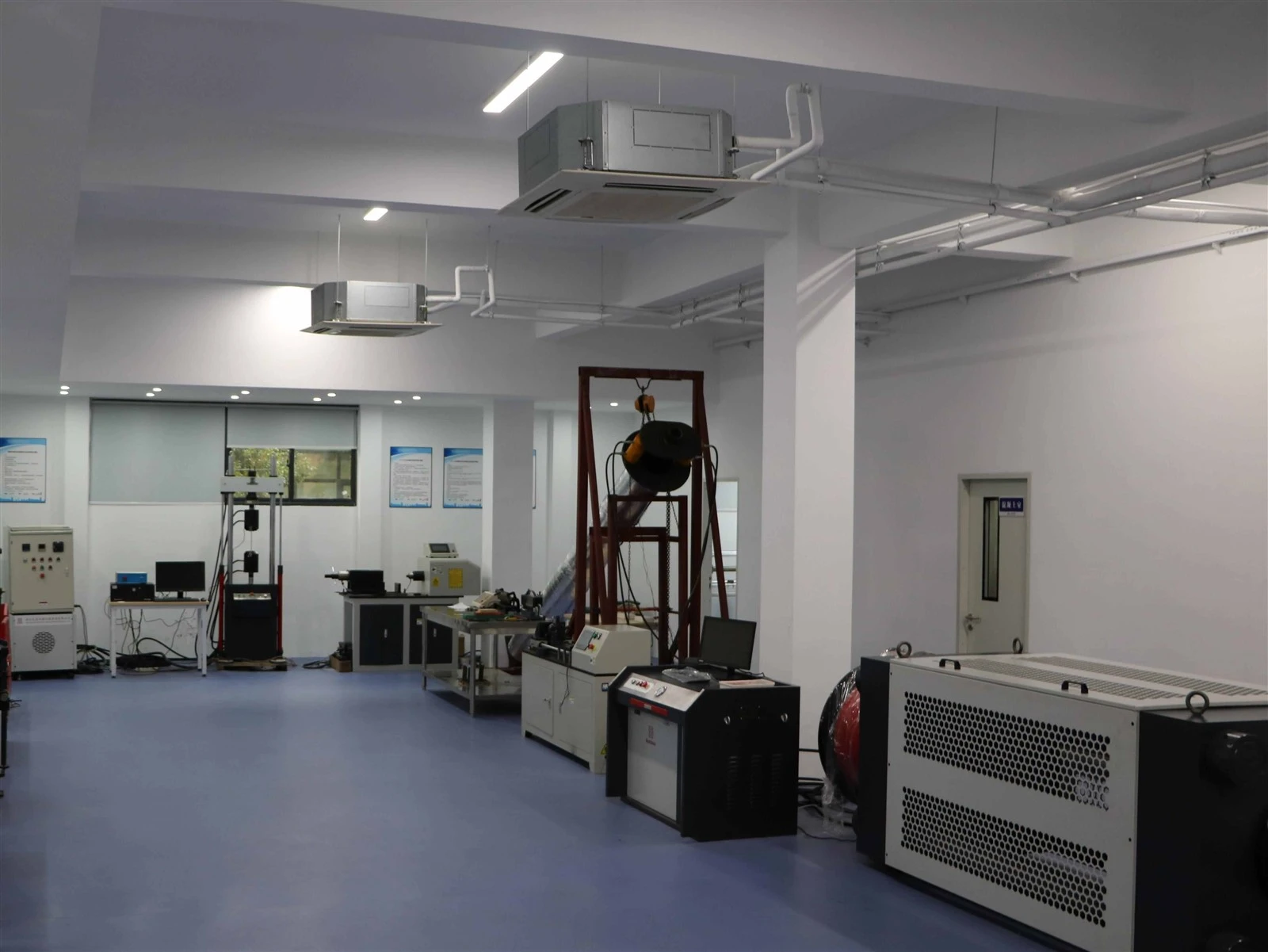
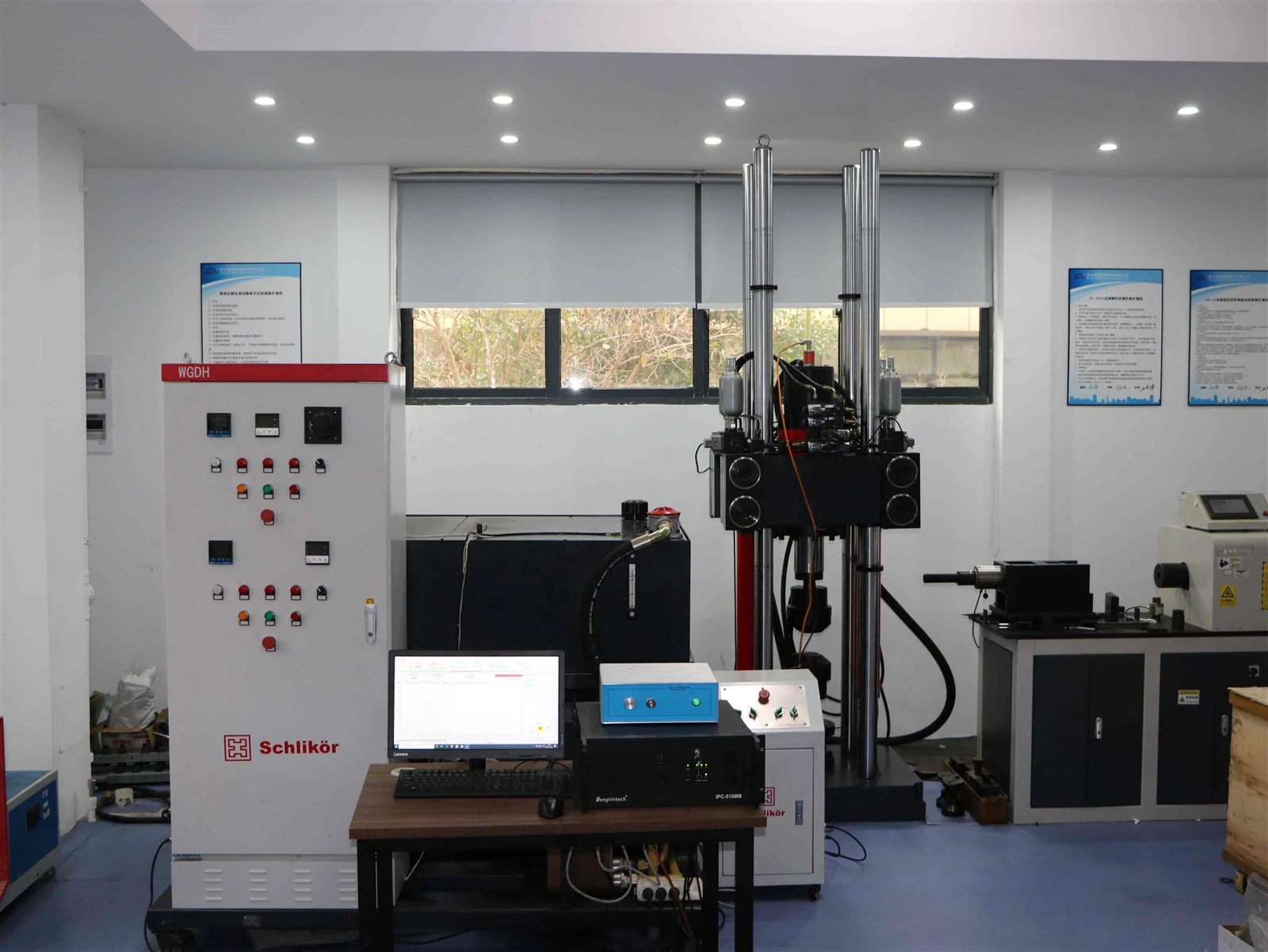
The company has more than 100 professional and technical personnel, over 90% of whom hold various medium and senior technical certificates. Equipped with complete testing equipment worth over RMB 10 million, our business scope covers the whole country.