

Seismic Appraisal Of Buildings
Through on-site surveying and mapping, establish technical data such as building plan, elevation, section, typical building structure, foundation plan, structural plan, typical structural component section and node structure, especially the connection structure and reliability between the added structure and the original structure.
- Fast Delievery
- Quality Assurance
- 24/7 Customer Service
Product Introduction

Testing basis
(1) Code for Load of Building Structures (GB50009-2012);
(2) Code for Design of Concrete Structures (GB50010-2010, 2015 edition);
(3) Technical Standard for On site Inspection of Concrete Structures (GB/T 50784-2013);
(4) Design Standard for Foundation (DGJ08-11-2018);
(6) Reliability Appraisal Standard for Civil Buildings (GB50292-2015);
(7) Unified Standard for Reliability Design of Building Structures (GB 50068-2018);
(8) Standard for Seismic Evaluation of Buildings (GB50023-2009);
(9) Classification Standard for Seismic Design of Building Engineering (GB50223-2008);
(10) Code for Seismic Design of Buildings (GB50011-2010) (2016 edition);
(11) Standard for Evaluation of Building Damage Grade (Trial) (Chengzhu Zi (84) No. 678);
(12) The structural design drawings provided by the client.
Testing work content and methods
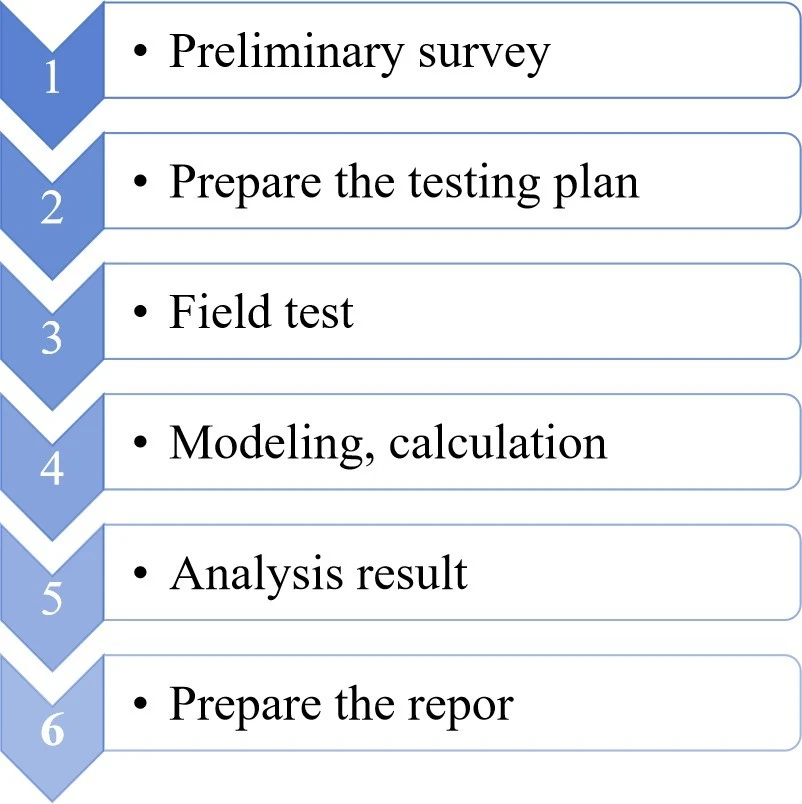
(1) Survey on the use of houses and mapping of architectural and structural drawings
Through on-site surveying and mapping, establish technical data such as building plan, elevation, section, typical building structure, foundation plan, structural plan, typical structural component section and node structure, especially the connection structure and reliability between the added structure and the original structure.
(2) Structural system testing
The main load-bearing structure consists of concrete beams, columns, brick walls, etc. The focus of structural system testing is on the layout and connection structure of the foundation, concrete beams, columns, brick walls, and other components.
(3) Structural dimensions and reinforcement testing
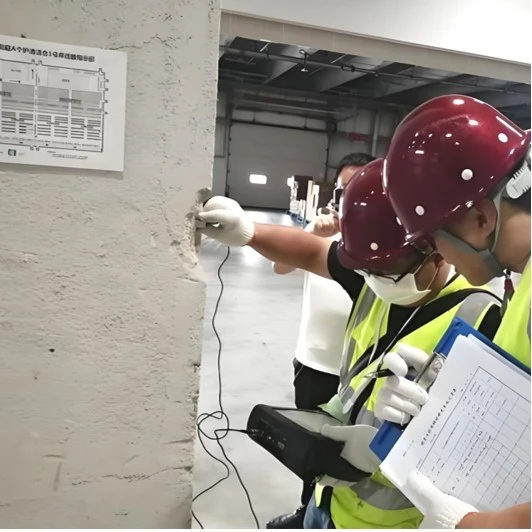
The cross-sectional dimensions of the components are surveyed; The steel bars are tested using a combination of ultrasonic testing and local excavation, with a focus on spot checks. The main focus is on reviewing the steel bars of typical components, with a particular emphasis on areas that may increase the load.
(4) Structural material property testing
The content and methods of structural material property testing mainly include:
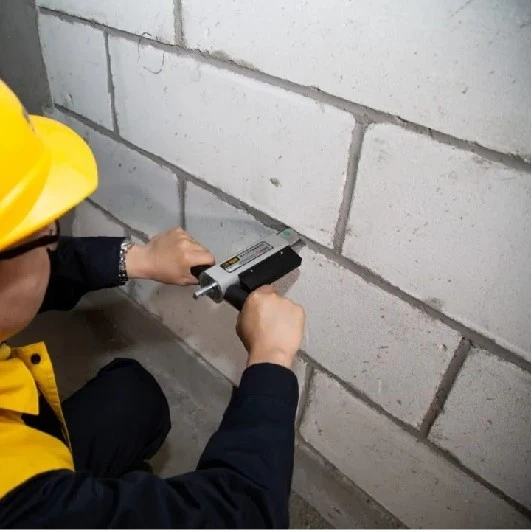
Concrete strength - rebound method is used, and core drilling method is used for verification when site conditions are met.

(5) Appearance quality defects and structural damage detection
Component appearance defect detection, including: column, beam, slab support system, roof system, enclosure system, etc.
Comprehensively inspect the appearance defects of components, such as deformation, damage, rust, and misalignment. Record in the form of photos and text. The test results can be recorded according to severe defects and general defects. For severe defects, information such as the location and scope of the defect should also be recorded to consider the impact of the defect when calculating resistance.
(6) Component deformation detection
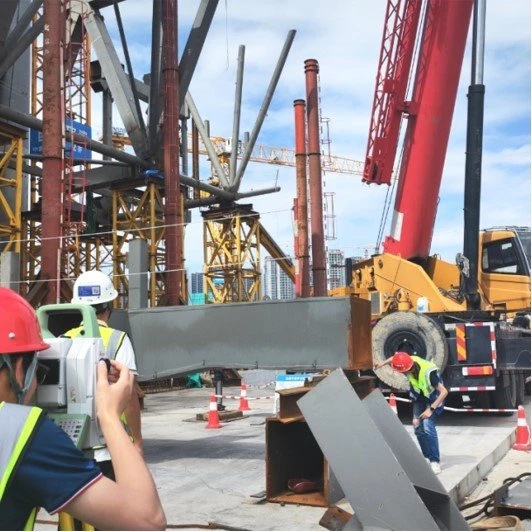
Since the verticality of vertical components is an important indicator for measuring their performance and also affects their bearing capacity (secondary bending moment), it is necessary to measure the inclination of columns. Leica TCR1202 total station can be used in conjunction with steel ruler point casting method to measure the inclination of columns on site, and the sampling ratio should be executed according to the minimum sample capacity of building structure sampling inspection.
(7) Measurement of building settlement and overall tilt
Use Leica NA2 level to measure the elevation of column bottom and check for uneven settlement and insufficient foundation bearing capacity of the building. On site inspection shows the presence of original leveling control points. Based on the site conditions, each window sill, floor, or parapet can be used as a reference point for the reference plane. Observation points should be set at the four corners, major corners, and every 5-10 meters or every column along the exterior wall of the building to measure the relative uneven settlement of the building.
Using a total station to measure the horizontal height of the end and mid span of concrete or steel beams, and calculating the mid span deflection of the beam using the horizontal height difference of the given measuring point; Measure the inclination of the corner lines of the steel column using a theodolite or total station, and calculate the inclination rate of the column using the horizontal displacement difference.
(8) Computational analysis
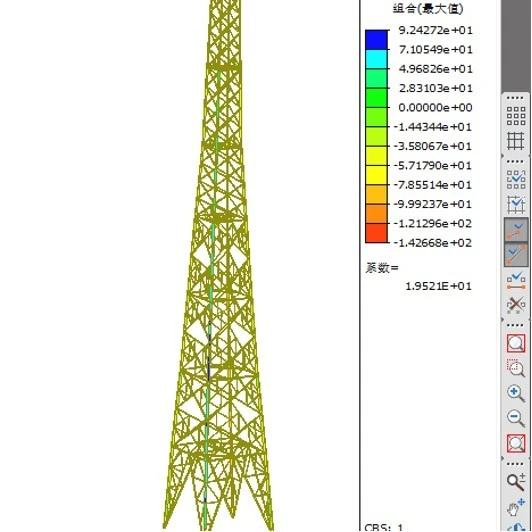
The calculation software adopts the PKPM series design software developed by the PKPMCAD Engineering Department of China Academy of Building Research. The structural model adopts the actual structure after on-site inspection for overall analysis and calculation. The main content of computational analysis includes the selection of computational models, calculation of loads, and analysis of structural responses
(9) Seismic appraisal and evaluation of building structures
Based on the comprehensive on-site inspection and calculation analysis, combined with the subsequent functional use of the building, the safety and seismic performance of the building structure are evaluated, providing technical basis for the subsequent design of the building renovation.
(10) Write testing, provide testing and identification conclusions, and provide handling suggestions
Based on the comprehensive on-site inspection and calculation analysis results, determine whether the existing building structure is consistent with the original design; Analyze the main causes of house damage; Assess the safety, seismic construction, and seismic bearing capacity of the structure, and propose treatment suggestions based on the actual situation. Structural safety assessment includes the calculation of structural resistance, quantitative analysis of the safety of the structure during the target service life based on the calculation results of load effects and interface resistance or on-site test results, and qualitative analysis of the safety of the structure according to relevant standards and specifications based on the actual construction situation of the building structure. Seismic analysis includes investigation and analysis of seismic structural settings, as well as calculation of seismic bearing capacity.
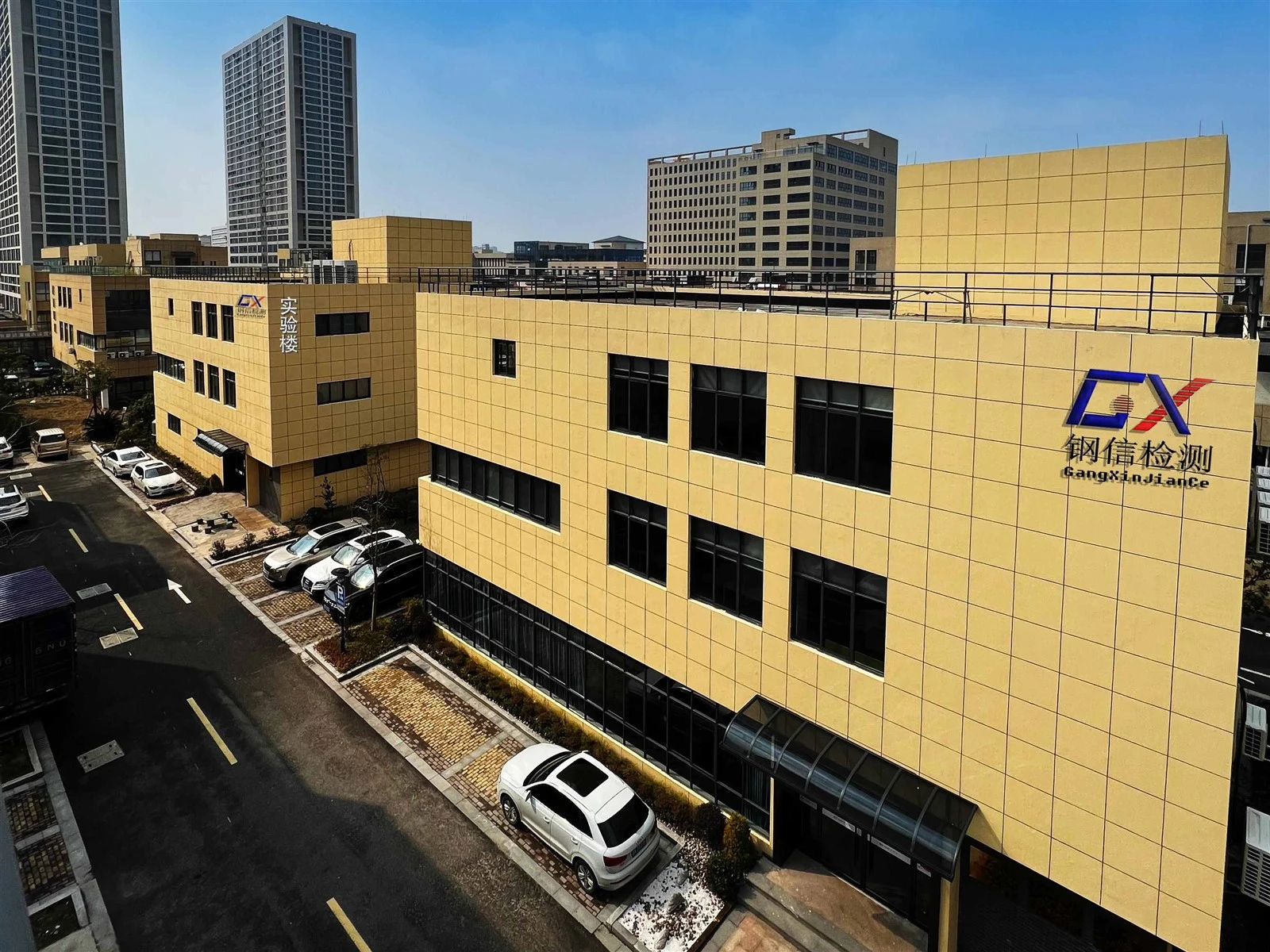
was established in 2011. As a national high-tech enterprise recognized by the Zhejiang Provincial Higher People's Court as a judicial authentication institution for construction engineering quality, we specialize in structural performance testing and safety assessment of construction projects, special equipment, communication towers, electromagnetic environments, large bridges, and building safety appraisal.
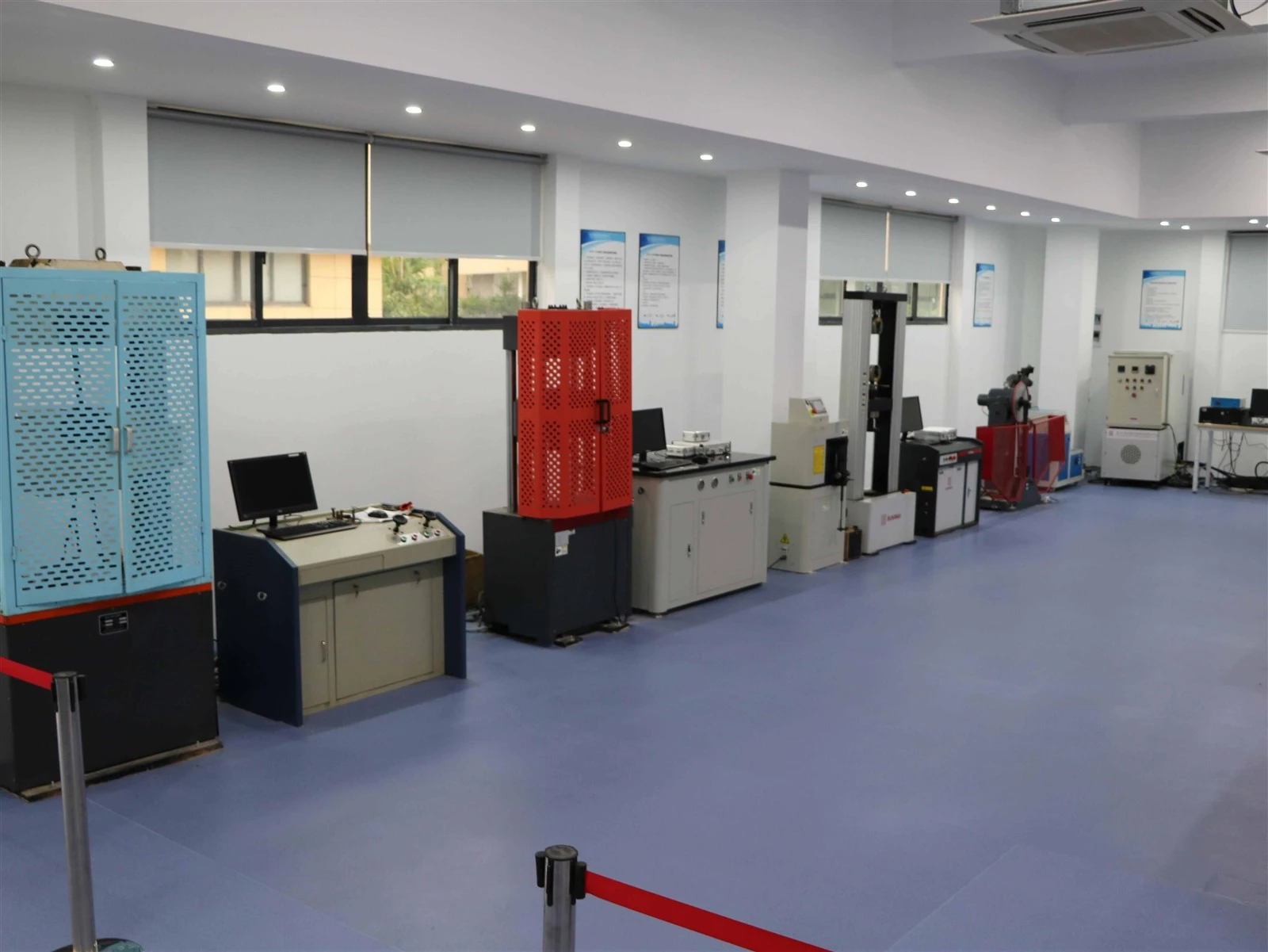
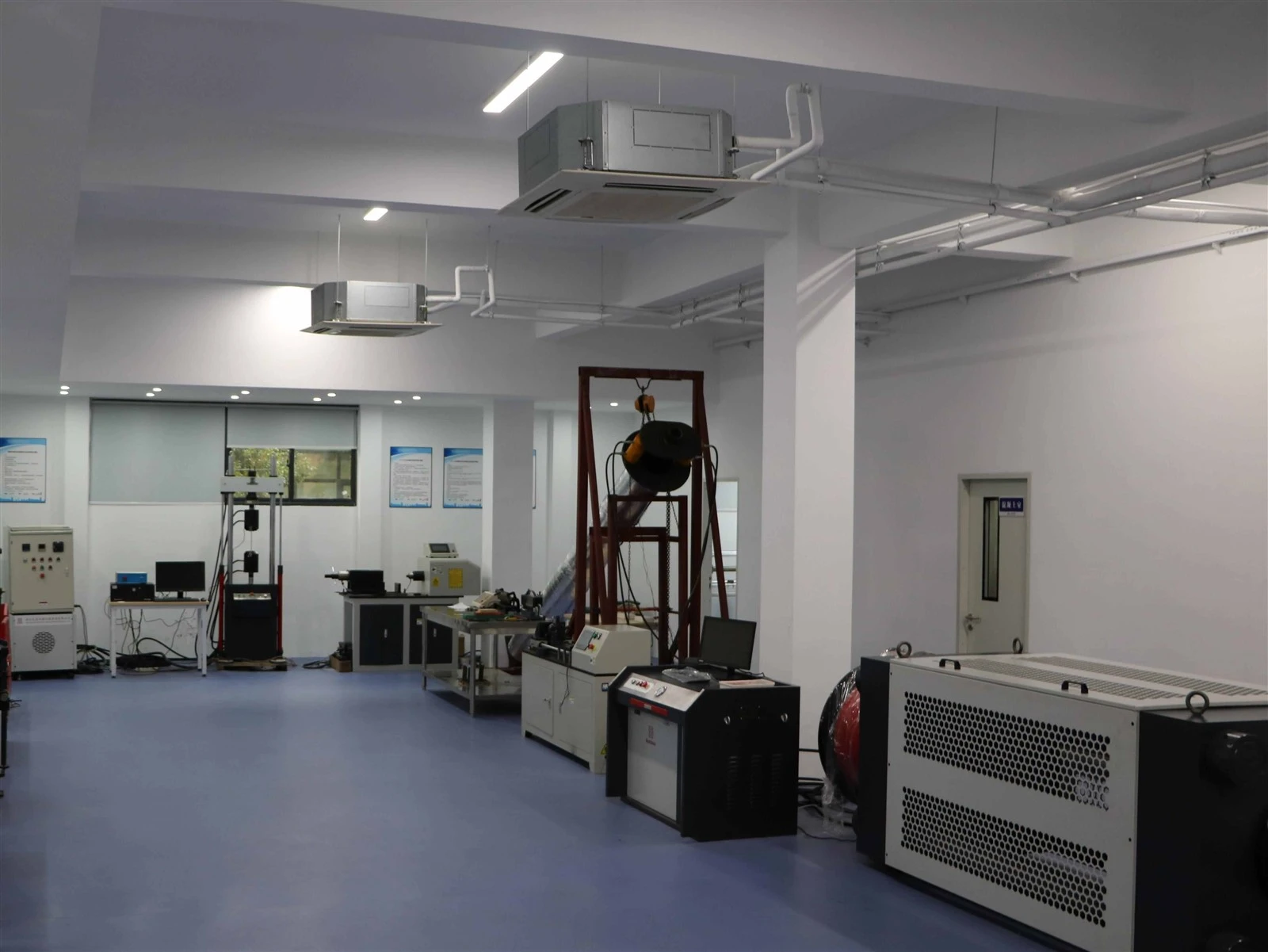
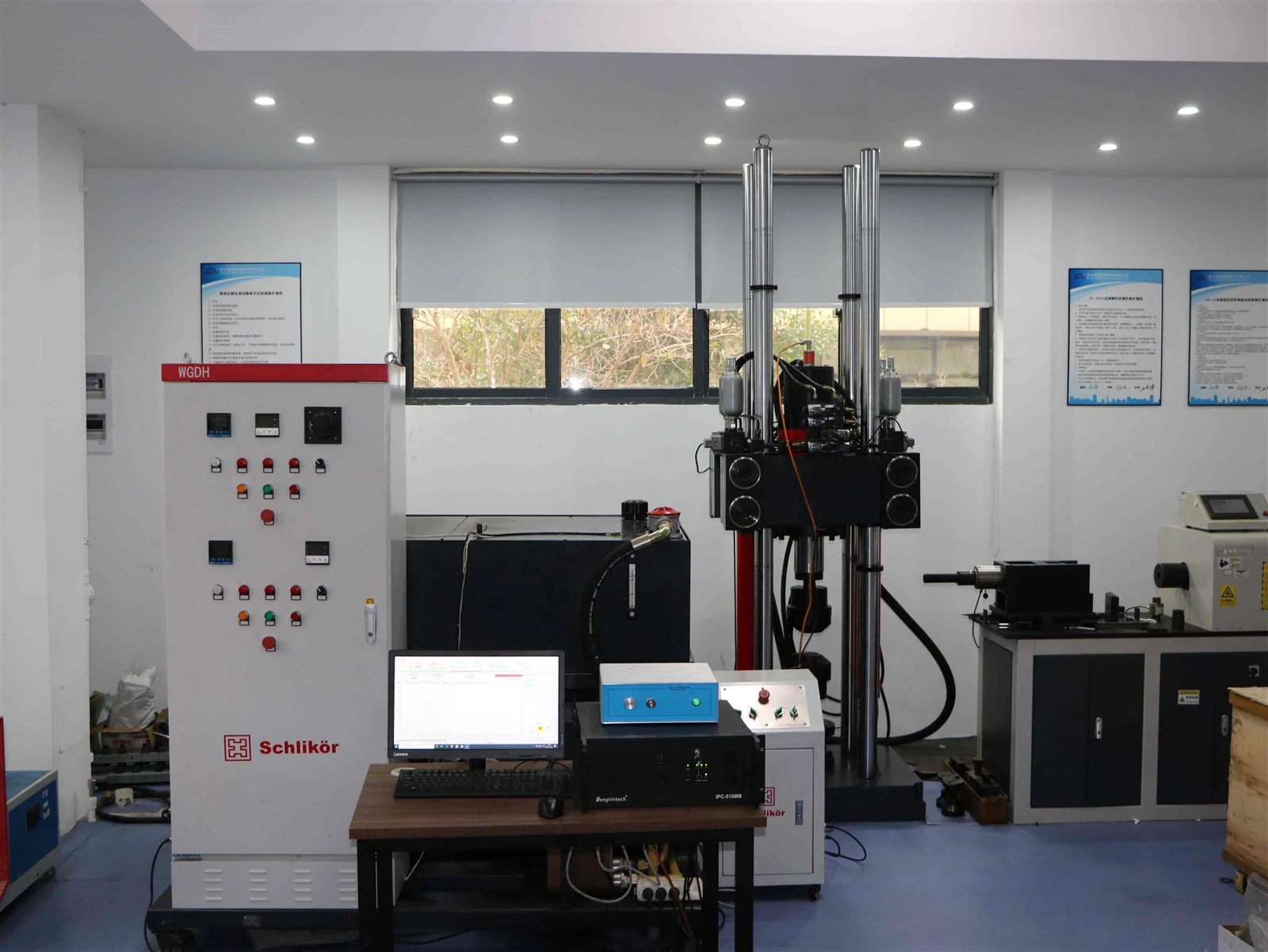
The company has more than 100 professional and technical personnel, over 90% of whom hold various medium and senior technical certificates. Equipped with complete testing equipment worth over RMB 10 million, our business scope covers the whole country.