

Overall Building Inspection
Building overall inspection is a comprehensive testing and evaluation of the overall structural system, functional use, safety performance, durability, and seismic resistance of a building (structure). Unlike single component/sub item inspection, it focuses on overall stability, system coordination, and comprehensive safety, covering the entire dimension of the building from foundation to enclosure structure.
- Fast Delievery
- Quality Assurance
- 24/7 Customer Service
Product Introduction

Overall building inspection
Building overall inspection is a comprehensive testing and evaluation of the overall structural system, functional use, safety performance, durability, and seismic resistance of a building (structure). Unlike single component/sub item inspection, it focuses on overall stability, system coordination, and comprehensive safety, covering the entire dimension of the building from foundation to enclosure structure. At the same time, combined with usage scenarios and environmental impacts, an overall analysis is conducted to ultimately determine the overall safety level, usage status, and rectification direction of the building (structure). The following are standardized testing scope, core content, methods, and standards that are suitable for various civil/industrial building overall inspection needs.
Scope of application for overall building inspection
Overall safety review of the house that has reached its designed service life and intends to continue using it;
Pre testing of overall bearing capacity calculation for changing building functions and increasing overall loads (such as converting the entire building into a commercial building, installing large equipment, and adding floors to the roof);
Assessment of overall damage to buildings after disasters such as earthquakes, fires, floods, typhoons, etc;
Special testing of the overall impact of large-scale construction in the surrounding area (excavation of foundation pits, subway shield tunneling, blasting) on the building;
Safety level assessment of the entire structure in the investigation of old and dangerous buildings;
In scenarios such as property transfer, judicial arbitration, and completion acceptance, a certificate of overall building qualification must be issued;
Root cause investigation of hidden dangers such as overall deformation of buildings (such as overall tilting, uneven settlement) and synchronous damage of multiple components.

Core dimensions and specific content of overall building inspection
The overall inspection is based on the integrity of the overall system, coordination of various subsystems, and compliance with comprehensive performance standards. It is divided into five dimensions: foundation and site, upper main structure, enclosure and ancillary systems, overall performance analysis, and special scene inspection. The inspection contents of each dimension are interconnected to form an overall evaluation system, covering all sub items of the building without omission.
(1) Foundation and overall site inspection
The foundation is the core of the overall stability of a building. Testing focuses on overall settlement, foundation bearing capacity, and foundation integrity to avoid overall damage to the upper structure caused by foundation problems
Site and Geological Review: Verify site geological survey data, changes in groundwater level, surrounding drainage systems, identify geological hazards such as landslides, collapses, and karst, and evaluate the impact of the site on the overall building;
Basic overall inspection: inspect the type of foundation (strip/independent/raft/pile foundation), actual size and burial depth, check for defects such as foundation cracks, looseness, corrosion, uneven voids, etc., review the integrity of the pile foundation body, and single pile bearing capacity (perform static load/low strain testing as needed);
Overall settlement and uneven settlement detection: Set up settlement observation points with a unified elevation on the exterior wall of the building (the number is determined by the size/shape of the building, generally ≥ 6), use a level to perform single/cumulative settlement detection, calculate settlement difference and settlement rate, and determine whether there is uneven settlement (standard limit: settlement difference of brick concrete structure ≤ 0.002L, frame structure ≤ 0.003L, L is the distance between adjacent measurement points);
Verification of overall bearing capacity of foundation: Based on on-site inspection data, verify the overall bearing capacity of the foundation bearing layer, evaluate whether it meets the current overall load requirements of the building, and identify the risk of foundation instability.
(2) Overall inspection of the upper main structure
The upper main structure is the core of the overall load-bearing capacity of the building. Testing focuses on the integrity of the structural system, coordination of components, and overall deformation to avoid overall collapse caused by component connection defects and unreasonable systems
Structural system review: Verify whether the actual structural system of the building (brick concrete/frame/shear wall/steel frame/tube) and component layout (beam column wall/roof truss/floor slab) are consistent with the design, and investigate structural system defects (such as missing ring beams/structural columns, missing frame nodes, and asymmetric component layout);
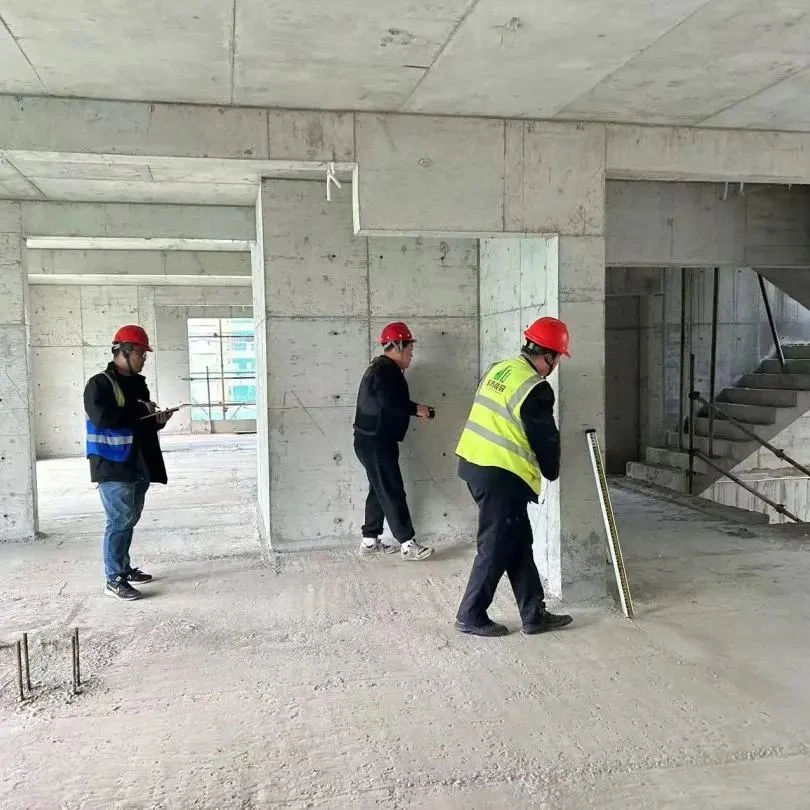
Overall geometric dimension detection: detect the total height, total number of floors, overall axis deviation, and floor height deviation of the building, and review the overall verticality of beams, columns, and walls (the overall verticality deviation of high-rise buildings is ≤ H/1000 and ≤ 30mm, where H is the total height of the building);
Overall inspection of main components: Check the material strength, reinforcement/connection, and damage of core components according to the structural type, with a focus on the connection parts between components (such as frame nodes, wall column junctions, roof truss and column connections), and investigate problems such as loose connections, cracks, and detachment to ensure that the components form an overall stress system;
Upper structure overall deformation detection: using a total station to detect the overall inclination of the building and calculate the inclination rate (standard limit: overall inclination rate of civil buildings ≤ 0.004, high-rise buildings ≤ 0.0025); Detect the overall deflection of the floor and roof, and investigate the problem of excessive overall deflection deformation;
Overall investigation of component damage: comprehensively investigate the cracks in the upper structure (location, direction, width, distribution), distinguish between through cracks caused by overall settlement and local component cracks, record the distribution range of damaged components, and evaluate the impact of damage on the overall structure.
(3) Overall inspection of enclosure and ancillary systems
Although the enclosure and ancillary systems do not bear the main load, they affect the overall safety and durability of the building. The detection focuses on the connection with the main structure and its own integrity to avoid secondary disasters caused by the detachment or damage of ancillary systems
Enclosure structure inspection: inspect the arrangement of tie bars between infill walls, exterior walls, parapets, and the main structure, check for cracks, tilting, and detachment of enclosure walls, review the integrity of roof waterproofing and insulation layers, and evaluate the protective effect of enclosure structures on the main structure;
Auxiliary structure testing: testing the connection reliability of auxiliary components such as balconies, canopies, eaves, billboards, and air conditioning brackets, checking for looseness, deformation, and corrosion, verifying the overall bearing capacity of auxiliary components, and avoiding detachment;
Supporting system detection: detect the pipeline layout of water supply and drainage, electrical, and HVAC systems, investigate pipeline leakage and corrosion that may corrode the main structure, and evaluate the coordination between the supporting system and the overall building.
(4) Comprehensive analysis and verification of overall performance of buildings
Based on the previous on-site inspection data, professional structural calculation software (PKPM/YJK/MIDAS) is used for overall modeling and verification, which is the core analysis link of building overall inspection, avoiding the limitations of single component verification:
Overall load calculation: Calculate the overall dead load (structural self weight, decoration layer, equipment layer) and live load (crowd, equipment, snow load/wind load/earthquake load) of the building, take the actual value according to current specifications, and ensure that the load calculation is consistent with the current usage status of the building;
Overall bearing capacity verification: Establish a building overall structural model, verify the overall vertical and horizontal bearing capacity, evaluate whether the overall structure meets the bearing requirements, and identify the risk of overall chain failure caused by insufficient bearing capacity of local components;
Overall stability analysis: Verify the building's ability to resist overturning, sliding, and lateral displacement, with a focus on analyzing the overall stability of high-rise buildings, large-span buildings, and irregular buildings, and identifying the risk of structural instability;
Analysis of collaborative work between components: Analyze the collaborative stress situation between beams, columns, walls, foundations and upper structures, and enclosures and main structures, investigate the interruption of stress transmission caused by component connection defects, and ensure the smooth operation of the overall stress system.
(5) Overall detection of specialized scenarios
Based on the usage scenarios and environmental impacts of the building, targeted comprehensive inspections will be conducted to cover the overall safety of the building under special working conditions
Overall seismic performance testing (mandatory in seismic fortification areas): review the seismic fortification category and grade of the building, test the overall layout and integrity of seismic structural measures (ring beams/structural columns/tie bars/seismic joints), verify the overall seismic bearing capacity of the building, and evaluate the overall collapse resistance under earthquake action;
Post disaster building overall inspection: After a fire, inspect the degree of overall damage to structural components, reduce material strength, and evaluate the impact of high temperatures on the overall structural system; Detecting the overall collapse trend of buildings and the distribution of damage to components after earthquakes to determine whether they can be repaired; Detect the softening of the foundation and corrosion of components after the flood, and evaluate the overall stability;
Overall detection of the impact of construction on the surrounding area: For buildings around foundation pits/subway construction, long-term settlement/tilt monitoring points are set up to track and detect the overall deformation trend of the building, analyze the overall impact of construction on the building foundation and upper structure, and timely warn of safety hazards;
Overall durability testing: For buildings in coastal/chemical environments, the overall carbonation depth of concrete, overall corrosion rate of steel bars, and overall aging degree of anti-corrosion coatings on steel structures are tested to evaluate the overall durability of the building and predict the remaining service life;
Overall detection of functional changes: Before the transformation of buildings into commercial or factory buildings, the overall bearing capacity, evacuation routes, and fire protection systems of the building should be checked according to the load requirements of the new functions to ensure that they meet the requirements of the new functional changes.
Core methods for overall building inspection
The overall testing is based on on-site measurement, overall modeling, and comprehensive analysis, combined with the principle of non-destructive testing as the main method and micro damage detection as the auxiliary method, to ensure the authenticity of the testing data and the accuracy of the analysis results. The core methods are as follows:
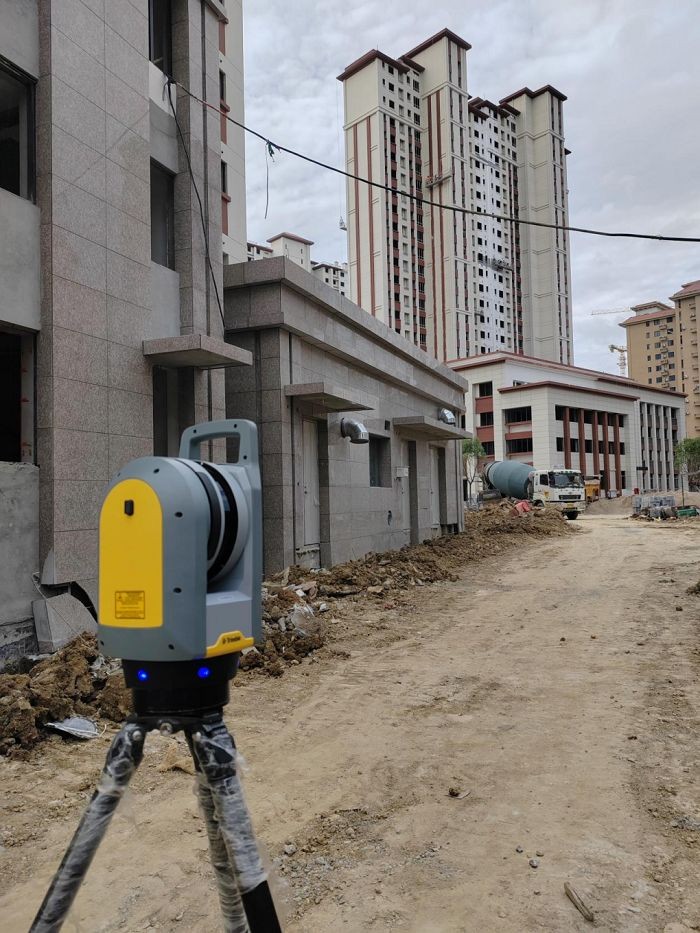
Geometric measurement method: level (settlement), total station (tilt/verticality/axis offset), laser rangefinder (size), ruler (local verticality);
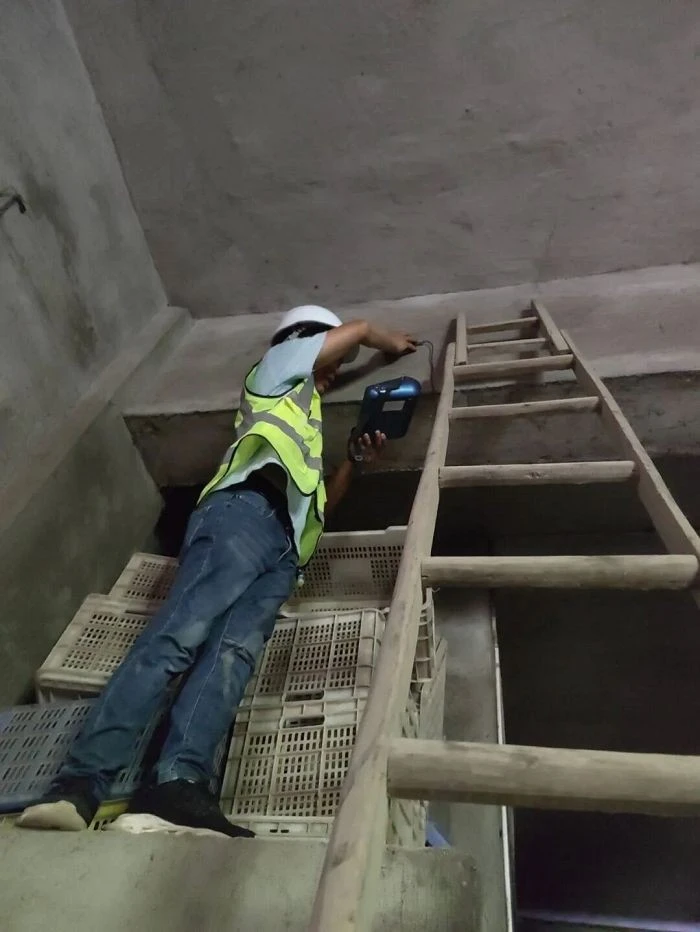
Material strength testing methods: rebound method, ultrasonic rebound comprehensive method (concrete/masonry strength), Leeb hardness method (steel strength), core drilling method (micro damage, review material strength);
Defect detection methods: ultrasonic testing (weld/pile integrity), visual inspection+photography and video recording (crack/damage distribution), ground penetrating radar (foundation underground defects);
Bearing capacity testing method: static load test (foundation/pile foundation bearing capacity), structural calculation software modeling and verification (overall bearing capacity/stability);
Monitoring method: Set up settlement/tilt monitoring points for short-term/long-term dynamic monitoring, analyze deformation development trends;
Comprehensive analysis method: Combining on-site inspection data, design materials, and usage conditions, using standardized formulas and software analysis to comprehensively evaluate the overall safety status of the building.
Evaluation and Conclusion Suggestions for the Overall Inspection Level of Buildings
The overall inspection level assessment of buildings is based on current standards, with a three-level progressive assessment from components, subunits, and appraisal units. The final overall safety level is issued, and targeted and practical handling suggestions are proposed. The level assessment results are the core basis for building use, rectification, and reinforcement.
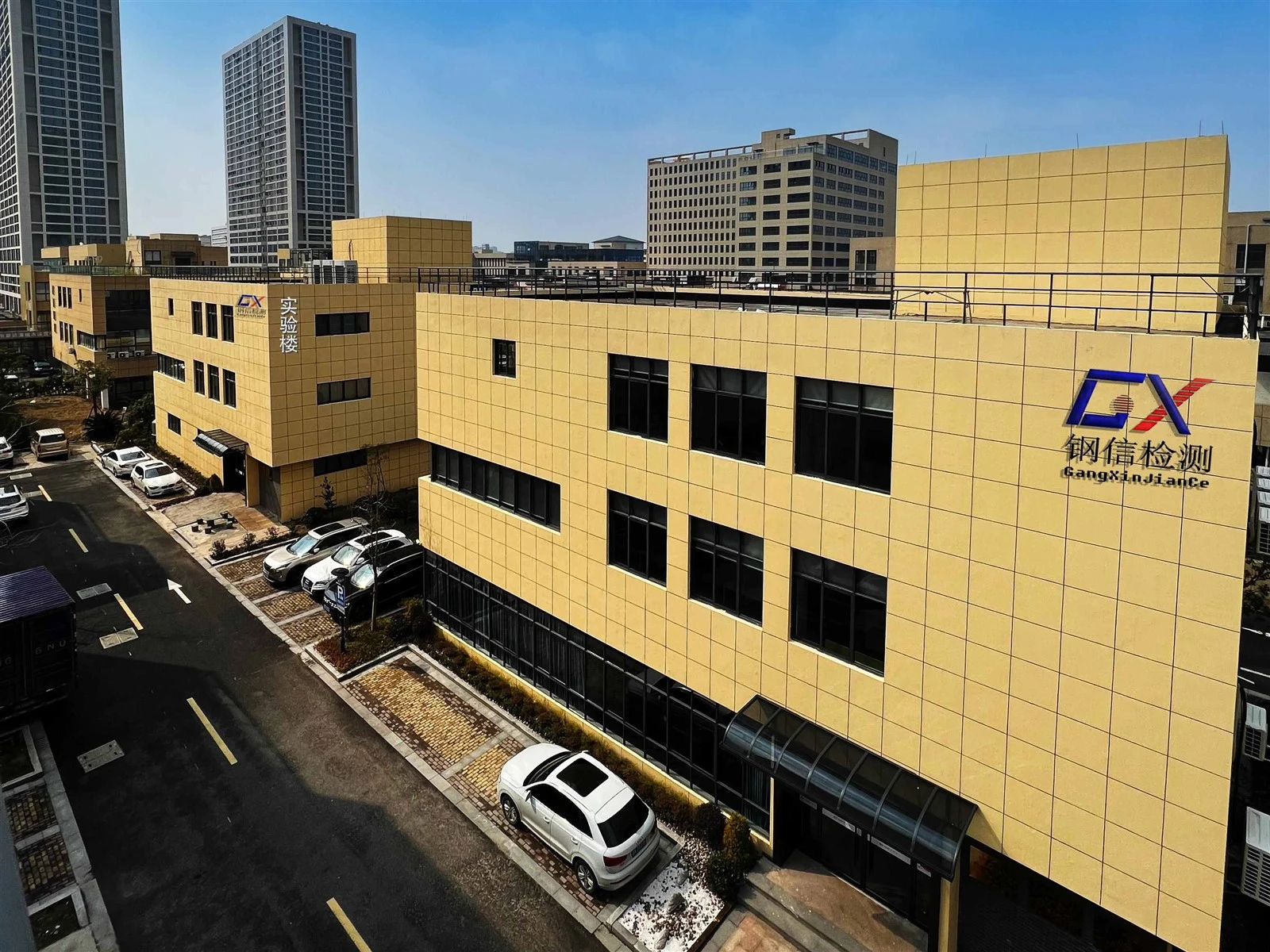
was established in 2011. As a national high-tech enterprise recognized by the Zhejiang Provincial Higher People's Court as a judicial authentication institution for construction engineering quality, we specialize in structural performance testing and safety assessment of construction projects, special equipment, communication towers, electromagnetic environments, large bridges, and building safety appraisal.
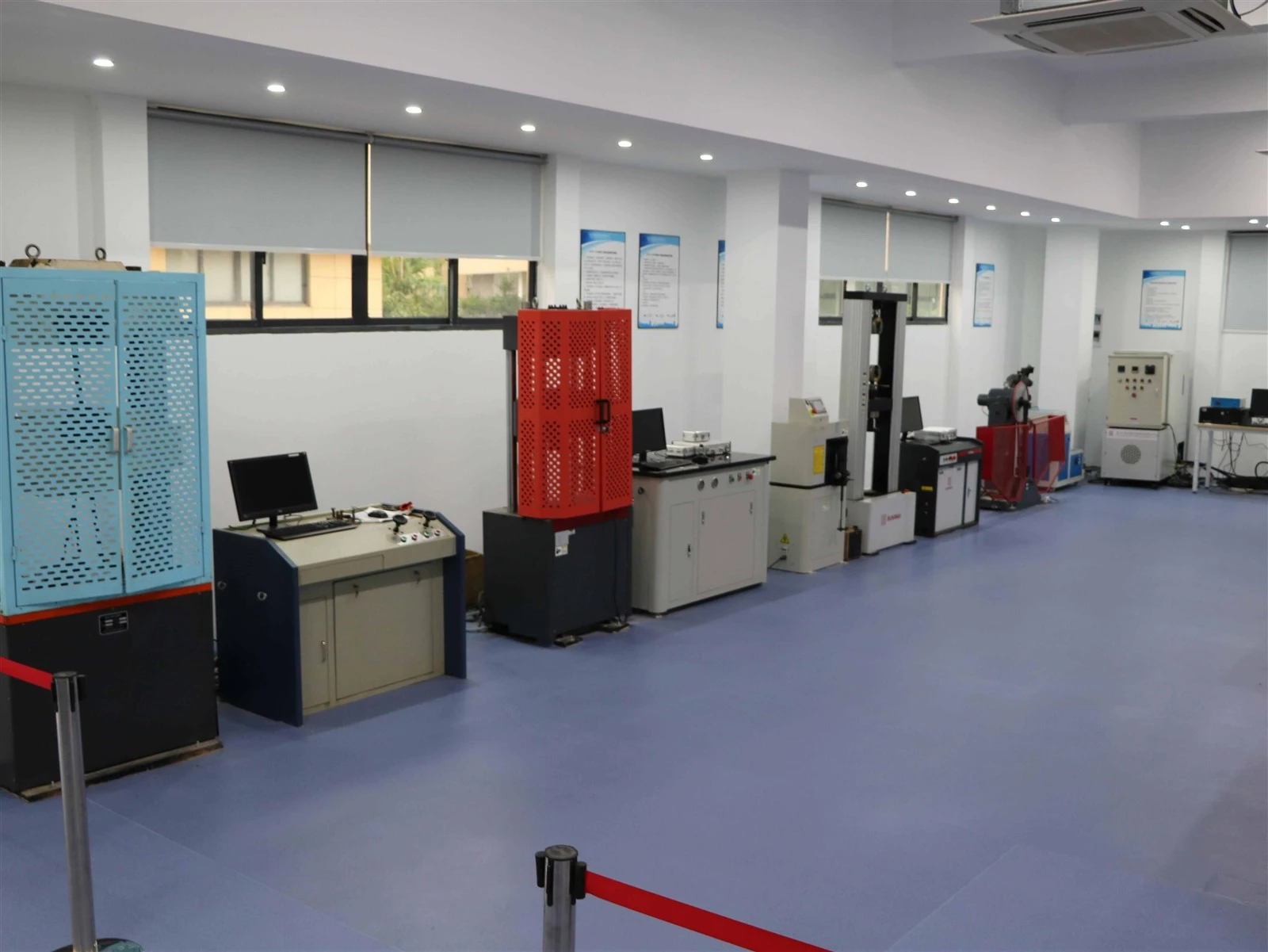
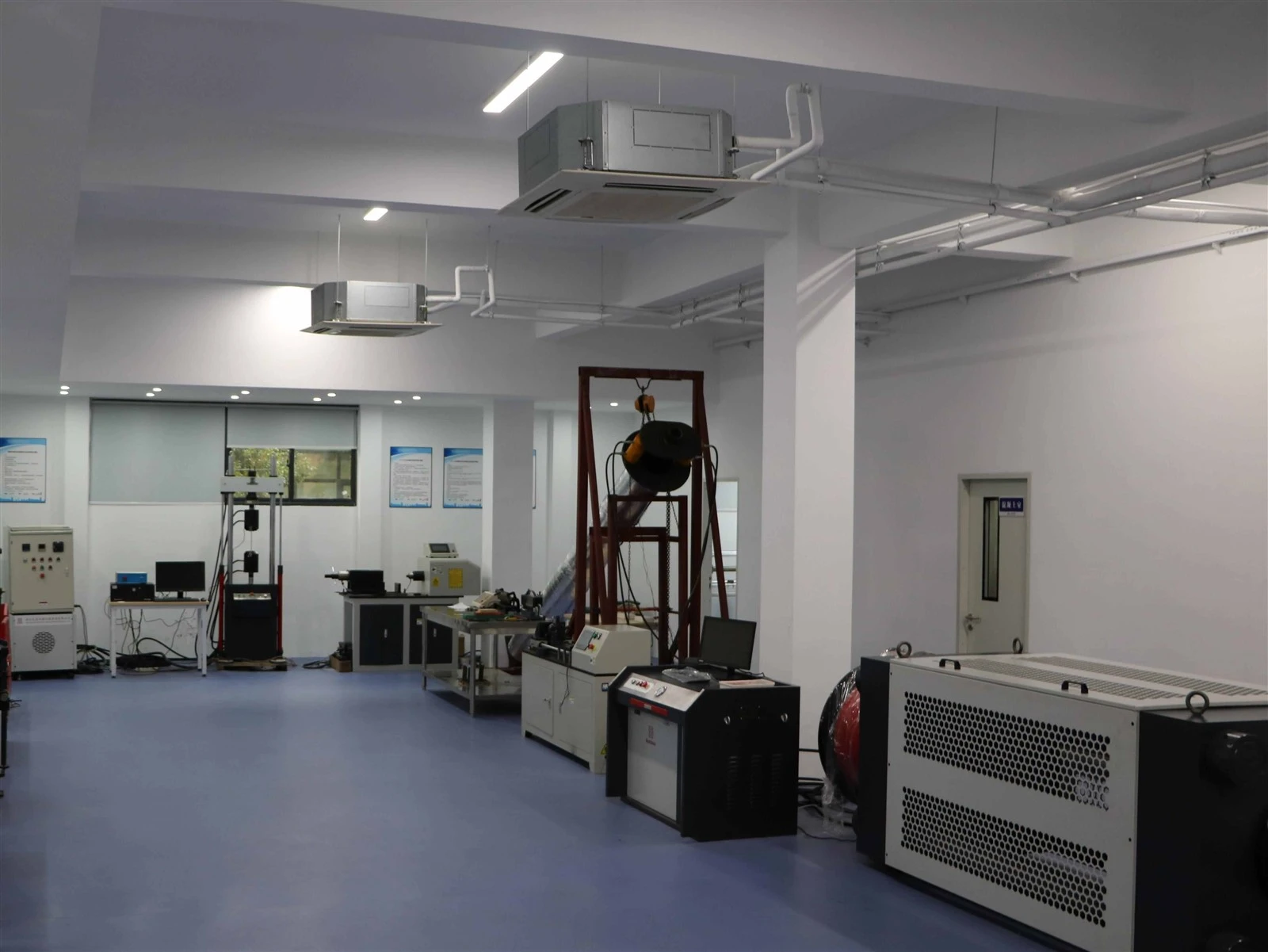
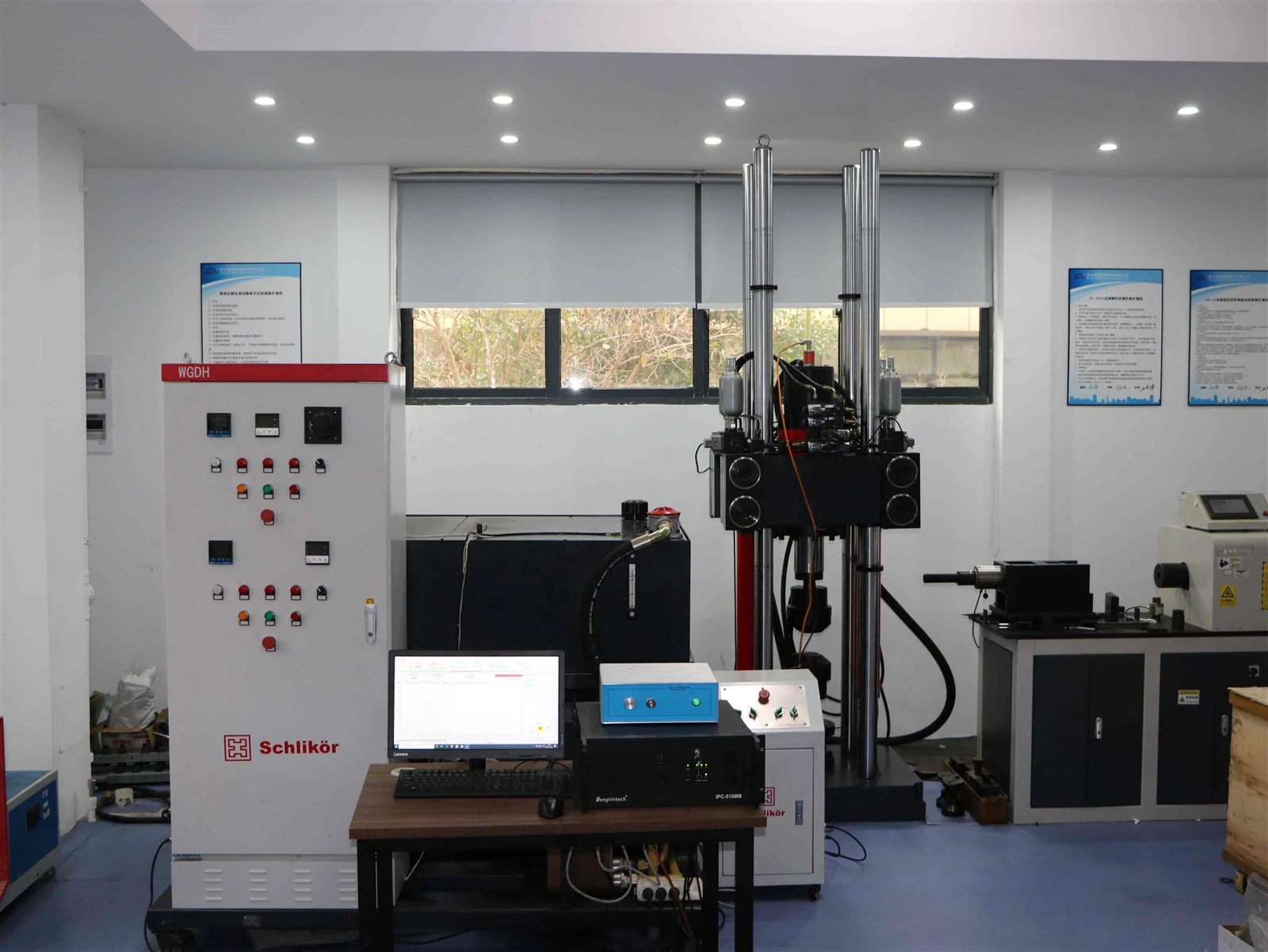
The company has more than 100 professional and technical personnel, over 90% of whom hold various medium and senior technical certificates. Equipped with complete testing equipment worth over RMB 10 million, our business scope covers the whole country.