


Pile Foundation Testing
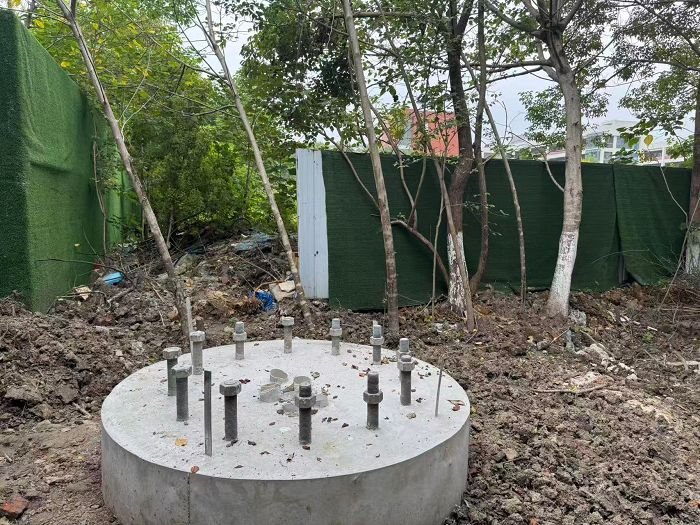
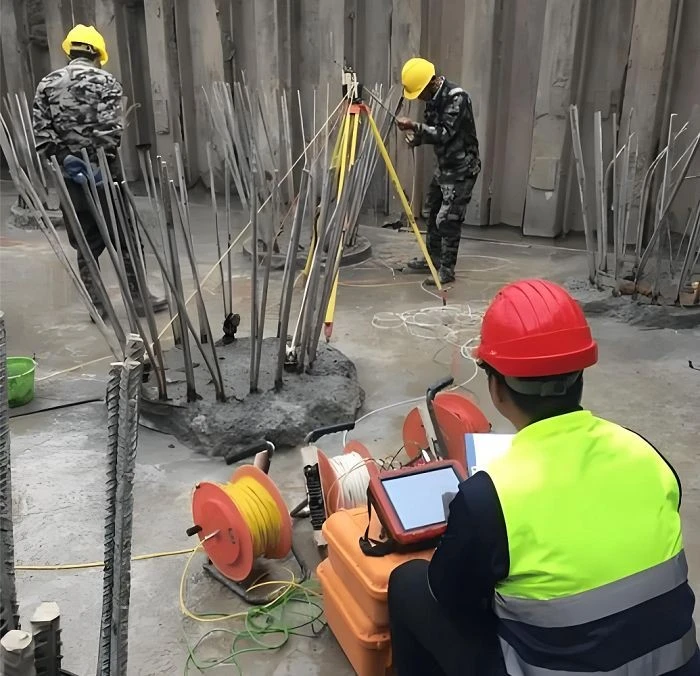
According to the "Technical Specification for Testing of Building Pile Foundations" (JGJ106-2014), the main methods for pile foundation testing include static load test, core drilling method, low-strain method, high-strain method, and acoustic transmission method, among others.
- Fast Delievery
- Quality Assurance
- 24/7 Customer Service
Product Introduction

Pile foundation testing
According to the "Technical Specification for Testing of Building Pile Foundations" (JGJ106-2014), the main methods for pile foundation testing include static load test, core drilling method, low-strain method, high-strain method, and acoustic transmission method, among others.
Testing contents
(1) Vertical or lateral bearing capacity testing of various piles, piers, and pile walls, including single-pile and group-pile bearing capacity testing;
(2) Bearing capacity and deformation characteristics of the bearing stratum at the pier bottom;
(3) Structural integrity testing of various piles, piers, and pile walls;
(4) Testing considering the combined action of pile and soil or the load sharing ratio of piles and soil in composite foundation, and the stress-strain of pile body and soil;
(5) Detection of environmental impacts during construction (such as vibration, noise, soil deformation);
(6) Other detections under special conditions or during accident handling.

Static load test method
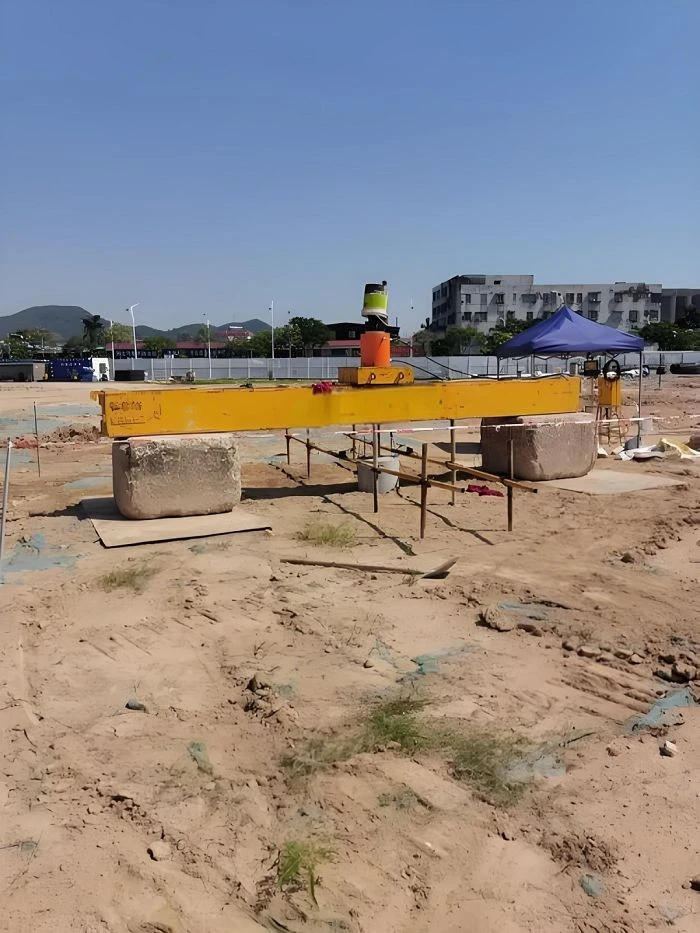
This is currently the most direct and reliable test method for detecting the vertical compressive bearing capacity of pile foundations. However, in engineering practice, it has been found that the problems of the reference pile sometimes are overlooked by the testing personnel, and there are often issues such as insufficient penetration depth of the reference pile and displacement during the test process.
Static load tests can be divided into: pile loading test and anchor pile method.
Core drilling method
This method has the characteristics of being scientific, intuitive, and practical. It is widely used in the detection of concrete cast-in-place piles. A complete and successful core drilling test can obtain the pile length, concrete strength of the pile body, thickness of the sediment at the bottom of the pile, and the integrity of the pile body, and determine or identify the rock and soil properties of the bearing stratum at the pile end. The influence of the core extraction technology on the detection is significant. In a certain project, the XY-1 type engineering drill rig was used, with a hard alloy single-tube drilling tool, a low-pressure slow-speed small pump quantity and dry drilling combined drilling method. The result was that the core extraction rate was less than 70%, the integrity of the core sample was extremely poor, and most of them were in the form of fragments. Later, the SCZ-1 type hydraulic drill rig was used, with a diamond single-action double-tube drilling tool, and the core extraction rate reached 99%. The core sample was in a relatively complete cylindrical shape. Therefore, the "Drilling Machine Applicable Technical Specification" made corresponding regulations on the drilling machine and drill bit to avoid misjudgment in core extraction testing.
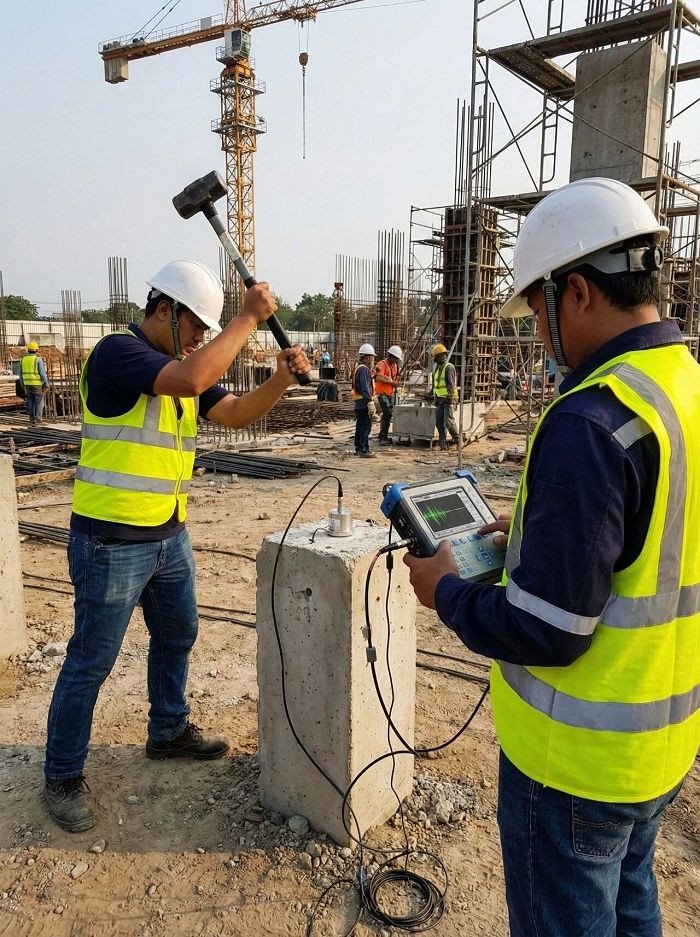
Reflection wave method
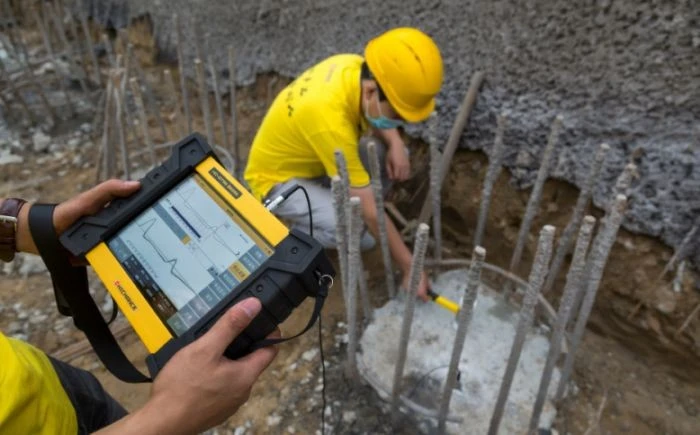
In China, most testing institutions use the reflection wave method (transient time-domain analysis method) to detect the integrity of pile bodies. The main reason is that its instrument is lightweight, and the on-site testing is fast. At the same time, the excitation method, frequency domain analysis method, etc. are integrated as testing and auxiliary analysis means. Of course, when using the low-strain method for detection, regardless of the type of defect, its overall performance is that the impedance of the pile decreases, and it is difficult to distinguish the nature of the defect. This is its greatest limitation.
High strain method
Its main function is to determine whether the vertical compressive bearing capacity of the pile meets the design requirements. In determining the horizontal integrated cracks, prefabricated pile joints and other defects of the pile body, the high strain method can, on the basis of identifying whether these "defects" affect the vertical compressive bearing capacity, reasonably determine the degree of the defect, and can be used as a supplementary verification means for the low strain method. In some areas, using the high strain method to increase the inspection frequency of bearing capacity and integrity has become a common practice.
Acoustic transmission method
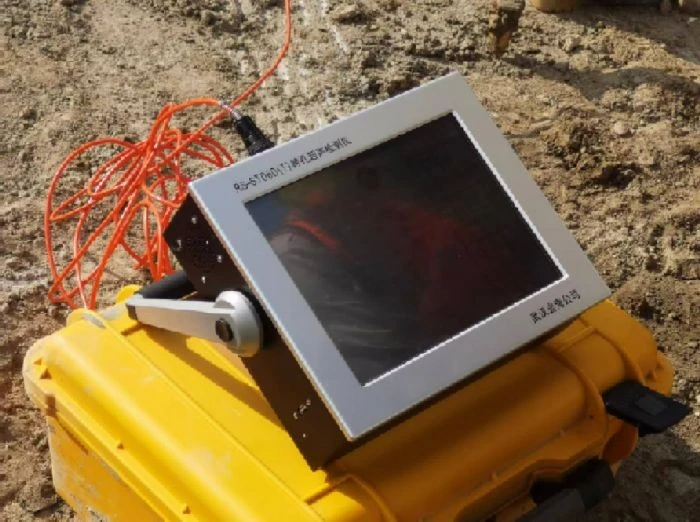
Compared with other integrity detection methods, the acoustic transmission method can conduct a comprehensive and detailed detection, and basically has no other restrictions. However, due to the existence of diffusion, transmission, and reflection, it will affect the detection results. In recent years, multi-channel ultrasonic testing instruments have emerged, which have greatly increased the detection efficiency. This detection method is to obtain a set (section) of acoustic data, analyze the data, eliminate abnormal values, calculate the average value (sound velocity and wave amplitude), and then compare the data of each measurement point with the average value. If the value exceeds a certain range (such as a 6dB decrease in wave amplitude), it is considered that there is a defect at that point. This detection method can also be applied to the detection of underground continuous walls and water conservancy dam bodies.
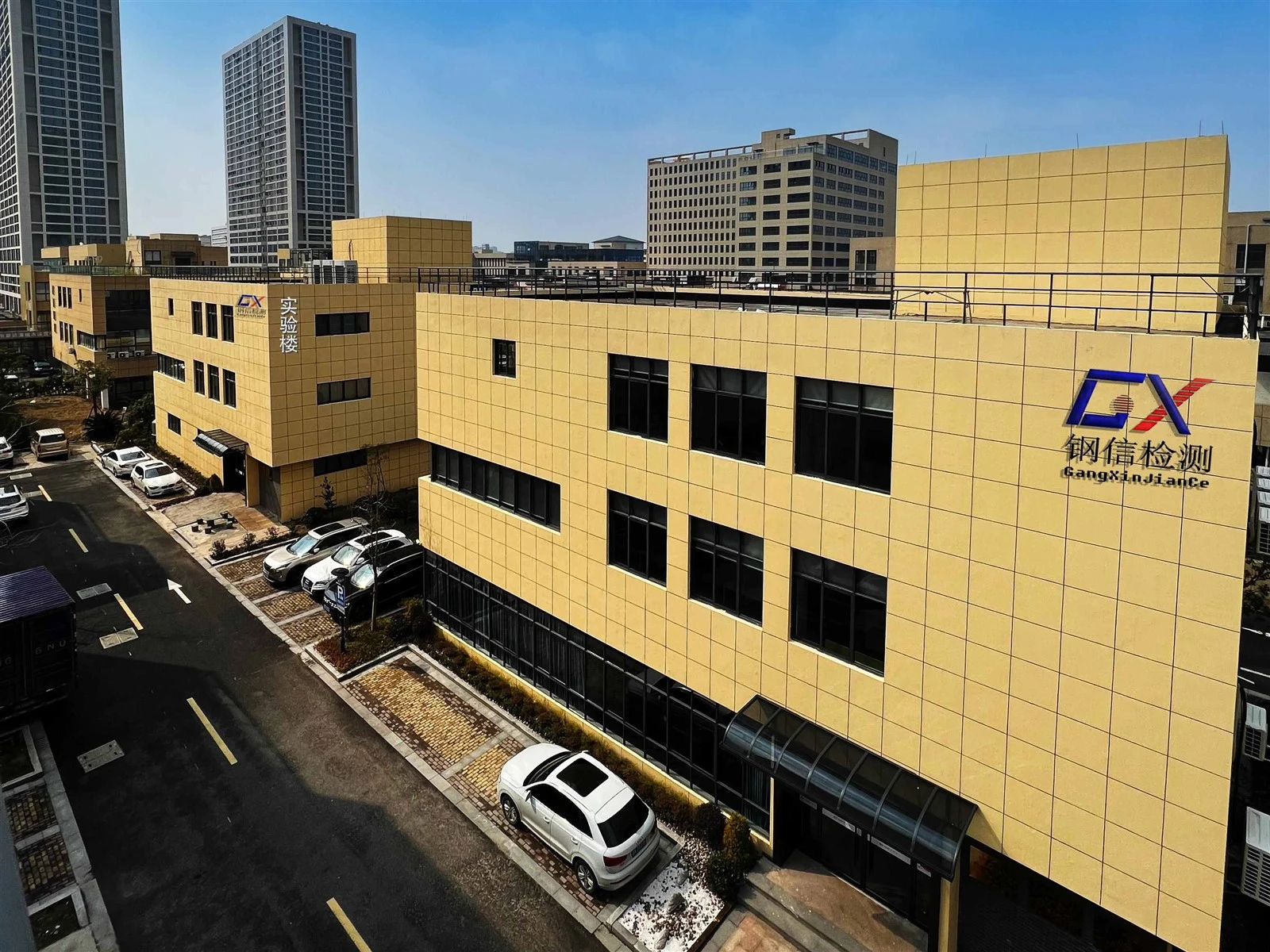
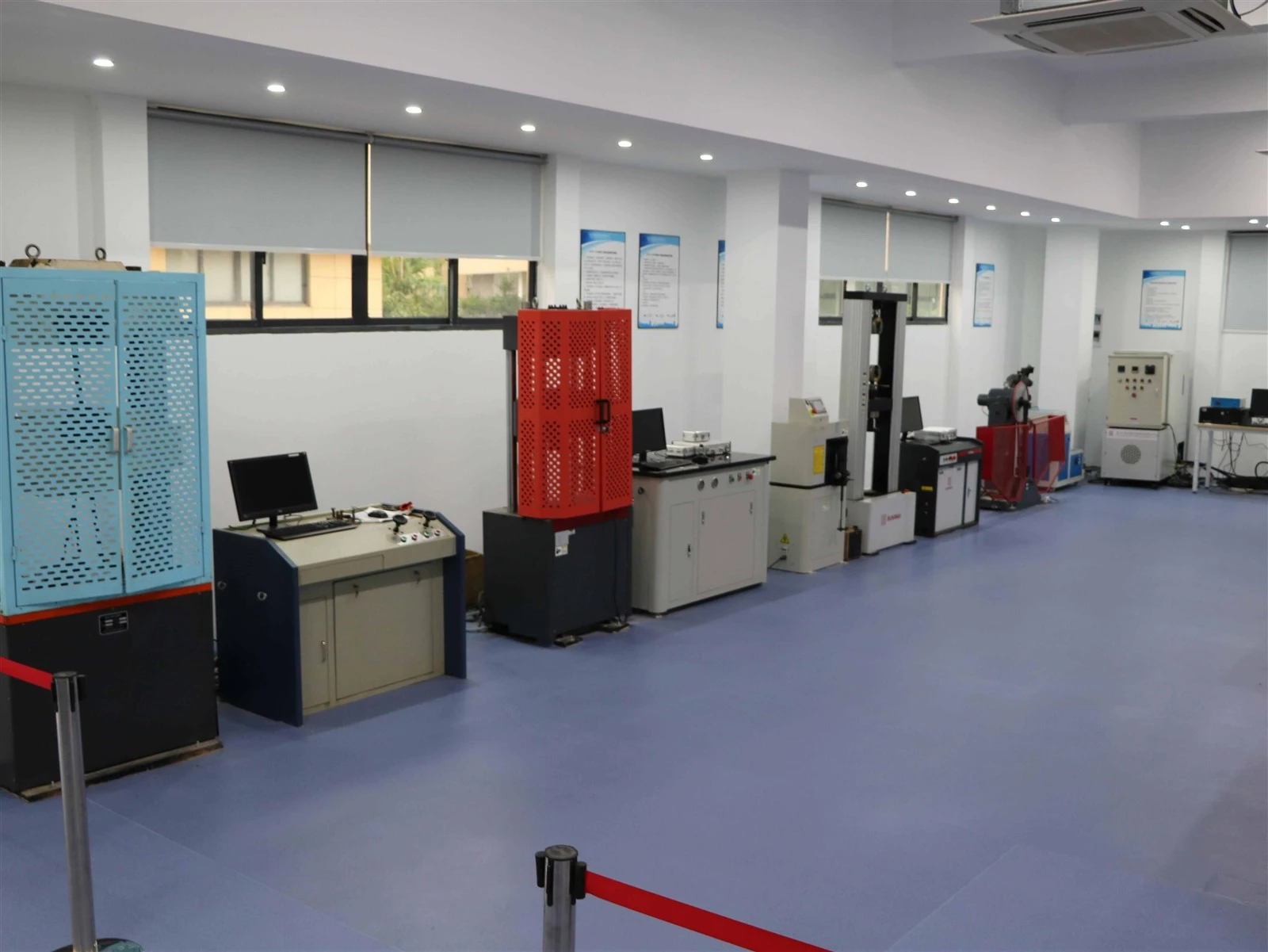
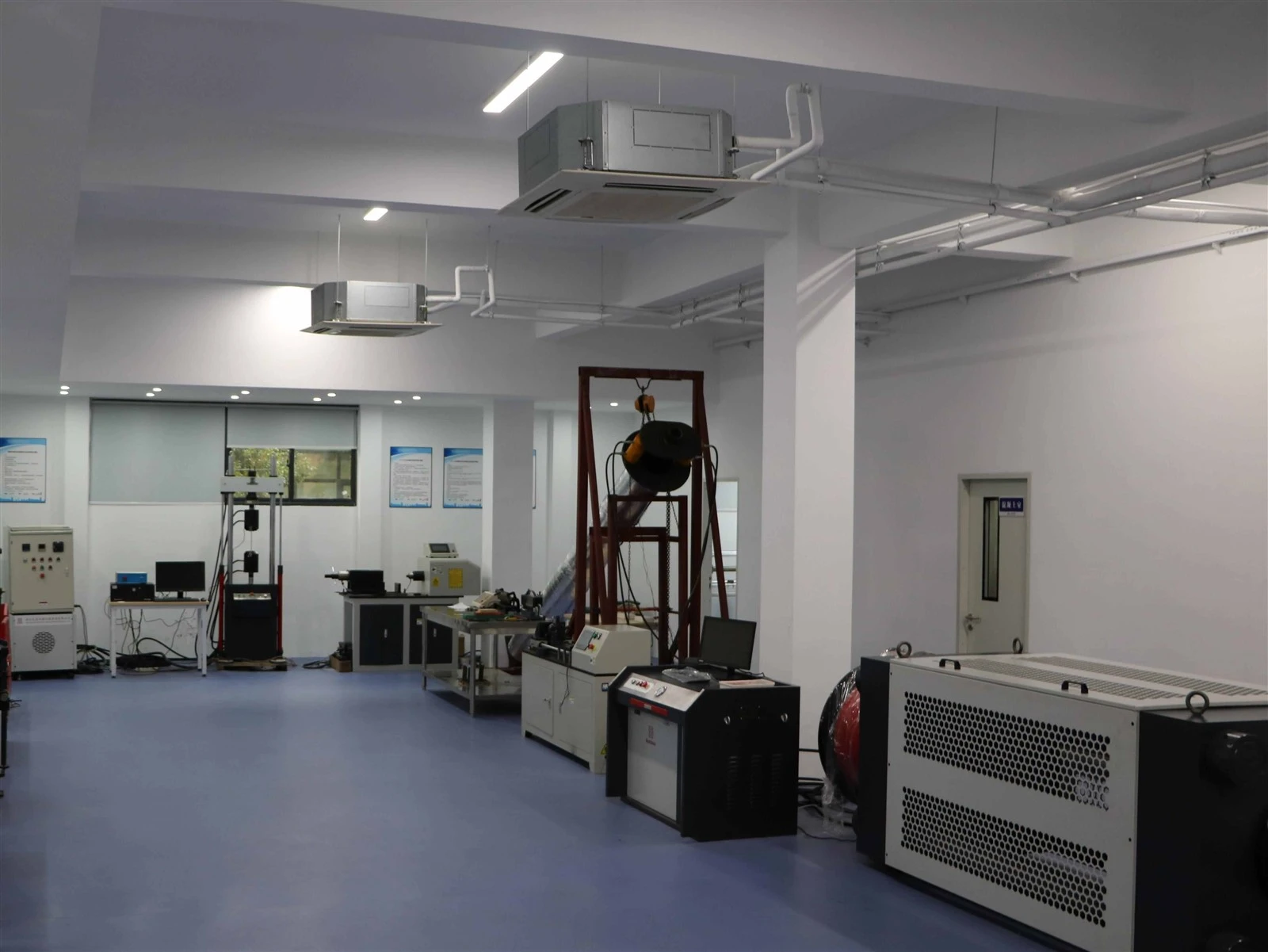
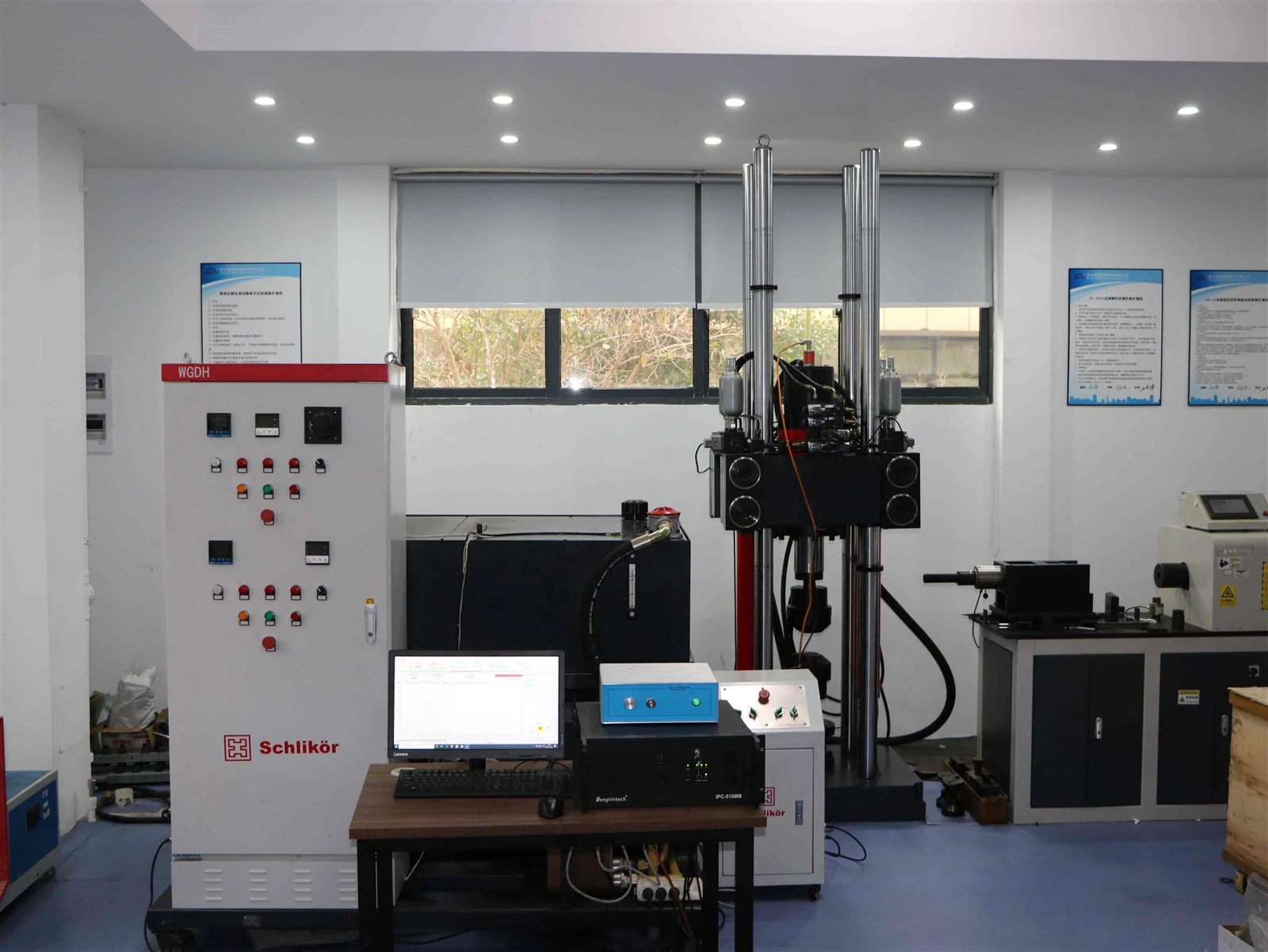
was established in 2011. As a national high-tech enterprise recognized by the Zhejiang Provincial Higher People's Court as a judicial authentication institution for construction engineering quality, we specialize in structural performance testing and safety assessment of construction projects, special equipment, communication towers, electromagnetic environments, large bridges, and building safety appraisal.
The company has more than 100 professional and technical personnel, over 90% of whom hold various medium and senior technical certificates. Equipped with complete testing equipment worth over RMB 10 million, our business scope covers the whole country.
No Information


