


Welding Process Evaluation
Applicable materials: Suitable for various weldable metal materials such as carbon steel, alloy steel, stainless steel, duplex steel, nickel based alloys, aluminum alloys, copper alloys, titanium alloys, as well as corresponding welding filler materials (welding rods, welding wires, fluxes, etc.).
- Fast Delievery
- Quality Assurance
- 24/7 Customer Service
Product Introduction

Scope of evaluation
Applicable materials: Suitable for various weldable metal materials such as carbon steel, alloy steel, stainless steel, duplex steel, nickel based alloys, aluminum alloys, copper alloys, titanium alloys, as well as corresponding welding filler materials (welding rods, welding wires, fluxes, etc.).
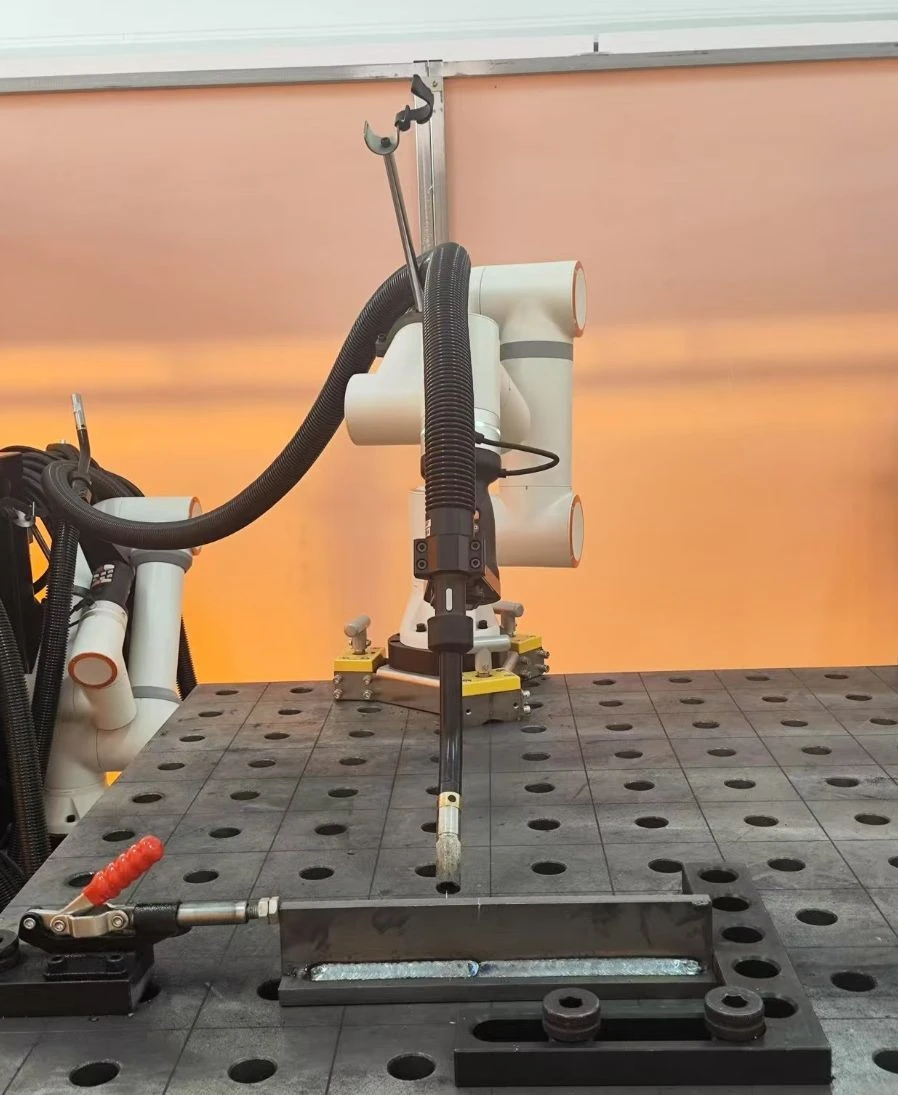
Applicable objects: including welding joints and seams made by various welding methods such as manual arc welding, submerged arc welding, gas shielded welding (MAG/MIG/TIG), plasma arc welding, resistance welding, etc., including pressure vessels, pipelines, steel structures, engineering machinery, ships, aerospace components, forged and cast welding parts, and various welded structural components (finished products, semi-finished products).
Applicable scenarios: Used for verifying welding process plans, evaluating the rationality of welding parameters (current, voltage, welding speed, preheating/post heating temperature, etc.), evaluating the adaptability of welding materials, accepting the quality of welding joints, analyzing welding defects, optimizing processes, verifying batch welding stability, reviewing welding process qualification reports (PQR), and arbitrating welding quality.
Evaluate the project
Reasonability evaluation of welding process: selection of welding method, setting of welding parameters, groove design, assembly gap, preheating/post heating process, interlayer temperature control, welding sequence, selection of filling materials, and evaluation of the rationality, economy, and safety of the process route.
Quality evaluation of welded joints: evaluation of weld formation (excess height, width, forming coefficient), smoothness of transition between weld and base metal, width of heat affected zone and uniformity of microstructure, and tightness testing of joint bonding.
Mechanical performance evaluation: Testing and conformity assessment of indicators such as tensile strength, impact strength, hardness (base metal, weld seam, heat affected zone zone hardness), bending strength, fatigue strength, fracture toughness, etc. of welded joints.
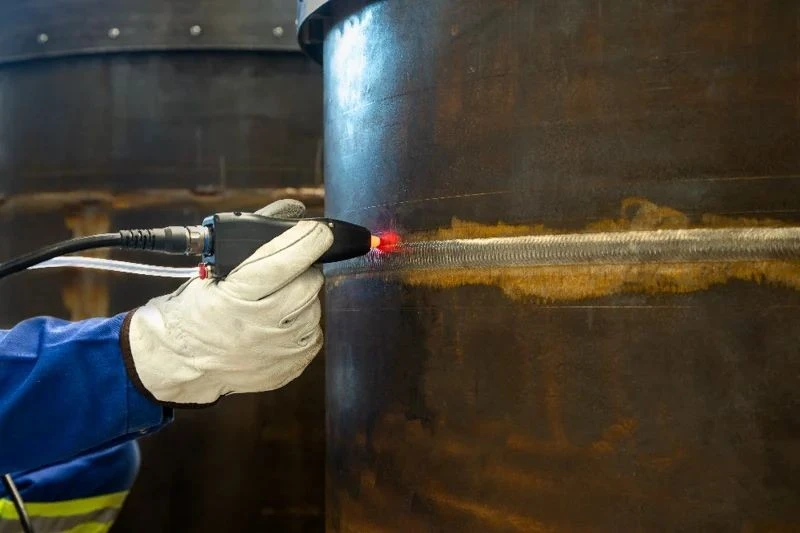
Appearance quality evaluation: Inspection and evaluation of appearance defects such as porosity, cracks, slag inclusion, incomplete penetration, incomplete fusion, undercutting, weld bead, spatter, and indentation on the surface of the weld seam, evaluation of surface cleanliness and forming consistency.

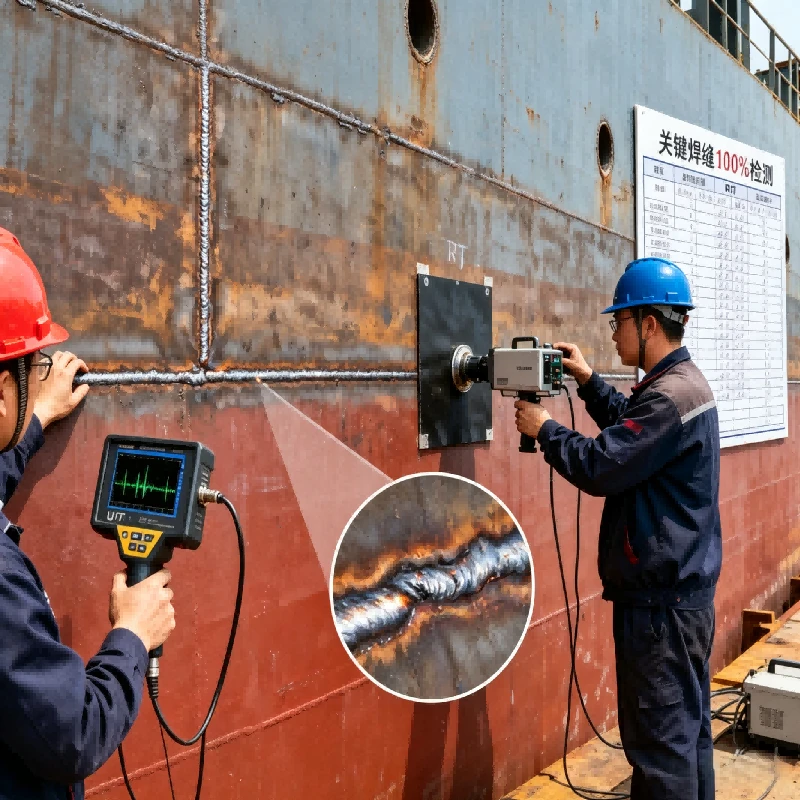
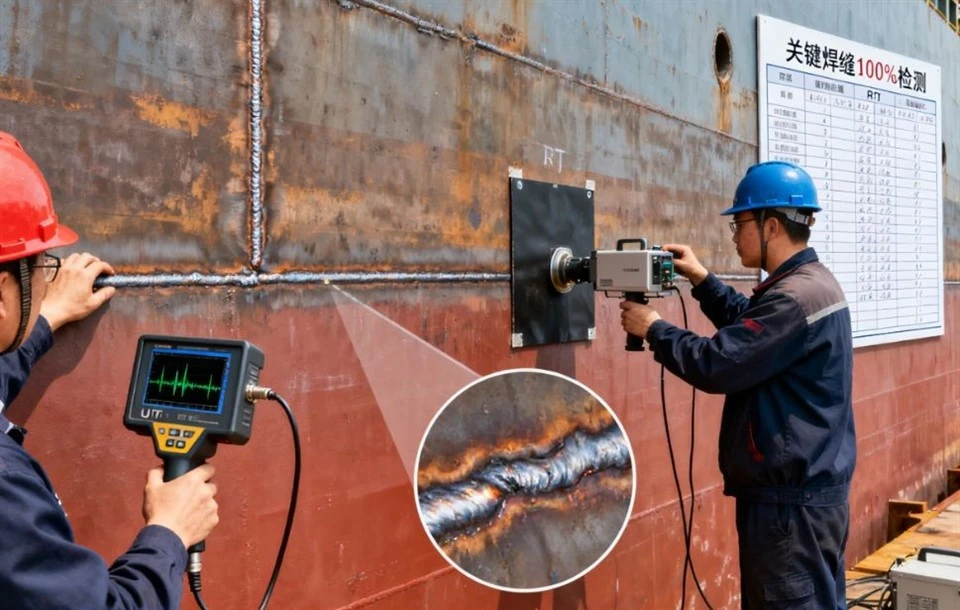
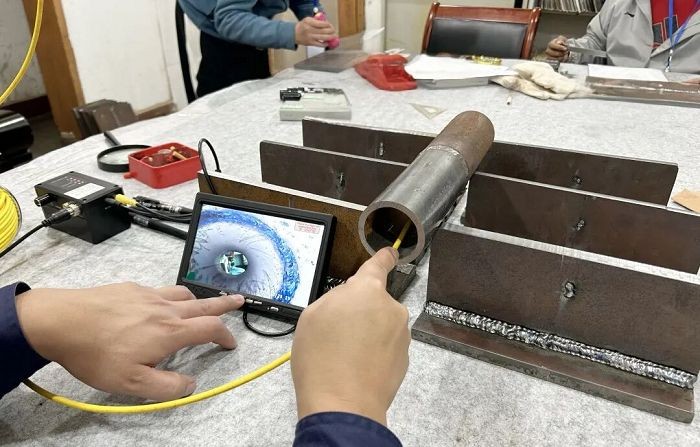
Internal quality evaluation: Non destructive testing methods such as radiation, ultrasound, magnetic powder, and penetration are used to assess the presence and severity of defects such as porosity, shrinkage, cracks, slag inclusions, lack of penetration, and lack of fusion inside the weld seam.
Welding defect analysis and judgment: Identify the types, locations, and sizes of various welding defects (cracks, incomplete penetration, slag inclusion, etc.), analyze the causes of defects (process parameters, operations, materials, fixtures, etc.), and propose improvement measures.
Welding stability evaluation: evaluation of batch welding joint quality consistency, size repeatability, defect rate, first pass rate, and the impact of welding parameter fluctuations on quality.
Fixture and equipment evaluation: Evaluation of the adaptability and operational stability of welding equipment (welding machine accuracy, current/voltage stability), fixtures (positioning accuracy, rigidity), and auxiliary equipment (preheating/post heating devices, protective gas systems).
Welding material evaluation: evaluation of the chemical composition, mechanical properties, and compatibility with the base material of the filler material (welding rod, welding wire, flux), the rationality of welding material storage and drying processes, and the impact on welding quality.
Process matching evaluation: the matching of welding process with forging, mechanical processing, heat treatment, surface treatment and other preceding and succeeding processes, and the rationality evaluation of the overall process chain.
Evaluation standards
GB/T 19418-2019 Welding Procedure Qualification for Steel
GB/T 2651-2024 Tensile test method for welded joints
GB/T 2653-2024 Welding Joint Bending Test Method
GB/T 2650-2024 Impact Test Method for Welded Joints
GB/T 26543-2021 Test Method for Hardness of Welded Joints
GB/T 5616-2023 Guidelines for Non destructive Testing Applications
GB/T 3323-2022 Method for Radiographic Testing of Metal Fusion Welded Joints
GB/T 11345-2013 Manual Ultrasonic Testing Methods and Acceptance Grades for Welds
NB/T 47013-2015 Non destructive Testing of Pressure Equipment
JB/T 6046-2017 Metallographic Inspection Method for Welded Joints of Carbon Steel and Low Alloy Steel
GB/T 8110-2024 Welding Wires for Carbon Steel and Low Alloy Steel Gas Shielded Arc Welding
ASTM E45-18 Standard Test Method for Determination of Inclusion Content in Steel
AWS D1.1/D1.1M Welding Code for Steel Structures
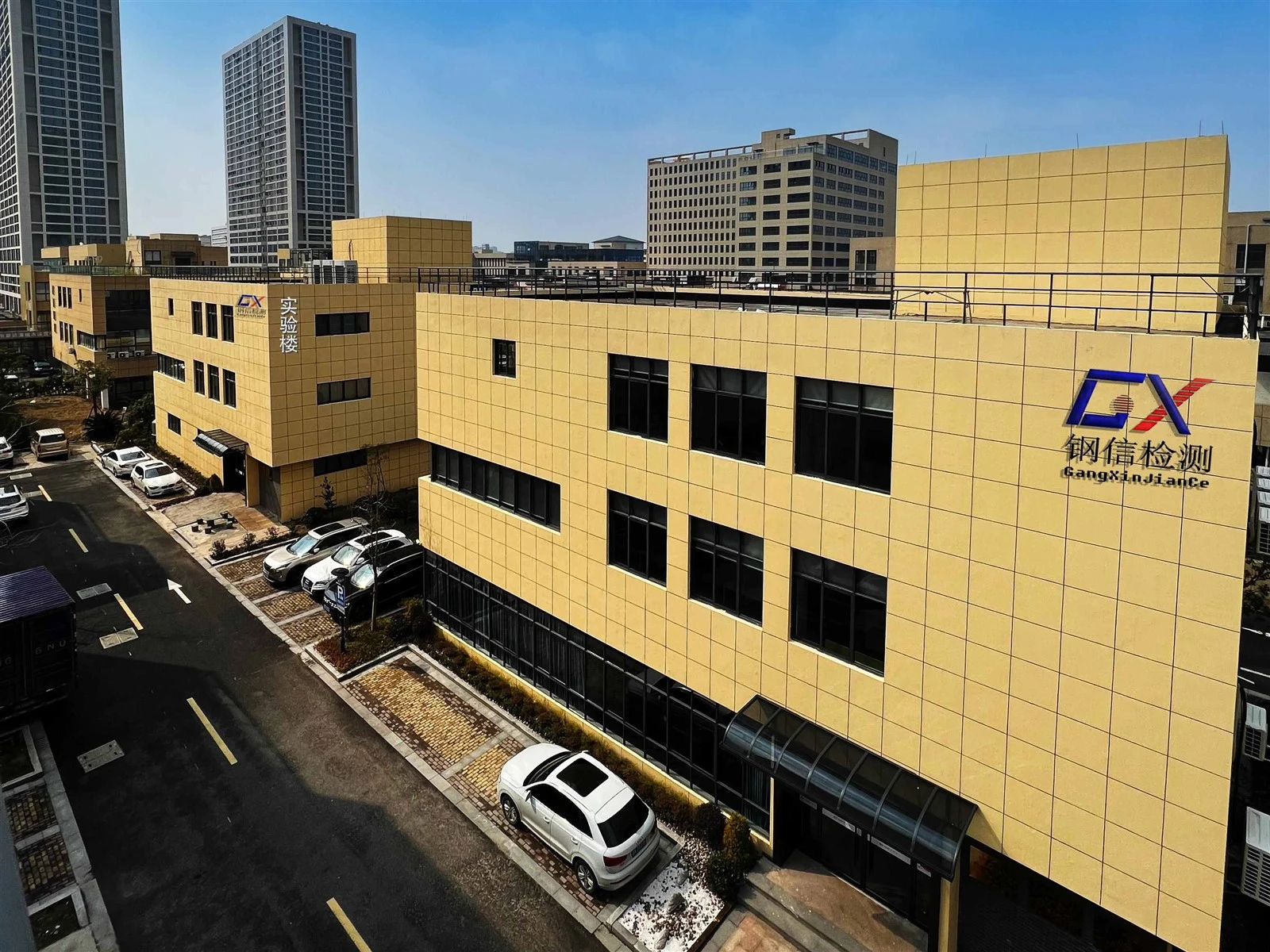
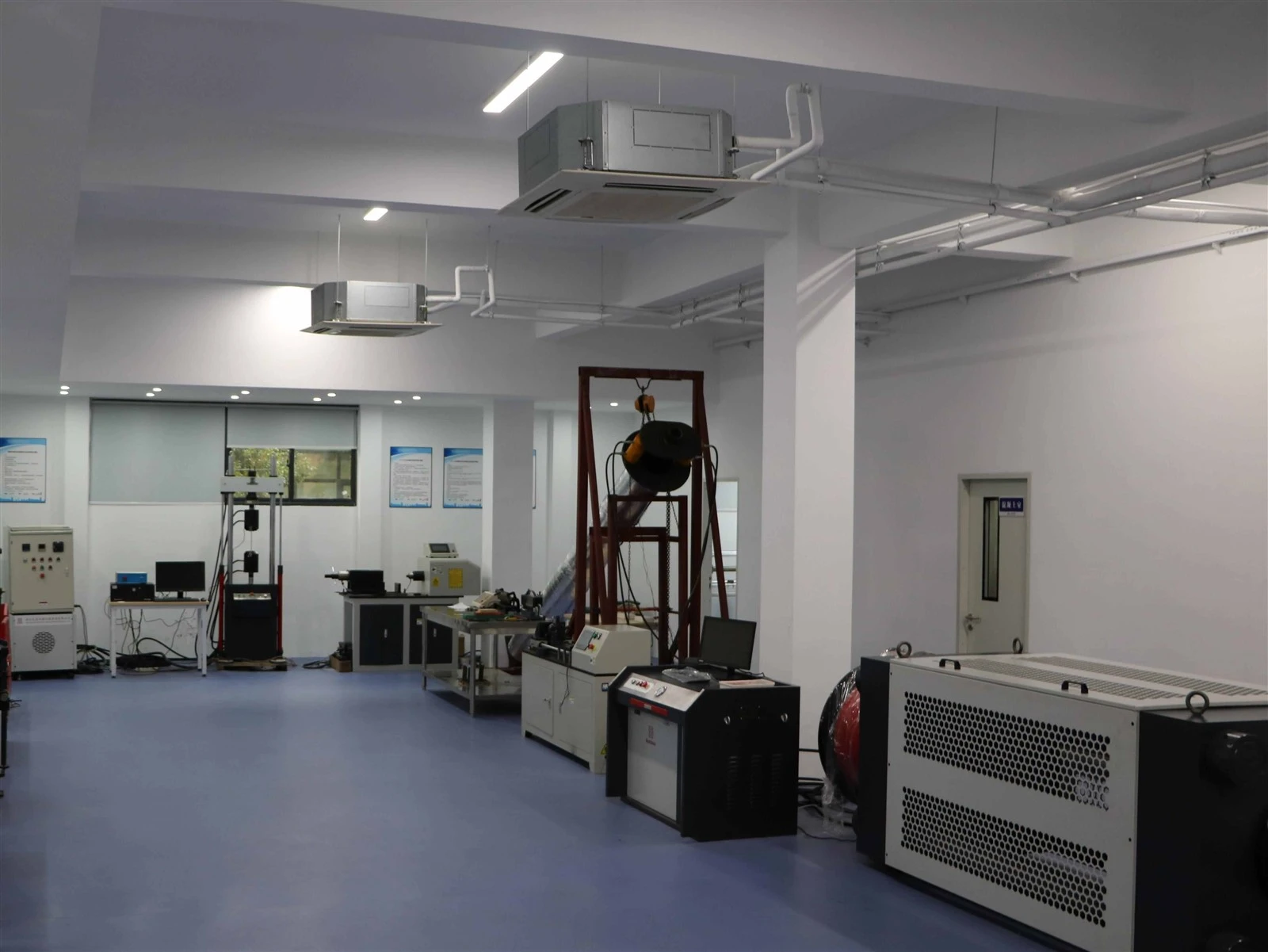
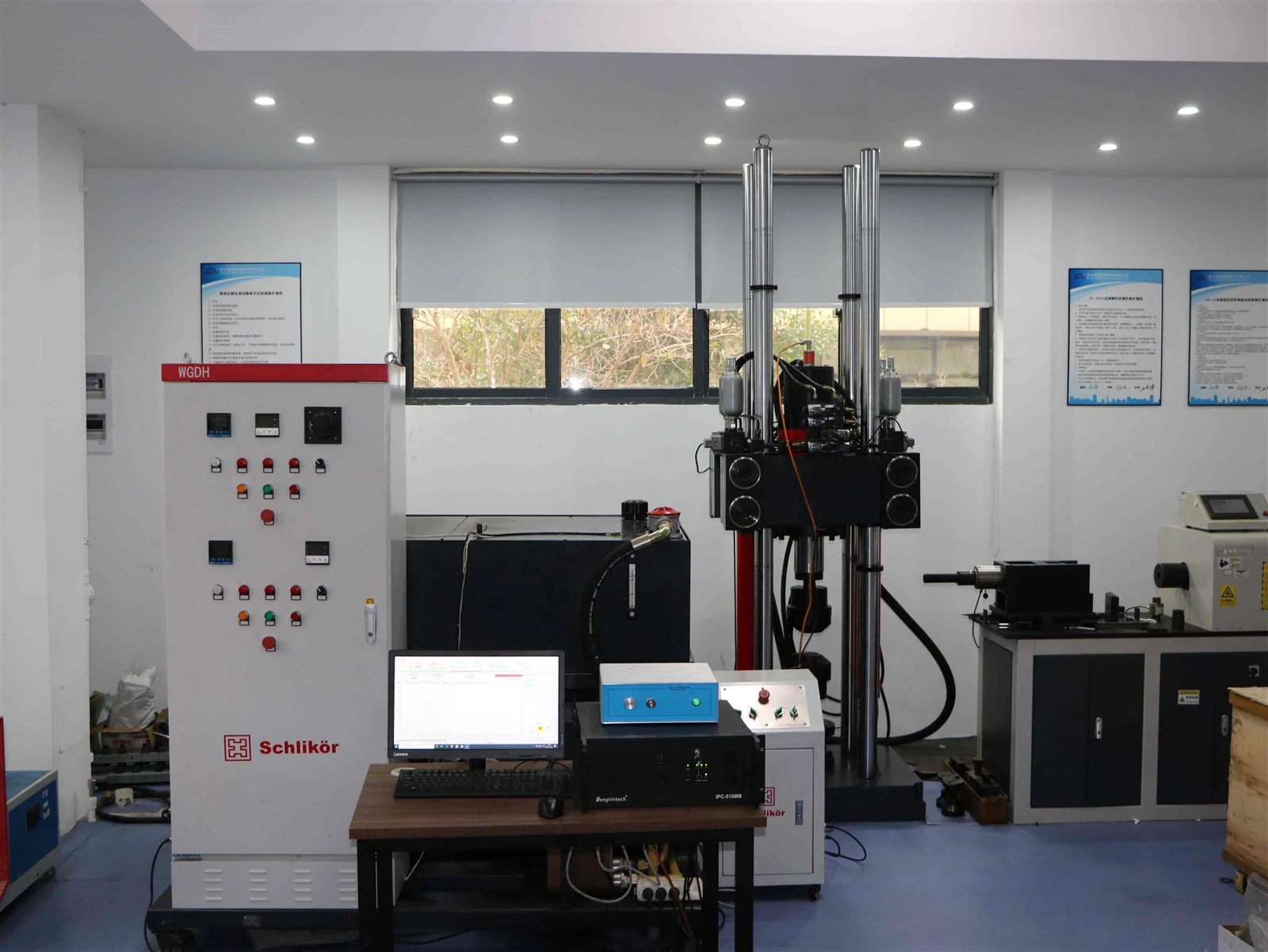
was established in 2011. As a national high-tech enterprise recognized by the Zhejiang Provincial Higher People's Court as a judicial authentication institution for construction engineering quality, we specialize in structural performance testing and safety assessment of construction projects, special equipment, communication towers, electromagnetic environments, large bridges, and building safety appraisal.
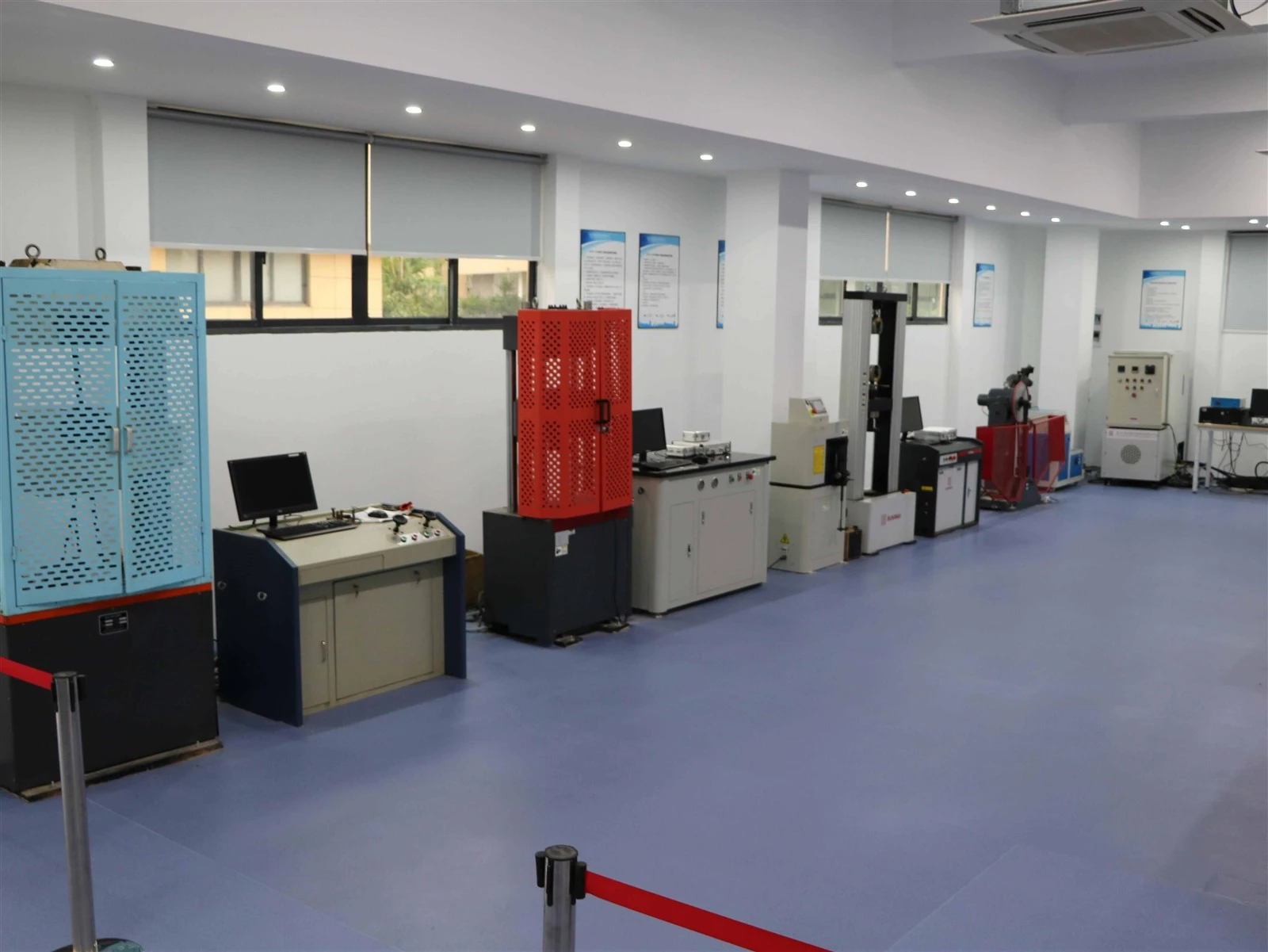
The company has more than 100 professional and technical personnel, over 90% of whom hold various medium and senior technical certificates. Equipped with complete testing equipment worth over RMB 10 million, our business scope covers the whole country.

No Information


