

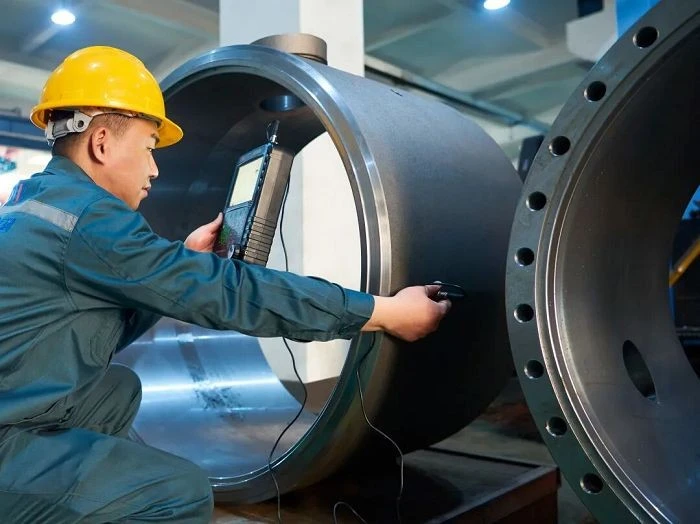
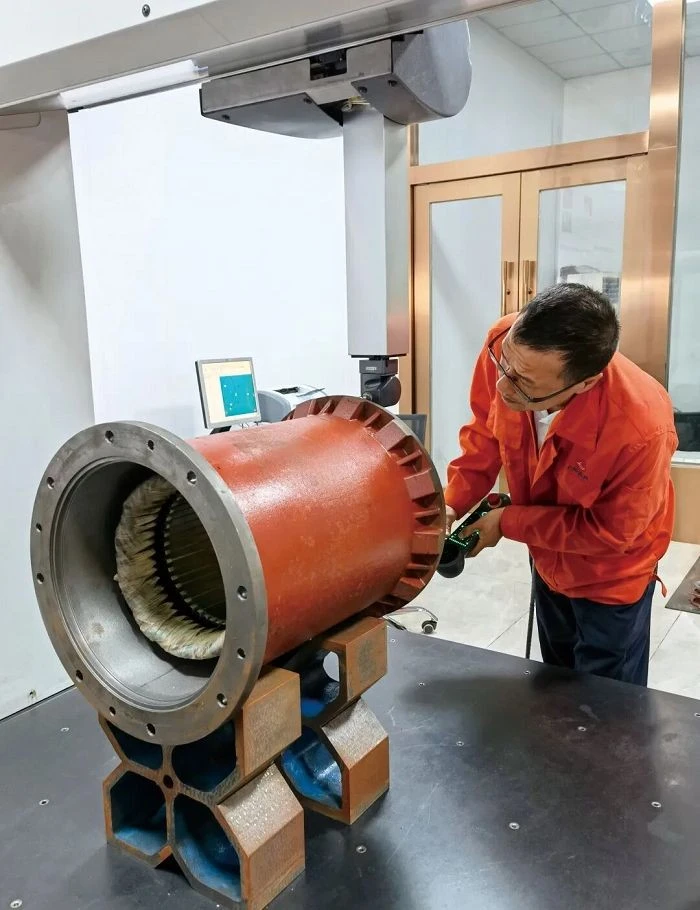
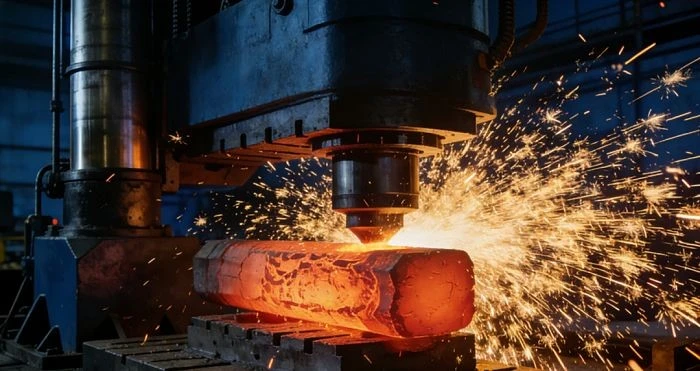
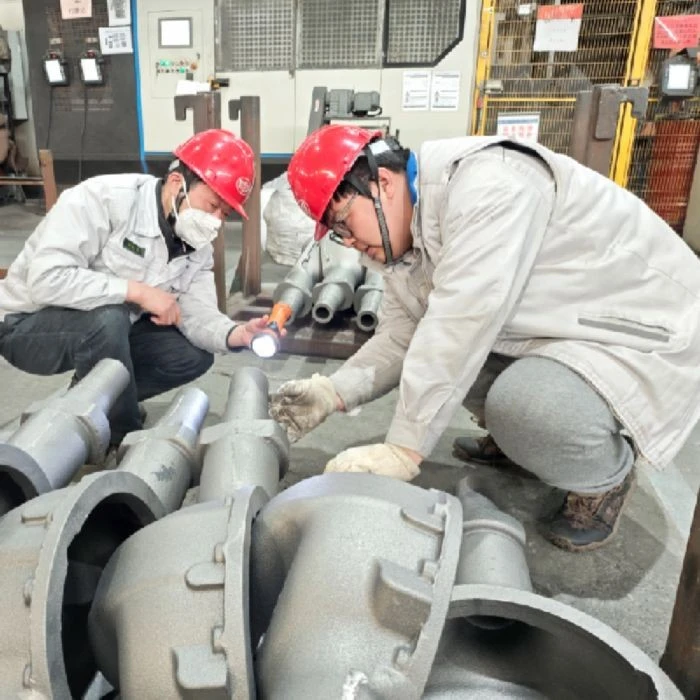
Forging Process Evaluation
Applicable materials: Suitable for various forging metal materials such as carbon steel, alloy steel, stainless steel, high-temperature alloy, titanium alloy, aluminum alloy, copper alloy, mold steel, etc.
- Fast Delievery
- Quality Assurance
- 24/7 Customer Service
Product Introduction

Scope of evaluation
Applicable materials: Suitable for various forging metal materials such as carbon steel, alloy steel, stainless steel, high-temperature alloy, titanium alloy, aluminum alloy, copper alloy, mold steel, etc.
Applicable objects: including free forgings, die forgings, precision forgings, shafts, gears, flanges, valve bodies, pressure vessel forgings, engineering machinery forgings, aerospace and equipment manufacturing forgings.
Applicable scenarios: Used for verifying forging process schemes, evaluating the rationality of heating and deformation parameters, accepting forging quality, evaluating mold status, analyzing forging defects, optimizing processes, and evaluating batch production stability.
Evaluate the project
Rationality evaluation of forging process: evaluation of forging temperature, heating system, forging ratio, deformation process, deformation rate, lubrication and cooling methods.
Internal organization and streamline evaluation: assessment of metallographic structure, grain size, metal streamline distribution, porosity, segregation, inclusions, and overheated/overburning microstructure.
Mechanical performance evaluation: Testing and conformity assessment of indicators such as tensile strength, impact strength, hardness, and cross-sectional shrinkage rate.
Dimensional accuracy and positional tolerance evaluation: detection and evaluation of external dimensions, machining allowance, coaxiality, flatness, perpendicularity, and symmetry.
Surface quality evaluation: Inspection and evaluation of defects such as surface cracks, folds, missing flesh, oxidation, decarburization, scratches, burrs, etc.
Forging defect analysis and judgment: Identify and analyze typical defects such as cracks, folds, looseness, segregation, decarburization, white spots, overheating, and overburning.
Evaluation of heat treatment compatibility: Evaluation of the compatibility between post forging heat treatment processes such as normalizing, annealing, quenching and tempering, and forging processes.
Mold and equipment evaluation: evaluation of mold wear, deformation, guiding accuracy, equipment tonnage, stroke, and reliability of temperature control system.
Batch forming stability and qualification rate evaluation: comprehensive evaluation of forging consistency, scrap rate, and process reliability.

Evaluation standards
GB/T 38082-2021 Forging Process Specification
GB/T 15826-2016 Dimensional tolerances for forgings
GB/T 13346-2013 Forging Metal Flow Line Inspection Method
GB/T 6394-2017 Metallographic examination method for metallic materials
GB/T 228.1-2021 Tensile Testing of Metallic Materials Part 1: Room Temperature Test Method
GB/T 229-2020 Metallic Materials - Charpy Pendulum Impact Test Method
GB/T 3075-2022 Fatigue Testing of Metallic Materials - Axial Force Control Method
JB/T 4386-2019 General Technical Conditions for Forgings
JB/T 5439-2019 Steel billets for forging
NB/T 47008-2017 Carbon and Alloy Steel Forgings for Pressure Equipment
was established in 2011. As a national high-tech enterprise recognized by the Zhejiang Provincial Higher People's Court as a judicial authentication institution for construction engineering quality, we specialize in structural performance testing and safety assessment of construction projects, special equipment, communication towers, electromagnetic environments, large bridges, and building safety appraisal.
The company has more than 100 professional and technical personnel, over 90% of whom hold various medium and senior technical certificates. Equipped with complete testing equipment worth over RMB 10 million, our business scope covers the whole country.