



Corrosion Failure Analysis
Applicable materials: Suitable for various metal and alloy components such as carbon steel, alloy steel, stainless steel, duplex steel, nickel based alloys, aluminum alloys, copper alloys, titanium alloys, etc.
- Fast Delievery
- Quality Assurance
- 24/7 Customer Service
Product Introduction

Detection range
Applicable materials: Suitable for various metal and alloy components such as carbon steel, alloy steel, stainless steel, duplex steel, nickel based alloys, aluminum alloys, copper alloys, titanium alloys, etc.
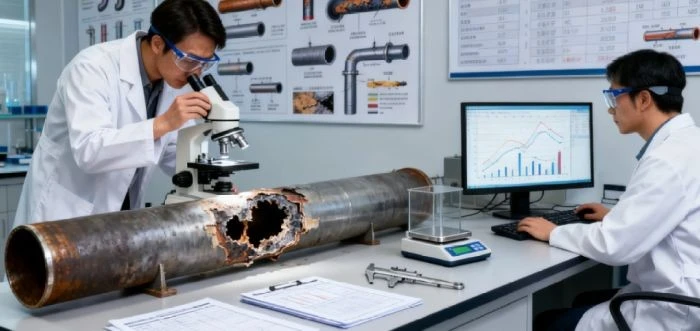
Applicable objects: covering pressure vessels, pipelines, valves, flanges, heat exchange equipment, marine structures of ships, chemical equipment, boilers, fasteners, welded structures, and various components that fail to function in corrosive environments.
Applicable environment: including corrosive environments such as atmosphere, seawater, soil, acid-base salt media, high temperature and high pressure, chloride ions, hydrogen sulfide, circulating cooling water, etc.
Testing items
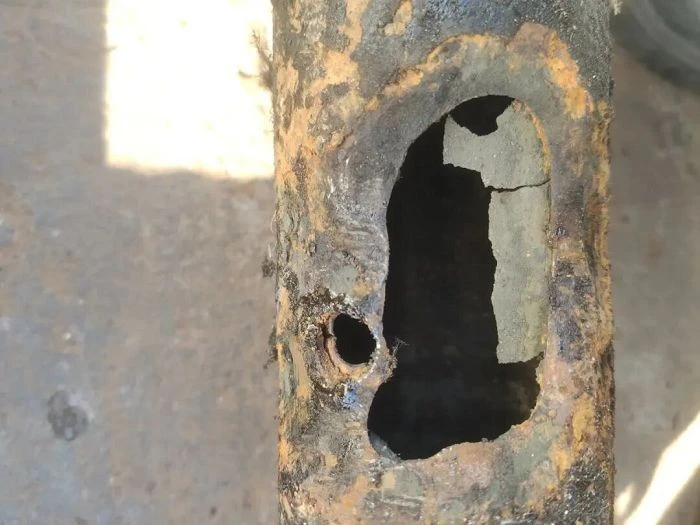
Macro analysis: appearance inspection, corrosion morphology recording, failure location, preliminary judgment of failure mode.
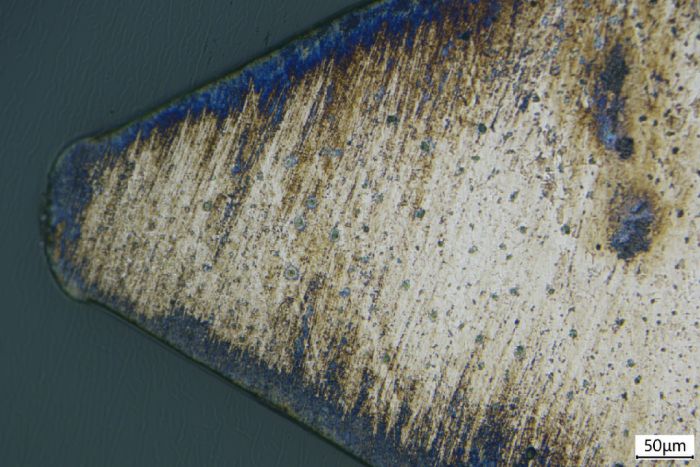
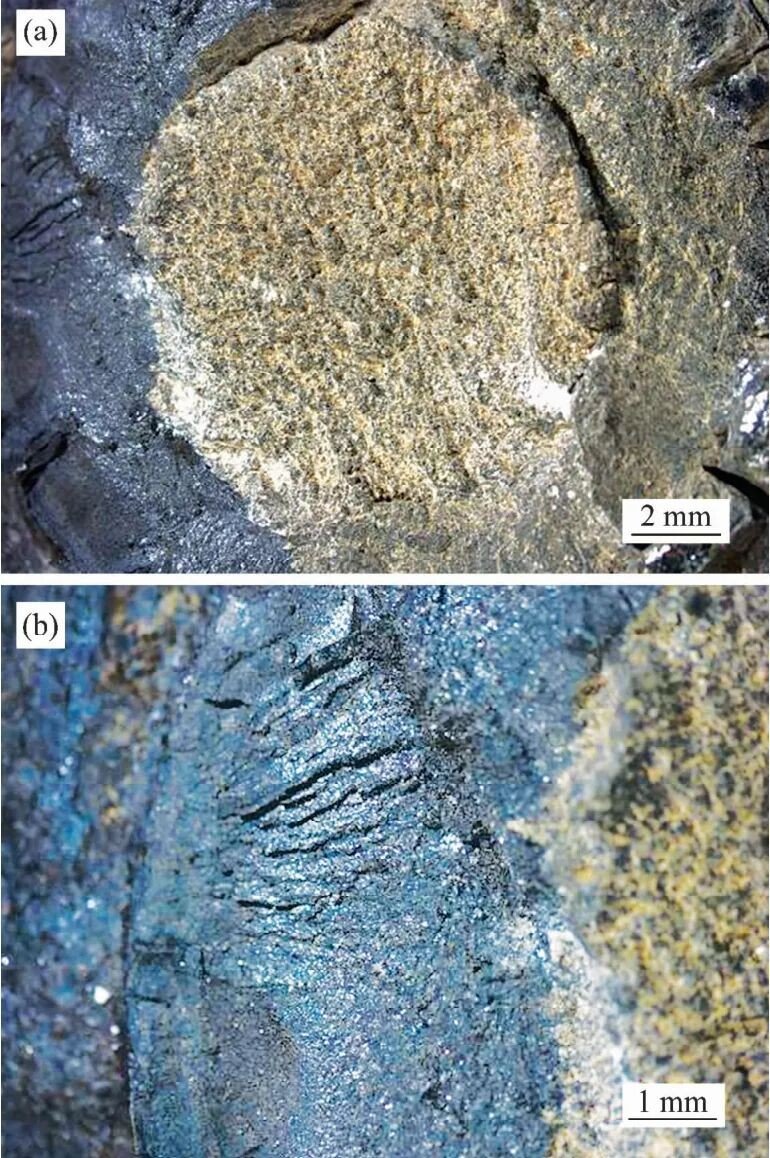
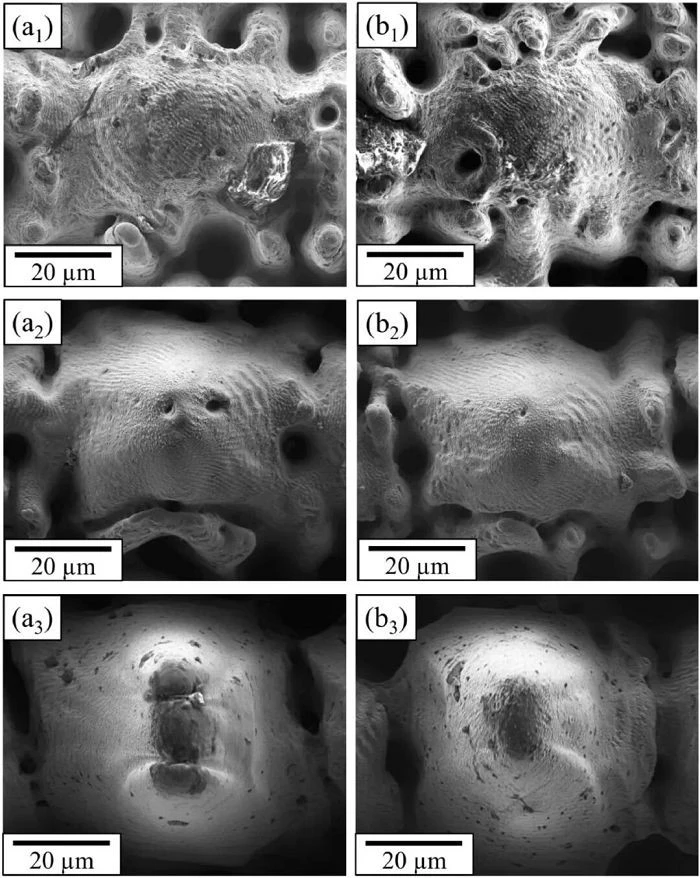
Microscopic analysis: metallographic structure analysis, observation of corrosion product morphology, intergranular corrosion, pitting corrosion, crevice corrosion, stress corrosion, hydrogen induced cracking and other microscopic characteristic analysis.
Composition analysis: Analysis of matrix material composition, corrosion product composition, surface sediment, and medium composition.
Mechanical performance verification: Review of hardness, tensile, impact and other properties to determine the material and heat treatment status.
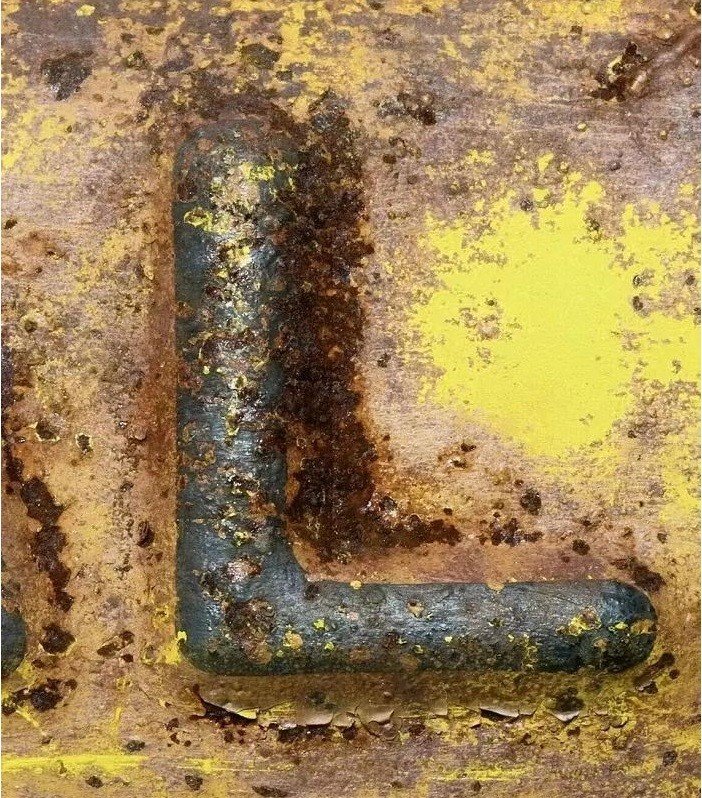
Corrosion type determination: including uniform corrosion, pitting corrosion, crevice corrosion, intergranular corrosion, galvanic corrosion, stress corrosion cracking, corrosion fatigue, hydrogen embrittlement, sulfide stress cracking, etc.
Corrosion rate and remaining life assessment.
Comprehensive analysis of failure causes: comprehensive judgment of multiple factors such as materials, environment, stress, process, assembly, use and maintenance.
Suggestions for failure prevention and improvement measures.

Testing standards
GB/T 19292.1-2018 Corrosion of metals and alloys - Atmospheric corrosiveness - Part 1: Classification, determination and evaluation
GB/T 16545-2022 Basic Terminology and Definitions for Corrosion Testing of Metals and Alloys
GB/T 6461-2022 Metallic and other inorganic coatings on metal substrates - Rating of test specimens and test pieces after corrosion testing
GB/T 31309-2015 Destructive testing of welds in metallic materials - Corrosion test method for welded joints
GB/T 30066-2013 Corrosion Failure Analysis Guide for Metals and Alloys
GB/T 18590-2019 Corrosion pitting assessment method for metals and alloys
GB/T 24196-2022 Corrosion of metals and alloys - Test method for intergranular corrosion
NB/T 47013.14-2021 Non destructive testing of pressure equipment Part 14: Leak detection
ASTM G1-03 Standard Guide for Preparation, Cleaning, and Evaluation of Corrosion Specimens
ASTM G46 Corrosion Failure Analysis Standard Guide
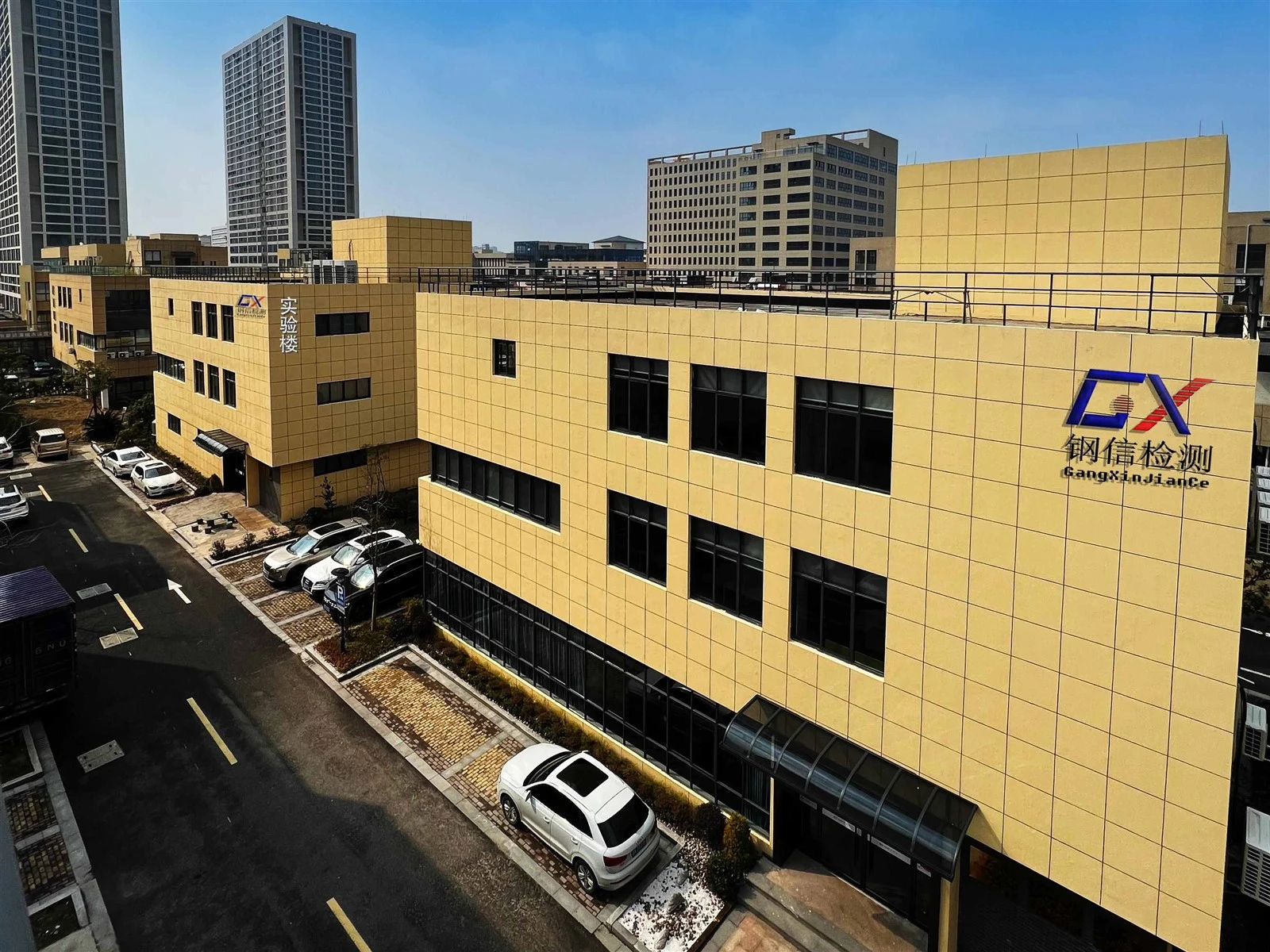
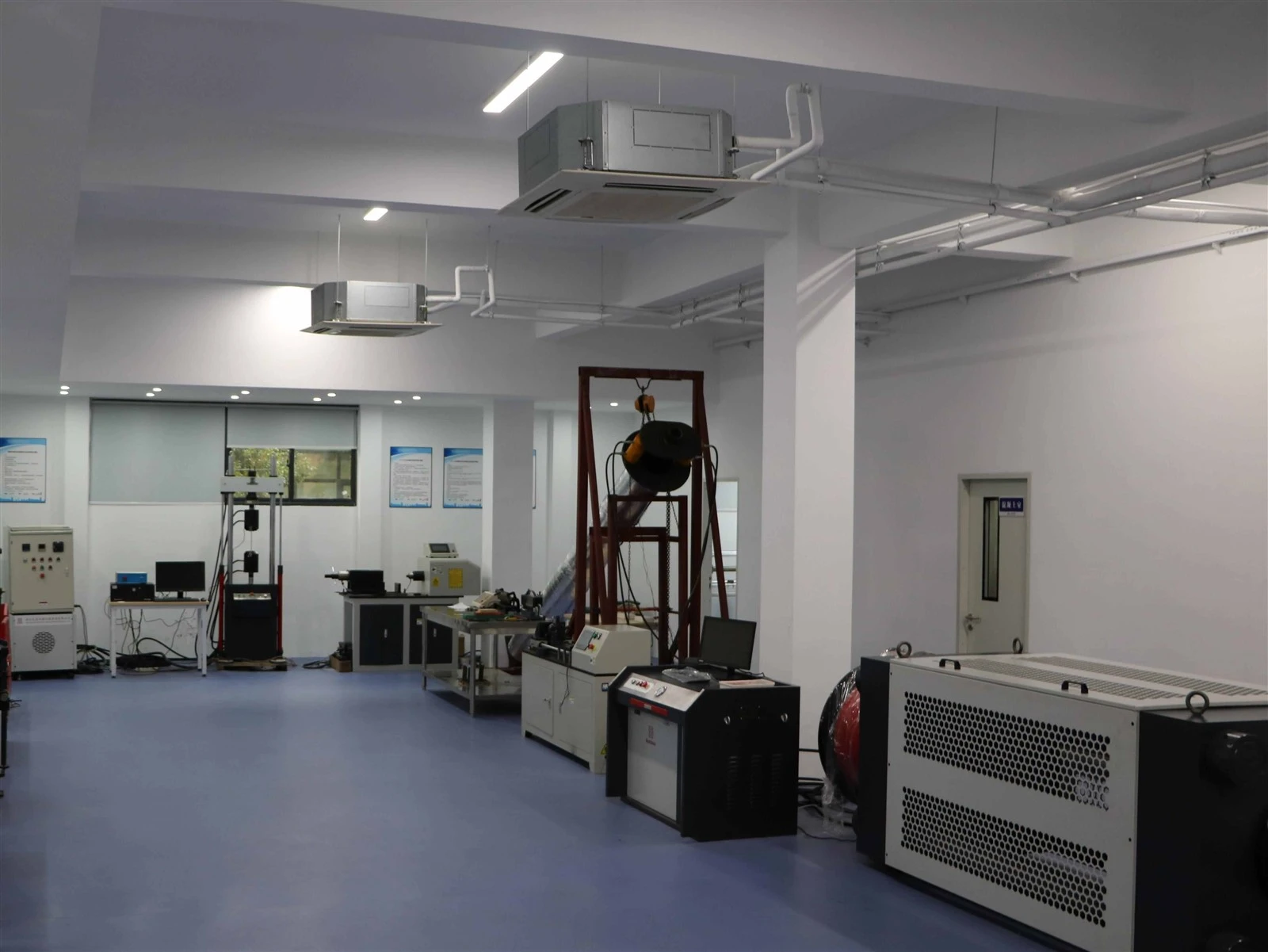
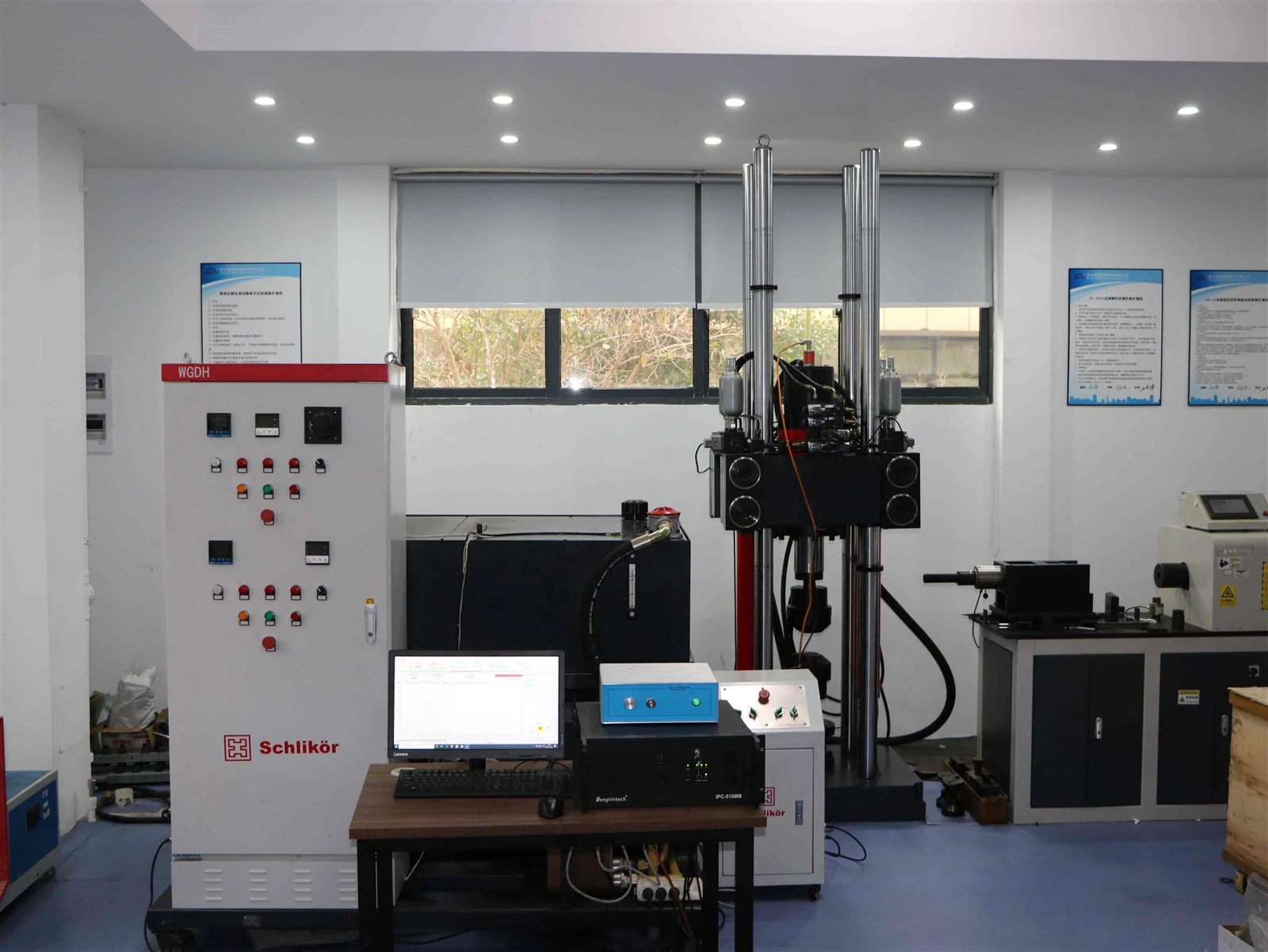
was established in 2011. As a national high-tech enterprise recognized by the Zhejiang Provincial Higher People's Court as a judicial authentication institution for construction engineering quality, we specialize in structural performance testing and safety assessment of construction projects, special equipment, communication towers, electromagnetic environments, large bridges, and building safety appraisal.
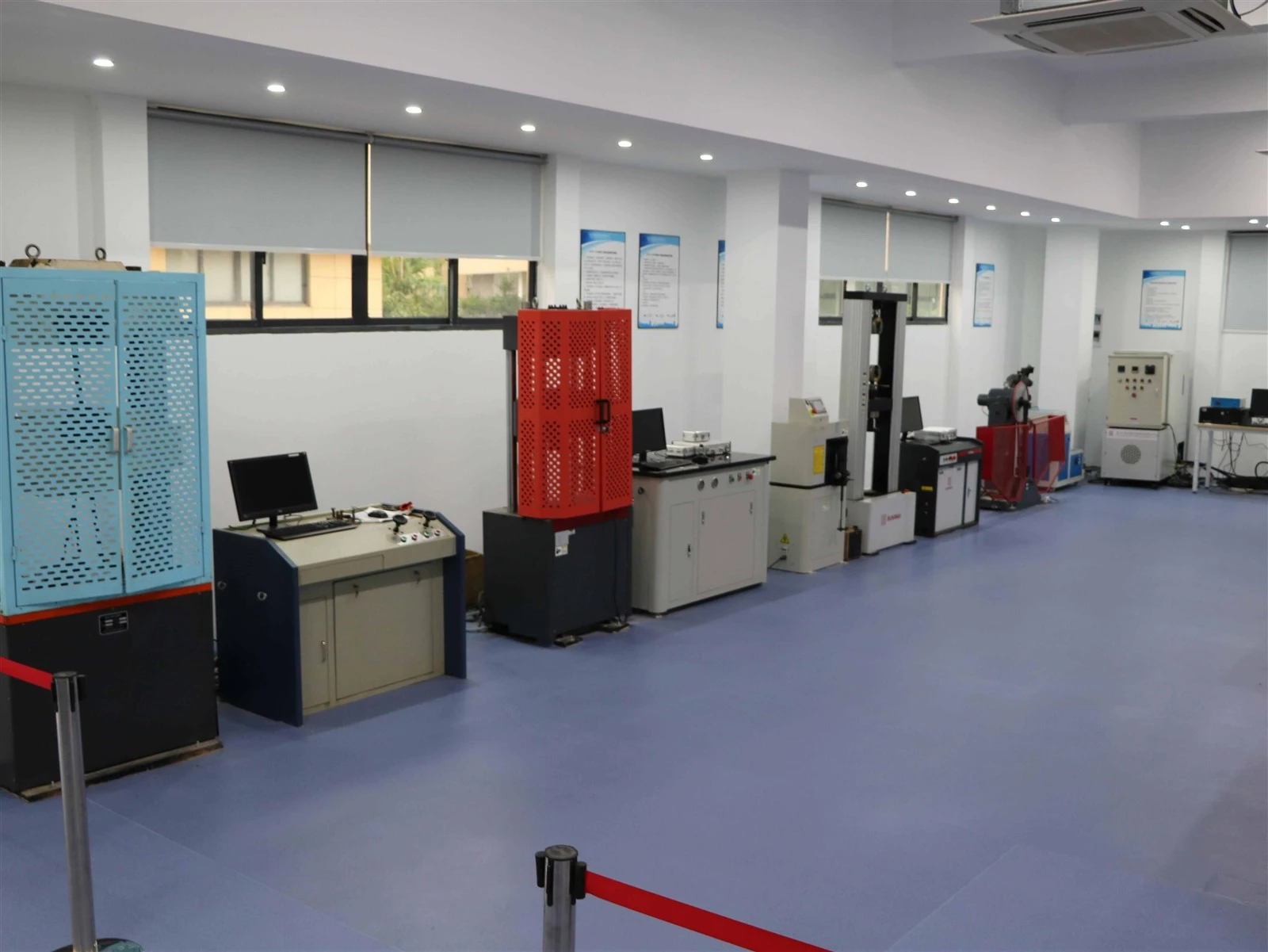
The company has more than 100 professional and technical personnel, over 90% of whom hold various medium and senior technical certificates. Equipped with complete testing equipment worth over RMB 10 million, our business scope covers the whole country.
No Information


