

Fracture Failure Analysis
Applicable materials: Suitable for various metal materials such as carbon steel, alloy steel, stainless steel, high-temperature alloys, aluminum alloys, copper alloys, titanium alloys, nickel based alloys, as well as castings, forgings, welded joints, fasteners and other components.
- Fast Delievery
- Quality Assurance
- 24/7 Customer Service
Product Introduction

Detection range
Applicable materials: Suitable for various metal materials such as carbon steel, alloy steel, stainless steel, high-temperature alloys, aluminum alloys, copper alloys, titanium alloys, nickel based alloys, as well as castings, forgings, welded joints, fasteners and other components.
Applicable objects: covering shafts, gears, bolts, pipelines, pressure vessels, steel structures, bridge components, engineering machinery, boilers, and various components and engineering structures that experience fracture failure.
Applicable scenarios: Used for investigating the causes of fracture accidents, determining fracture properties, verifying material and manufacturing process compliance, arbitrating fracture failure, assessing lifespan, and developing preventive measures.
Testing items
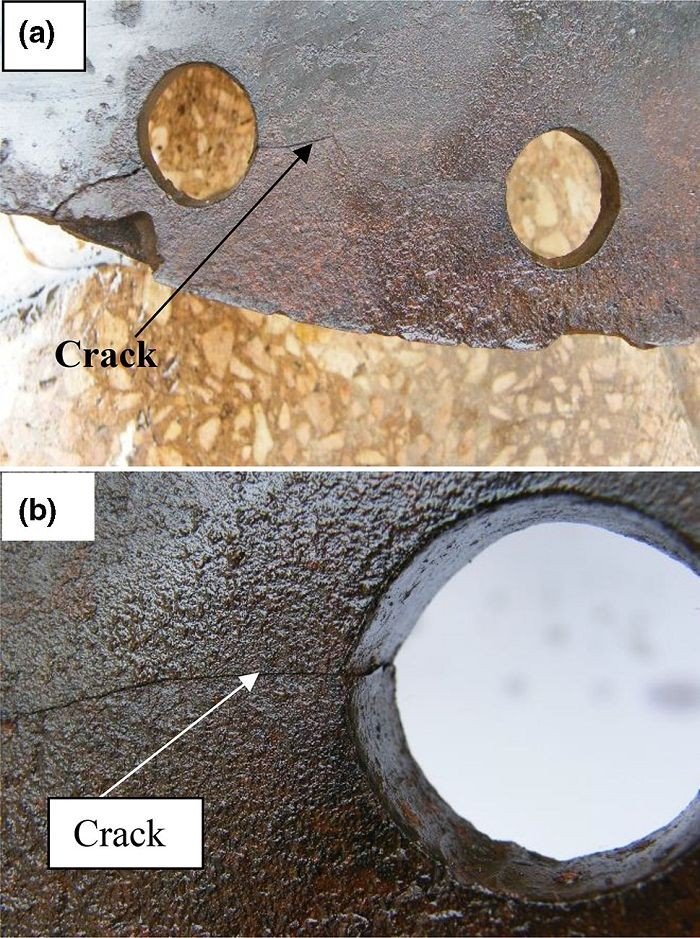
Macroscopic fracture analysis: observation of fracture morphology, localization of fracture source, examination of fracture path and deformation characteristics, preliminary determination of fracture mode.
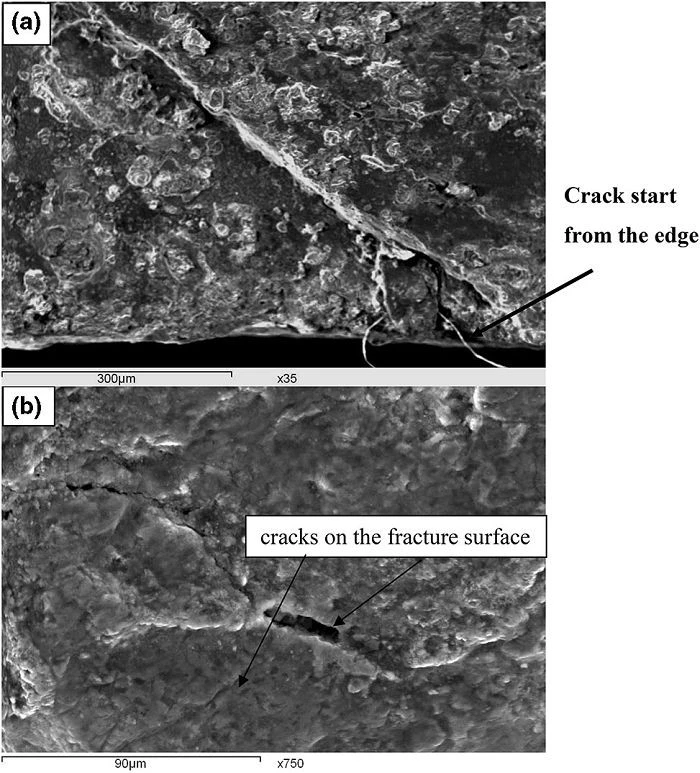
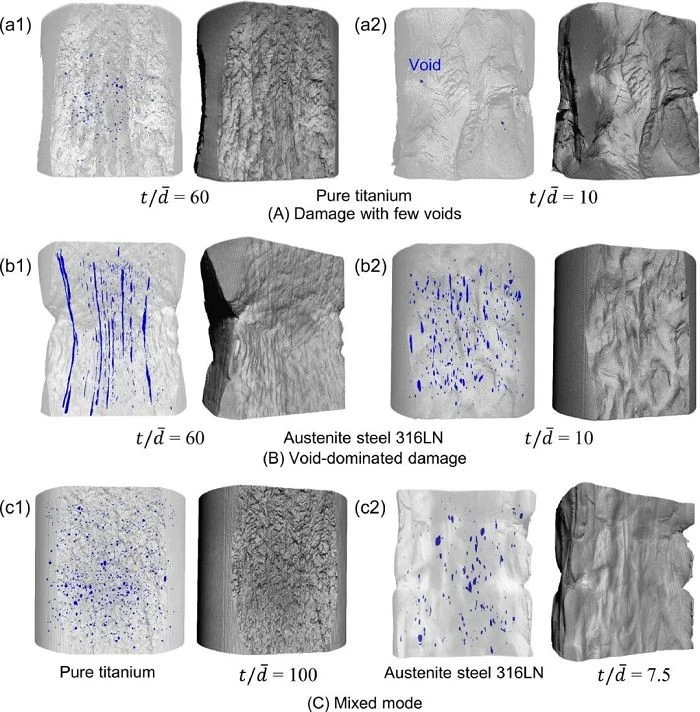
Microscopic fracture analysis: Scanning electron microscopy and metallographic microscopy observation to identify features such as ductile dimples, cleavage, fatigue striations, intergranular fracture, and creep voids.
Material performance review: chemical composition, hardness, metallographic structure, tensile, impact, creep and other mechanical property testing and verification.
Fracture property determination: distinguish between ductile fracture, brittle fracture, fatigue fracture, high-temperature creep fracture, stress corrosion cracking, hydrogen embrittlement fracture, corrosion fatigue fracture, etc.
Analysis of working conditions and stress: comprehensively analyze the causes based on the stress state, usage environment, assembly process, heat treatment, and welding quality.
Comprehensive determination and improvement of failure causes, recommendations for protection and material selection optimization.

Testing standards
GB/T 30595-2014 Metallic Materials Fracture Analysis Macroscopic and Microscopic Inspection Methods
GB/T 30066-2013 Corrosion Failure Analysis Guide for Metals and Alloys
GB/T 6394-2017 Metallographic examination method for metallic materials
GB/T 228.1-2021 Tensile Testing of Metallic Materials Part 1: Room Temperature Test Method
GB/T 229-2020 Metallic Materials - Charpy Pendulum Impact Test Method
GB/T 2039-2023 Metallic materials - Uniaxial tensile creep test method
NB/T 47013-2015 Non destructive Testing of Pressure Equipment
ASTM E3-11 Guidelines for Preparation and Metallographic Examination of Metal Specimens
ASTM G46-21 Standard Guide for Corrosion Failure Analysis
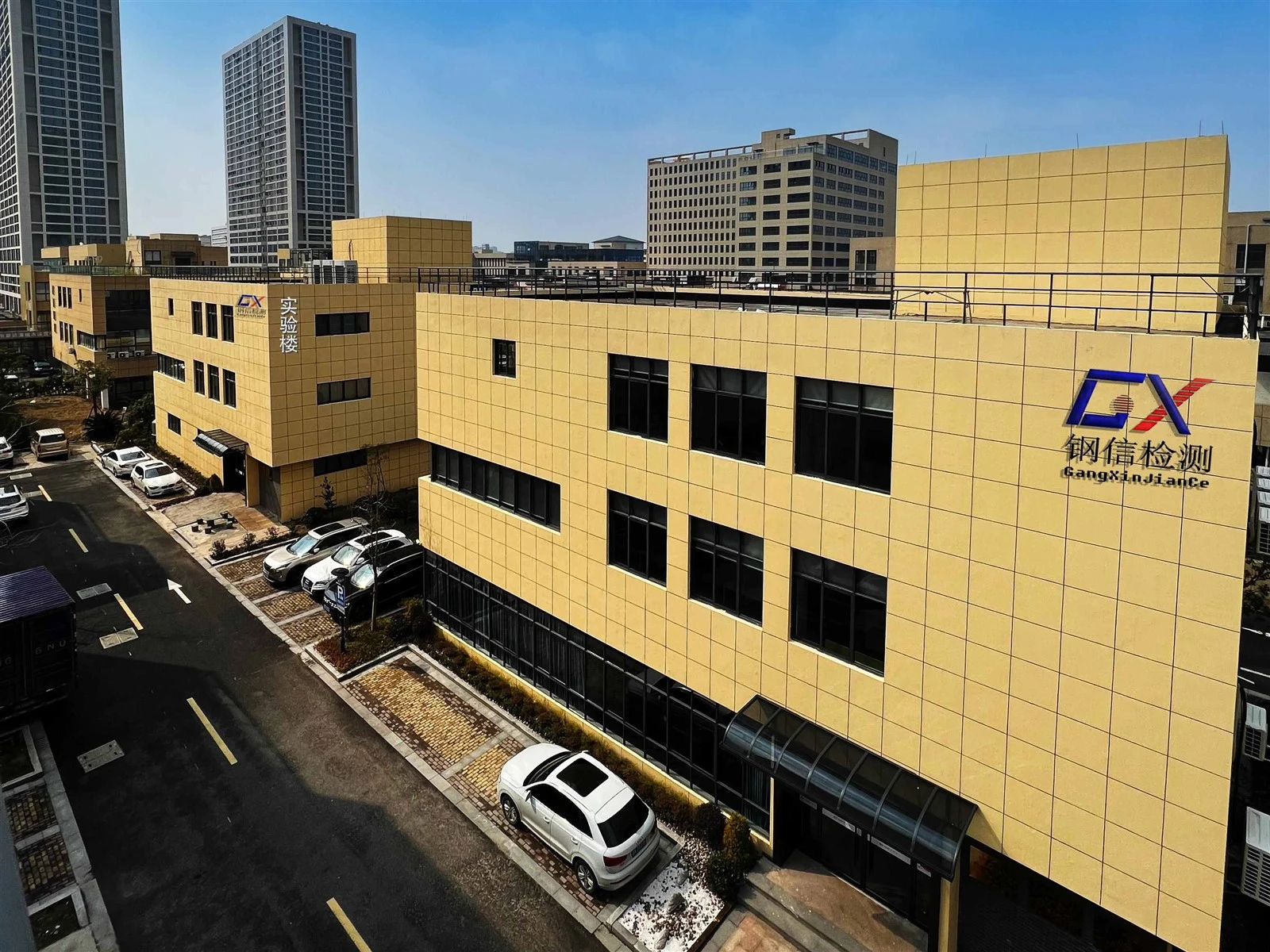
was established in 2011. As a national high-tech enterprise recognized by the Zhejiang Provincial Higher People's Court as a judicial authentication institution for construction engineering quality, we specialize in structural performance testing and safety assessment of construction projects, special equipment, communication towers, electromagnetic environments, large bridges, and building safety appraisal.
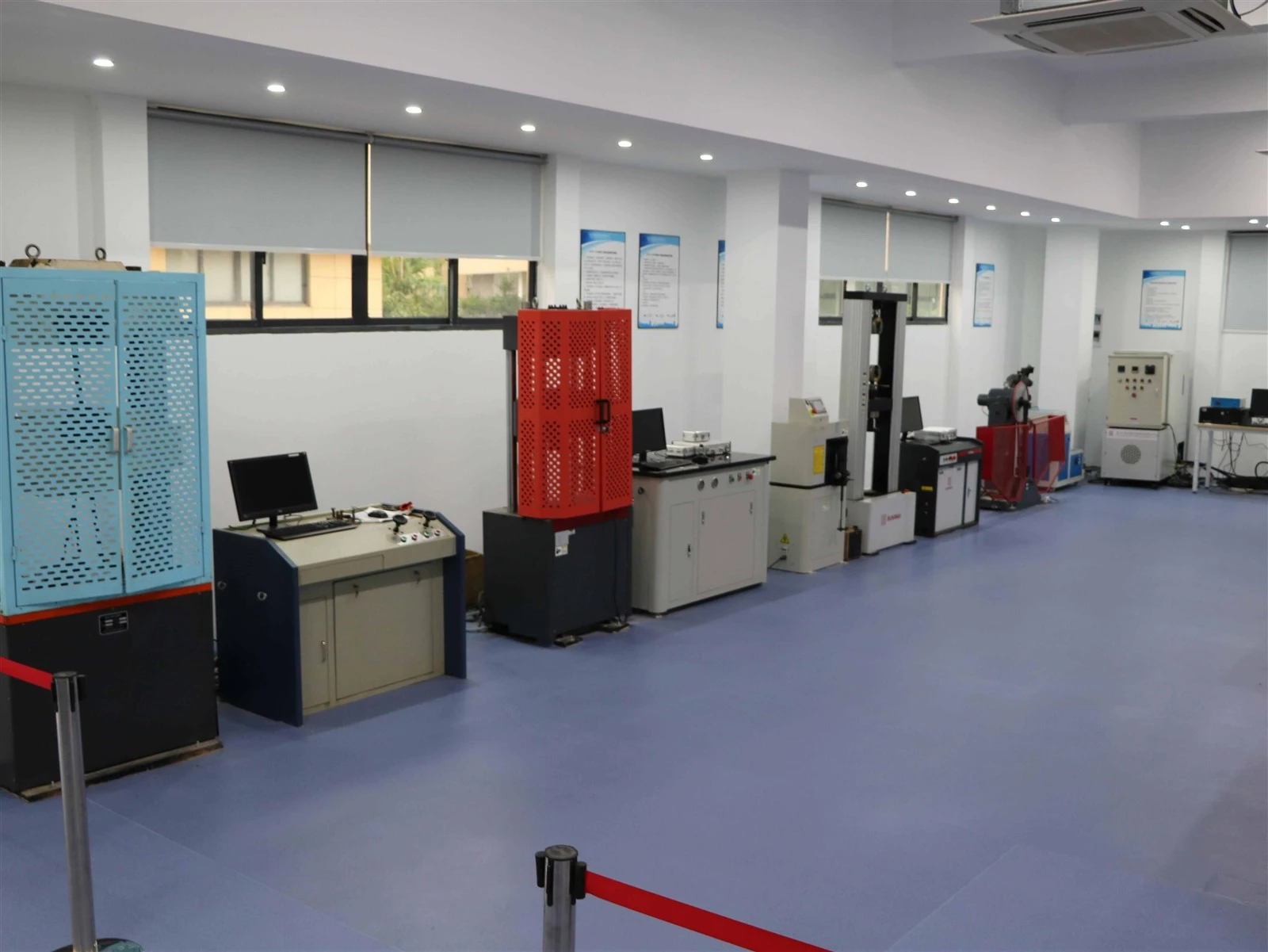
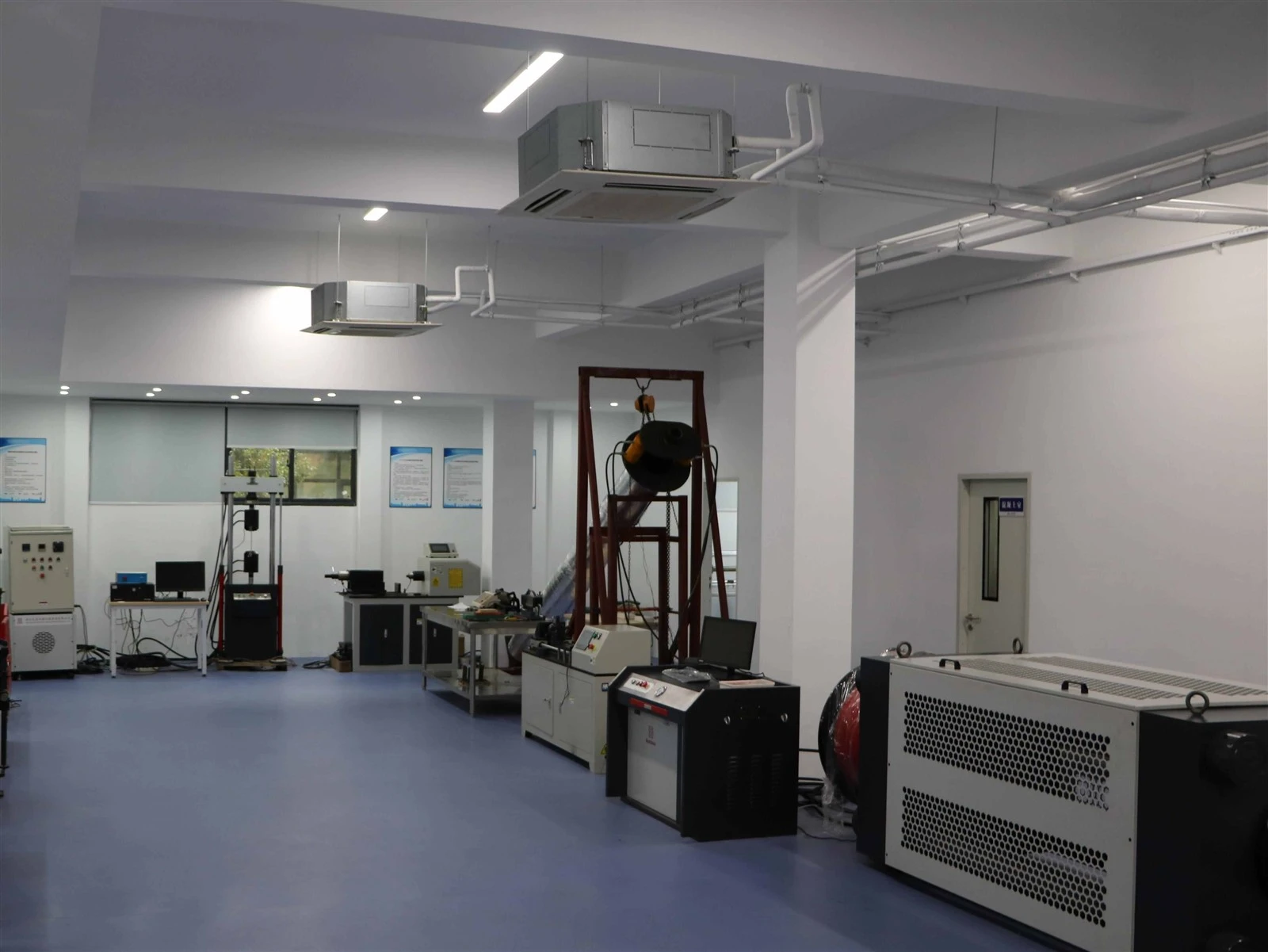
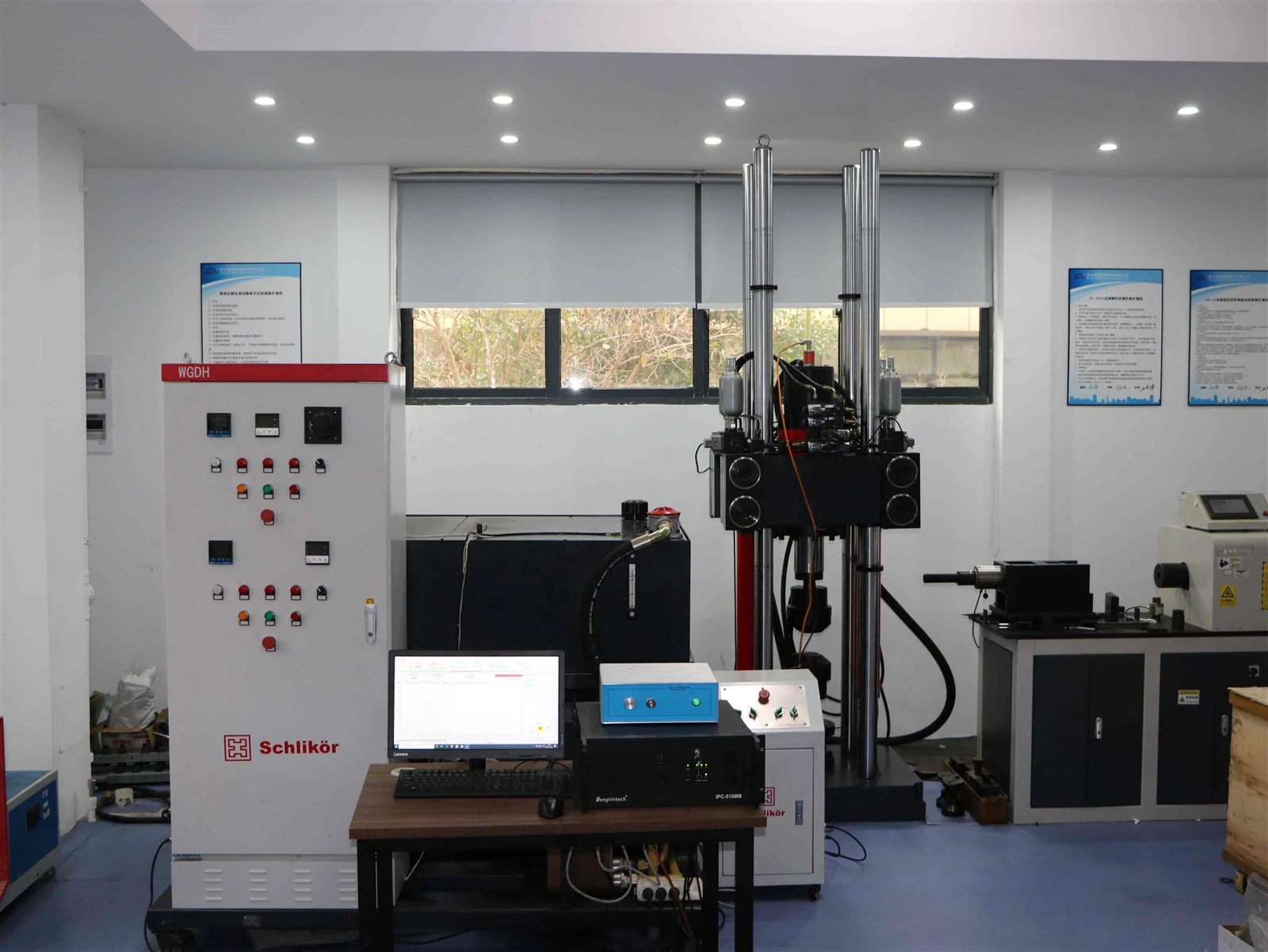
The company has more than 100 professional and technical personnel, over 90% of whom hold various medium and senior technical certificates. Equipped with complete testing equipment worth over RMB 10 million, our business scope covers the whole country.