

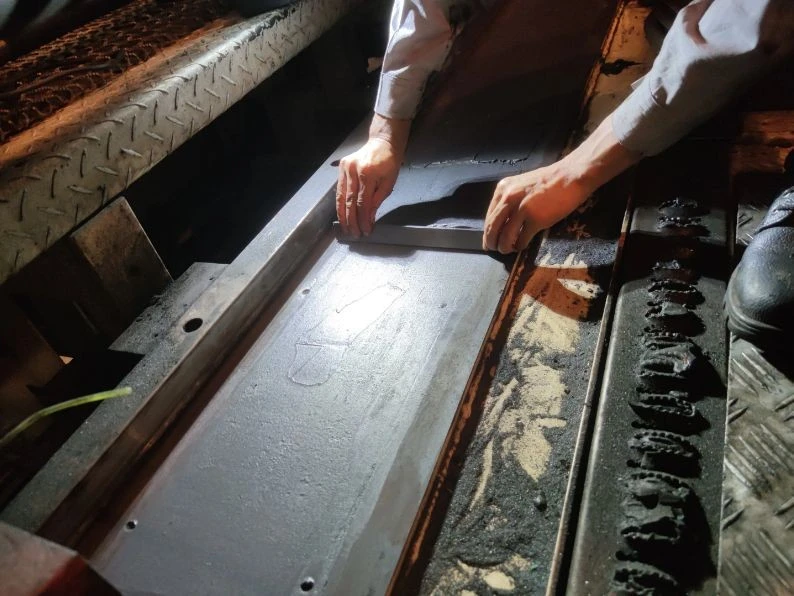
Wear And Tear Failure Analysis
Applicable materials: Suitable for metal materials such as carbon steel, alloy steel, stainless steel, high-temperature alloys, aluminum alloys, copper alloys, titanium alloys, hard alloys, as well as wear-resistant components such as engineering ceramics, engineering plastics, composite materials, and wear-resistant coatings.
- Fast Delievery
- Quality Assurance
- 24/7 Customer Service
Product Introduction

Detection range
Applicable materials: Suitable for metal materials such as carbon steel, alloy steel, stainless steel, high-temperature alloys, aluminum alloys, copper alloys, titanium alloys, hard alloys, as well as wear-resistant components such as engineering ceramics, engineering plastics, composite materials, and wear-resistant coatings.
Applicable objects: covering shafts, bearings, gears, seals, molds, cutting tools, pistons, cylinder liners, pipelines, friction pairs, engineering machinery, mining and metallurgical equipment, automotive parts, pressure equipment, and various parts that experience wear and failure.
Applicable scenarios: Used for determining the cause of wear failure, verifying the compatibility of friction pairs, verifying manufacturing and heat treatment processes, analyzing assembly and lubrication status, evaluating working conditions, conducting failure arbitration analysis, and developing wear-resistant improvement plans.
Testing items
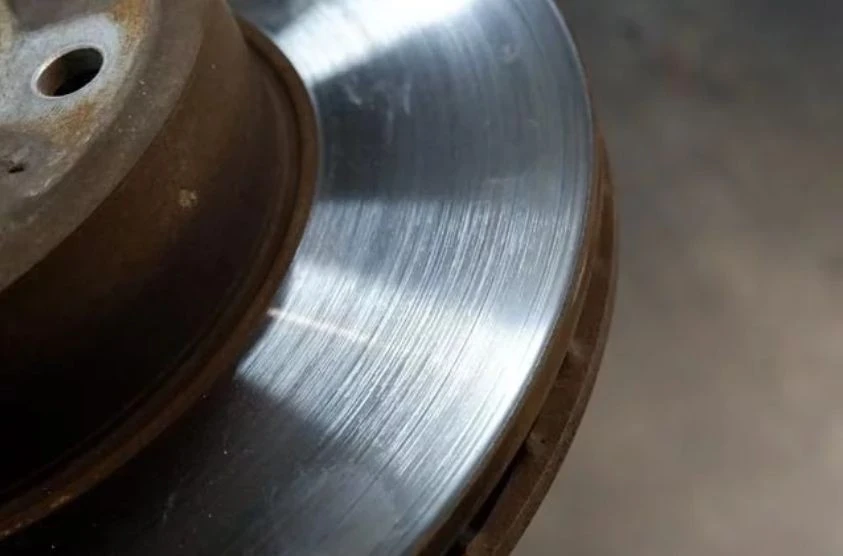
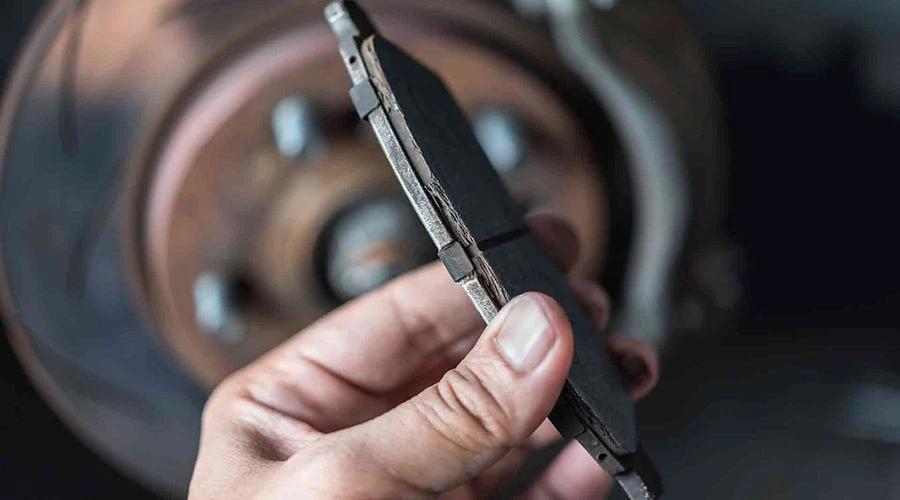
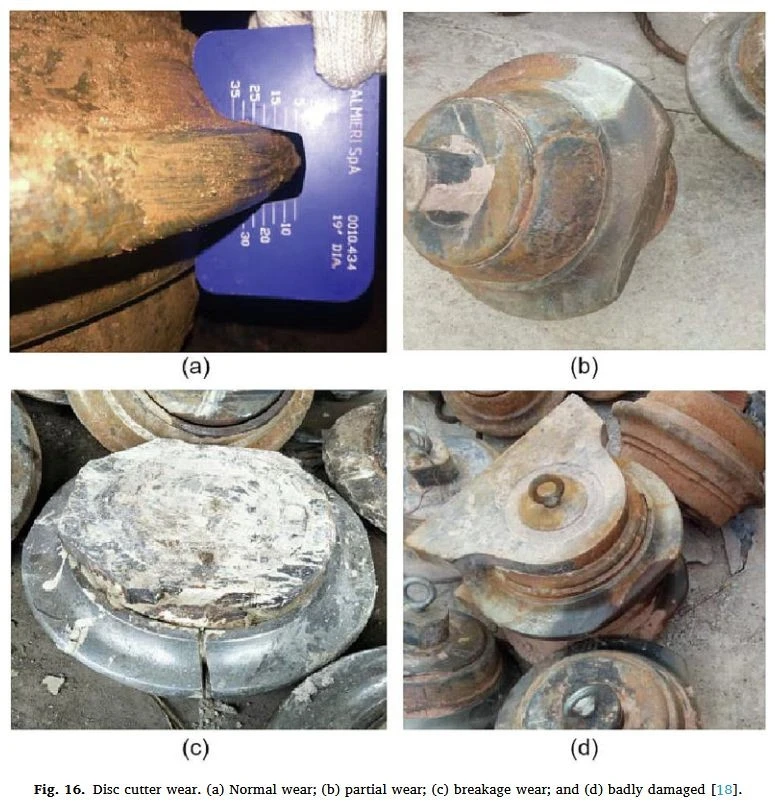
Macro wear analysis: observation of wear morphology, positioning of wear areas, measurement of wear amount, detection of wear depth and area, preliminary judgment of wear types.
Microscopic wear analysis: Observation of surface micro wear marks, plowing grooves, peeling, adhesion, fatigue pitting and other characteristics, analysis of debris morphology and composition.
Material Performance Review: Testing and Verification of Matrix Chemical Composition, Surface Hardness, Core Hardness, Metallographic Structure, and Wear Resistant Layer Performance.
Wear type determination: distinguish adhesive wear, abrasive wear, fatigue wear, corrosion wear, erosion wear, micro motion wear, abrasion composite wear, etc.
Assembly and Lubrication Analysis: Comprehensive Analysis of Assembly Clearance, Neutrality, Lubricant Performance, Lubrication Status, Load, Speed, Temperature, and Environmental Media.
Comprehensive determination of failure causes: Analyze the root cause based on multiple factors such as materials, processes, assembly, lubrication, and operating conditions.
Wear resistance improvement and protection suggestions: material optimization, heat treatment adjustment, surface strengthening, lubrication improvement, structural optimization and other solutions.

Testing standards
GB/T 39608-2020 General Principles for Wear Test Methods of Metallic Materials
GB/T 12444.1-2021 Metallic Materials Wear Test Part 1: Wear Test Method
GB/T 12444.2-2021 Metallic Materials Wear Test Part 2: Ring Block Wear Test
GB/T 25744-2010 Test Method for Micro motion Wear of Metallic Materials
GB/T 6394-2017 Metallographic examination method for metallic materials
GB/T 30595-2014 Metallic Materials Fracture Analysis Macroscopic and Microscopic Inspection Methods
ASTM G99 Standard Guide for Pin Disc Wear Test
ASTM G40 Standard for Wear Related Terminology
NB/T 47013 Non destructive testing of pressure equipment
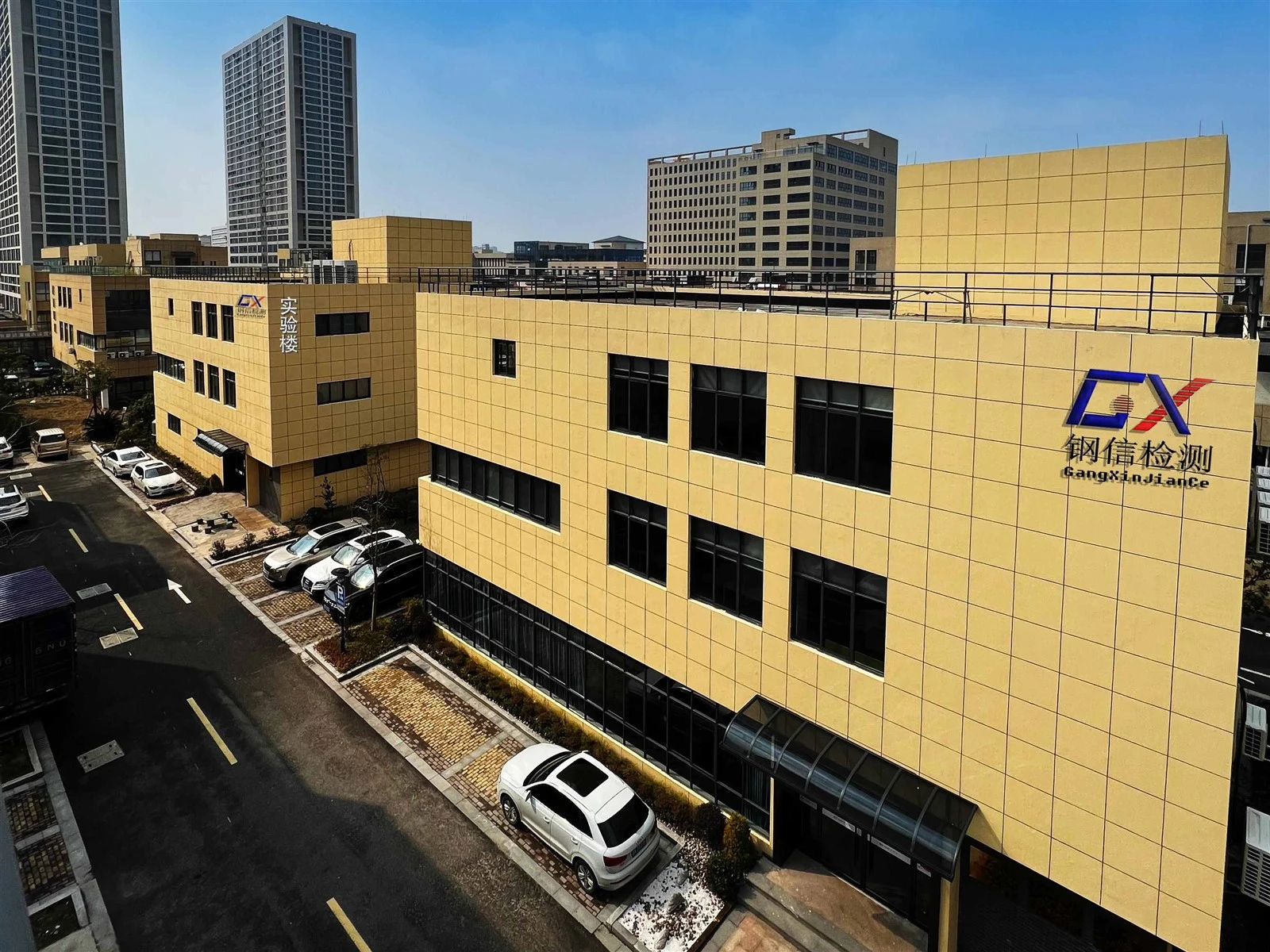
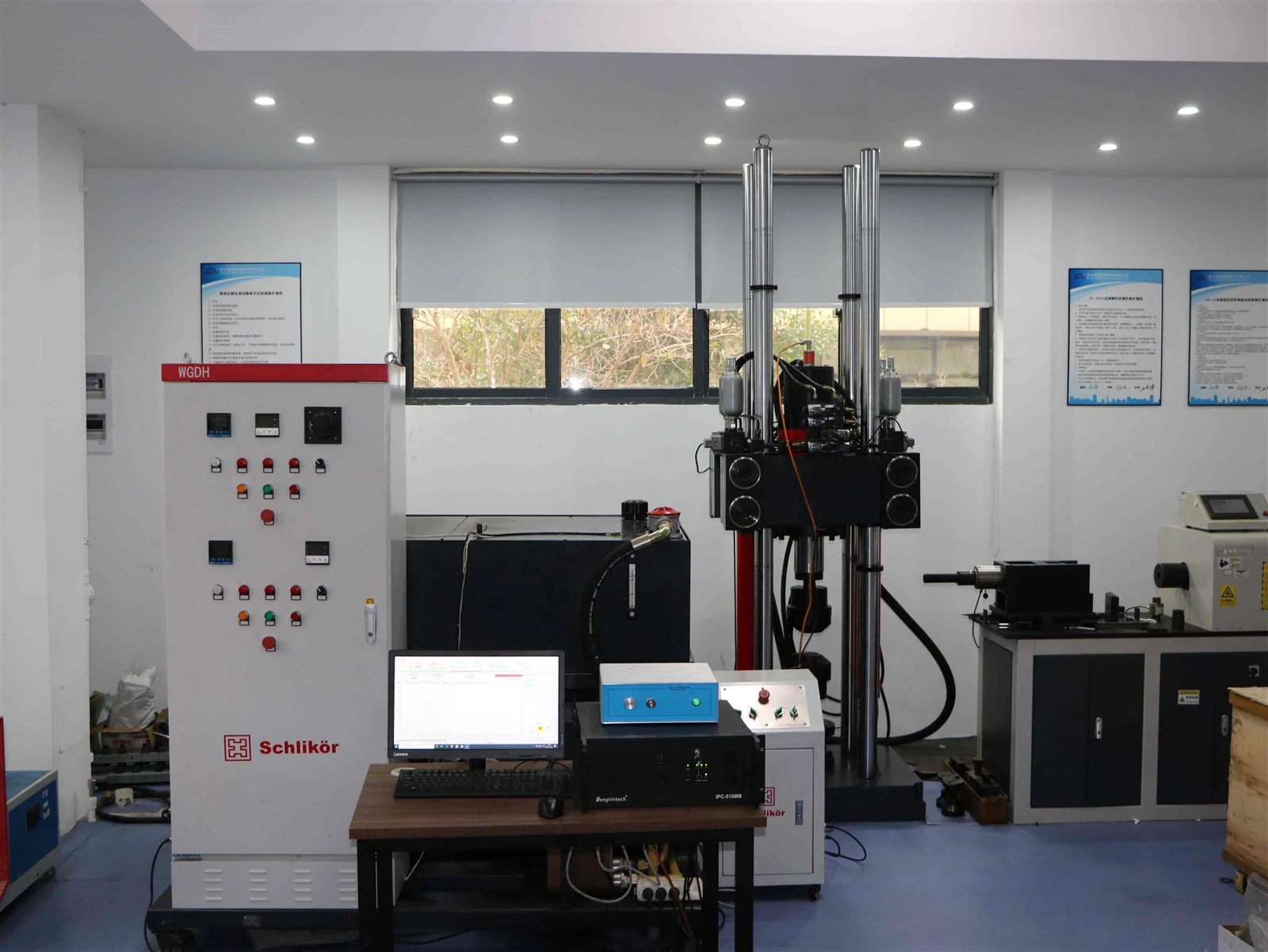
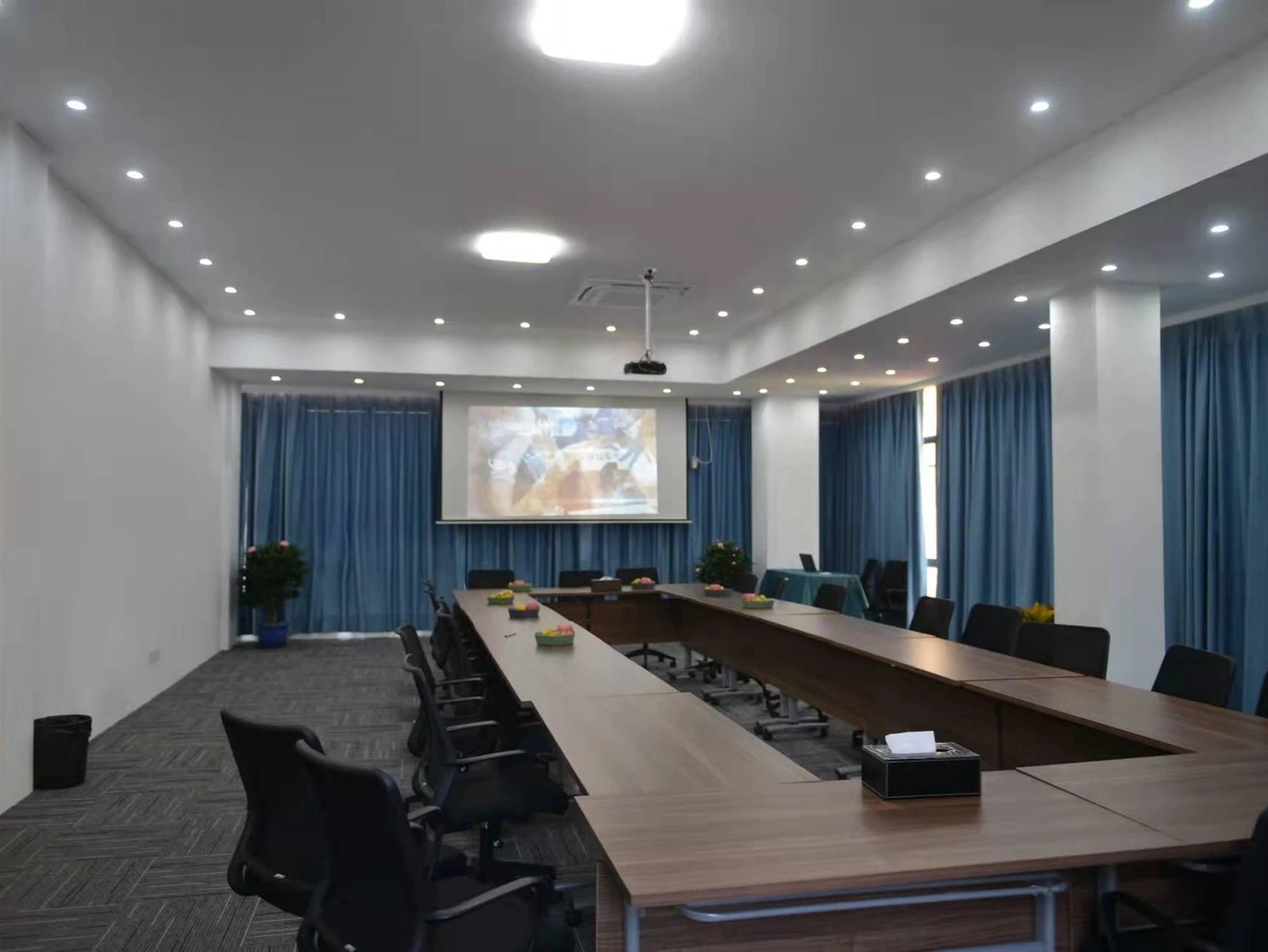
was established in 2011. As a national high-tech enterprise recognized by the Zhejiang Provincial Higher People's Court as a judicial authentication institution for construction engineering quality, we specialize in structural performance testing and safety assessment of construction projects, special equipment, communication towers, electromagnetic environments, large bridges, and building safety appraisal.
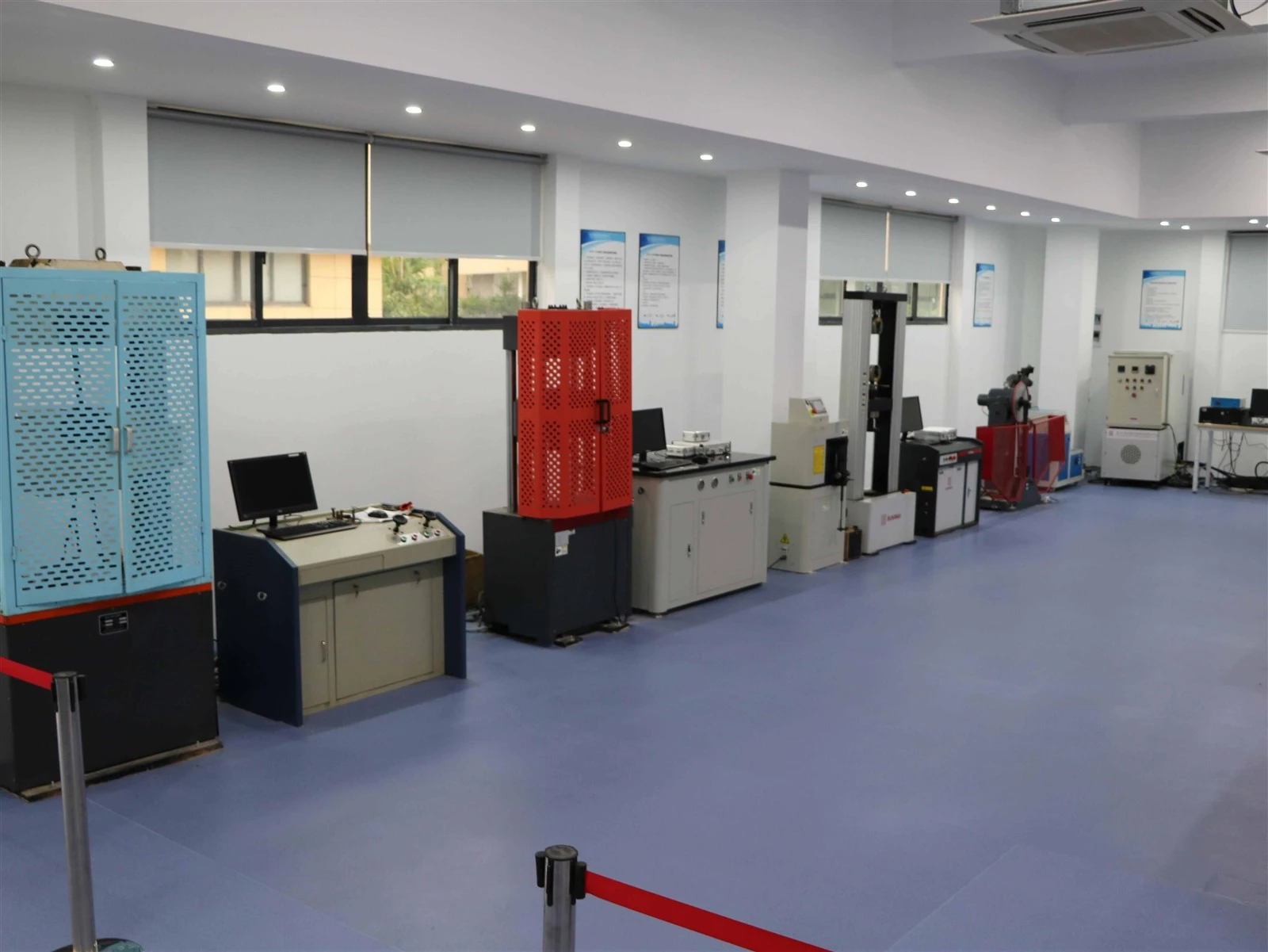
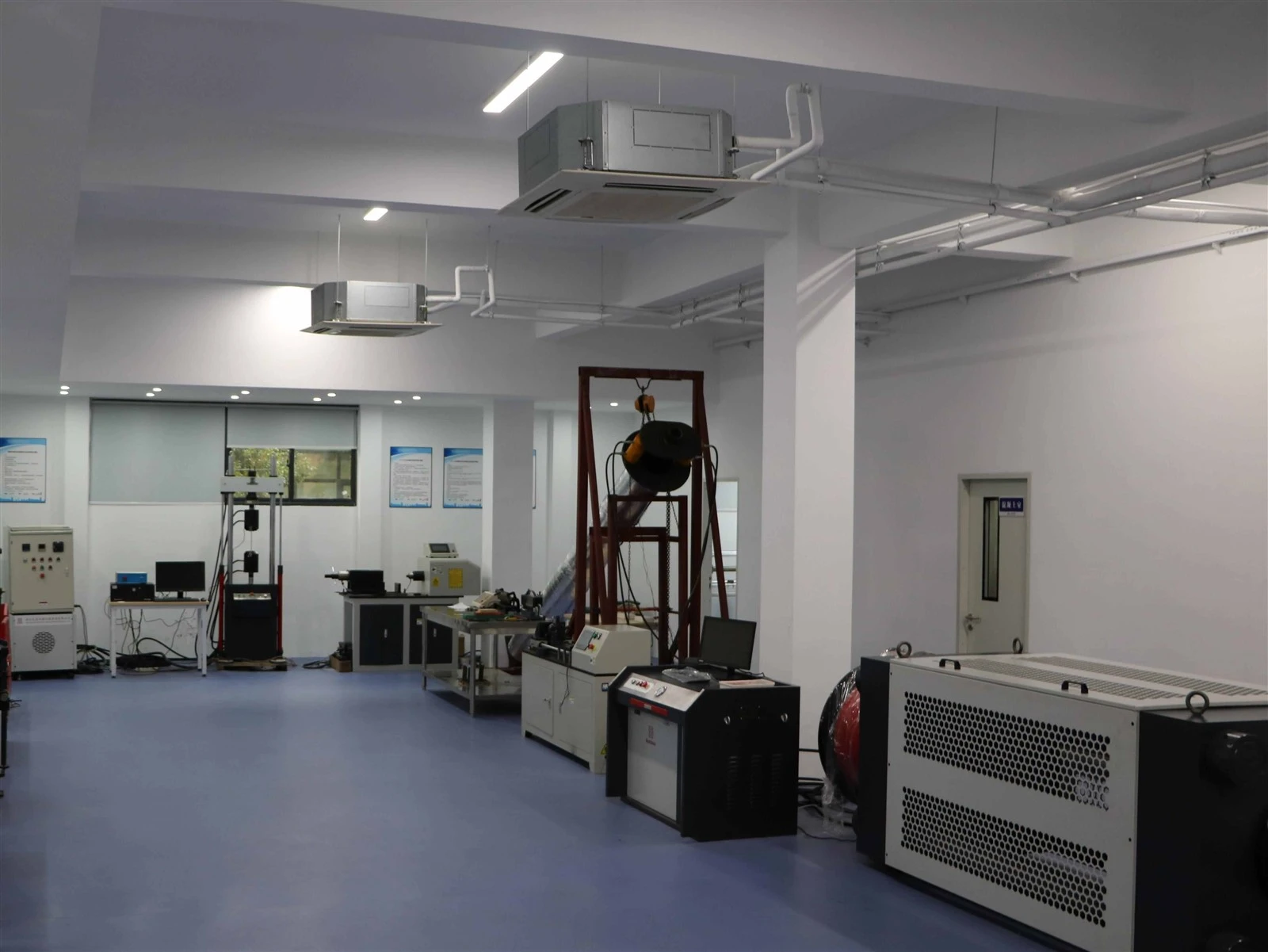
The company has more than 100 professional and technical personnel, over 90% of whom hold various medium and senior technical certificates. Equipped with complete testing equipment worth over RMB 10 million, our business scope covers the whole country.
No Information


