


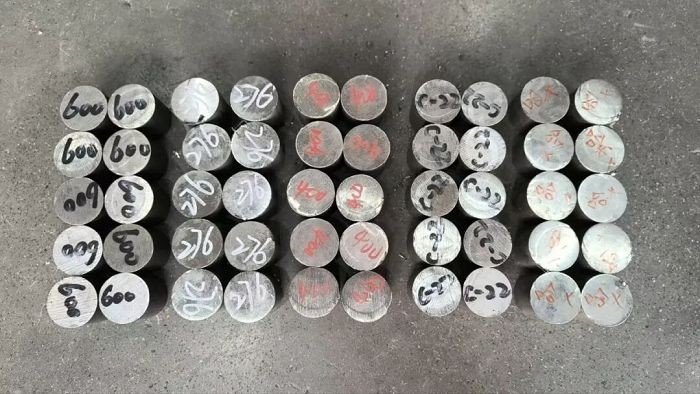
Composition Testing Of Nickel Based Alloys
Suitable for various types of nickel and nickel based alloys such as industrial pure nickel, nickel based corrosion-resistant alloys, nickel based high-temperature alloys, nickel copper alloys, nickel chromium alloys, nickel molybdenum alloys, etc.
- Fast Delievery
- Quality Assurance
- 24/7 Customer Service
Product Introduction

Scope of inspection
Applicable materials: Suitable for various types of nickel and nickel based alloys such as industrial pure nickel, nickel based corrosion-resistant alloys, nickel based high-temperature alloys, nickel copper alloys, nickel chromium alloys, nickel molybdenum alloys, etc.
Applicable objects: including nickel and nickel based alloy plates, rods, pipes, wires, forgings, castings, welding wires, fasteners, and nickel based components for aviation, chemical, nuclear power, and machinery.
Applicable states: including as cast, hot-rolled, cold-rolled, solid solution, aging, annealing and other processing and heat treatment states.
Inspection purpose: Used for nickel based material grade identification, incoming material acceptance, production quality control, inventory classification, spare parts replacement, and failure analysis material determination.
Inspection Item
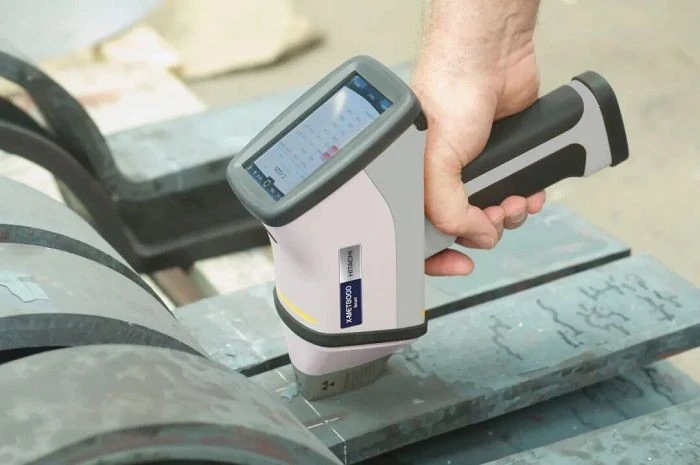
Quantitative detection of chemical composition: Determine the content of nickel, chromium, molybdenum, copper, iron, niobium, titanium, aluminum, tungsten, cobalt and other alloy elements in the matrix, and detect the content of impurity elements such as carbon, sulfur, phosphorus, silicon, manganese, etc.
Microstructure inspection: Observe grain size, phase composition, precipitated phases, casting/deformation/recrystallization microstructure, and determine the microstructure state.
Hardness testing: Measuring Brinell, Vickers, and Rockwell hardness to assist in distinguishing grades and heat treatment states.
Mechanical performance auxiliary evaluation: Determine tensile strength, yield strength, and elongation at break for grade review.
Comparison and determination of grades: Compare the composition, structure, and properties with standard grades to determine the grades of nickel and nickel based alloys.
Organizational defect inspection: detecting defects such as segregation, inclusions, pores, cracks, coarse grains, and harmful precipitates.

Inspection Specification
GB/T 5235-2021 Nickel and Nickel Alloy Processing Product Grades and Chemical Composition
GB/T 15007-2017 Corrosion resistant alloy grades
GB/T 14992-2024 Classification and grades of high-temperature alloys and intermetallic compounds
GB/T 8642-2019 Methods for Chemical Analysis of Nickel and Nickel Alloys
GB/T 6394-2017 Method for determination of average grain size of metals
GB/T 32793-2016 Method for Identification of Metal Material Grades
was established in 2011. As a national high-tech enterprise recognized by the Zhejiang Provincial Higher People's Court as a judicial authentication institution for construction engineering quality, we specialize in structural performance testing and safety assessment of construction projects, special equipment, communication towers, electromagnetic environments, large bridges, and building safety appraisal.
The company has more than 100 professional and technical personnel, over 90% of whom hold various medium and senior technical certificates. Equipped with complete testing equipment worth over RMB 10 million, our business scope covers the whole country.