

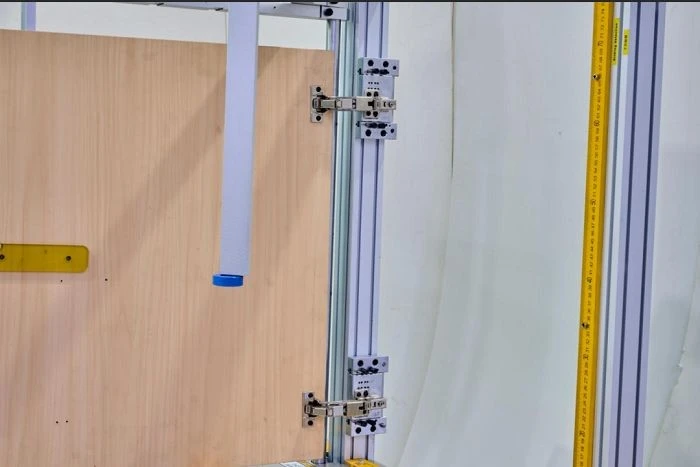
Hinge Detection
Applicable materials: Suitable for hinges made of metal materials such as carbon steel, stainless steel, zinc alloy, aluminum alloy, copper alloy, as well as non-metallic materials such as engineering plastics and nylon.
- Fast Delievery
- Quality Assurance
- 24/7 Customer Service
Product Introduction

Detection range
Applicable materials: Suitable for hinges made of metal materials such as carbon steel, stainless steel, zinc alloy, aluminum alloy, copper alloy, as well as non-metallic materials such as engineering plastics and nylon.
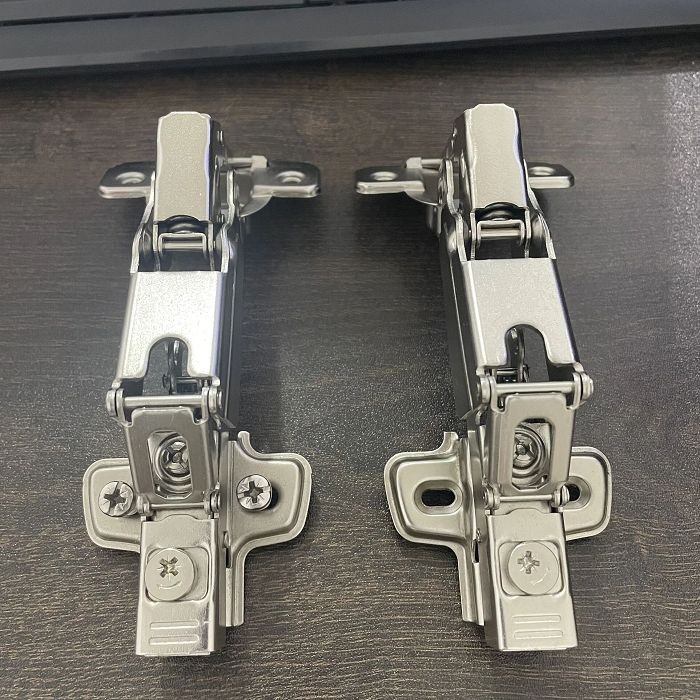
Applicable products: including furniture hinges, cabinet door damping/hydraulic hinges, door and window hinge hinges, industrial heavy-duty hinges, invisible hinges, positioning hinges, self-locking hinges and other types of hinge products.
Applicable scenarios: Used for raw material incoming inspection, finished product factory acceptance, assembly adaptability evaluation, mechanical performance verification, durability life testing, surface quality inspection, quality arbitration, and reliability testing of supporting equipment.
Testing items
Dimensional and positional testing: tolerance evaluation of external dimensions, sheet thickness, pin shaft diameter, installation hole spacing, opening and closing angle, assembly clearance, coaxiality, perpendicularity, etc.
Mechanical performance testing: testing of rated load-bearing capacity, tensile strength, shear strength, torsional strength, pin pull-out force, and hinge arm deformation resistance.
Functional performance testing: flexibility of opening and closing, damping and buffering effect, hydraulic stability, self-locking performance, positioning accuracy, opening and closing torque testing.
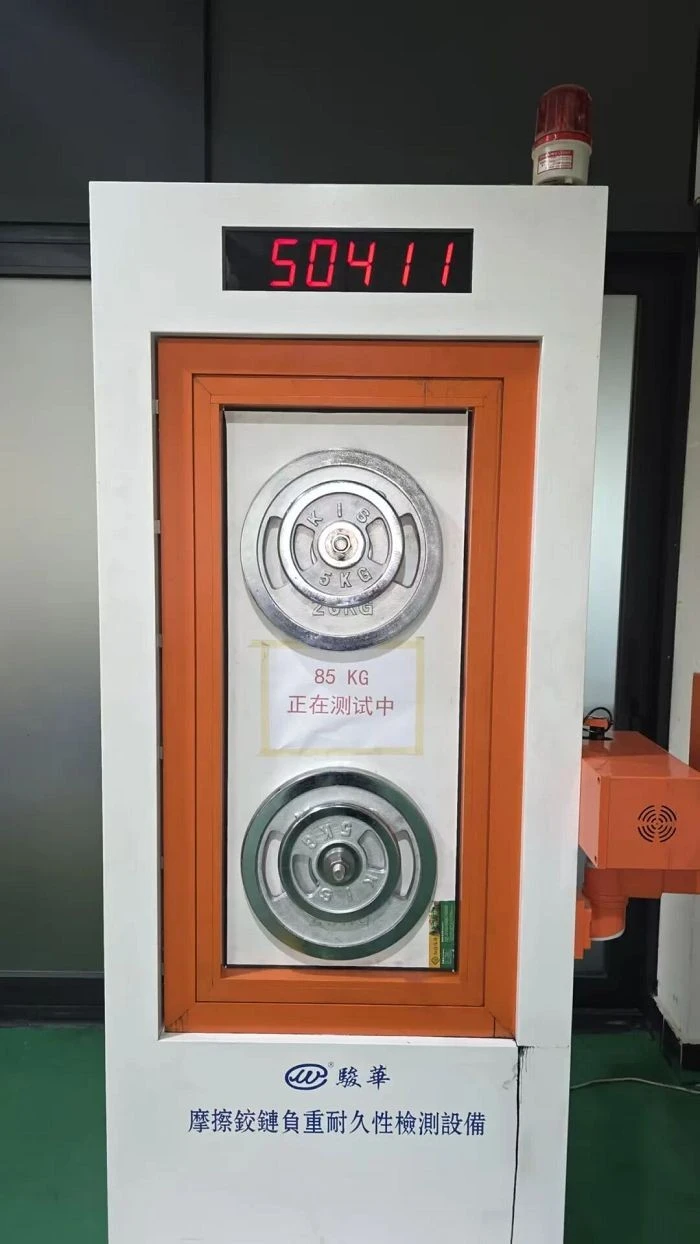
Durability testing: fatigue life of opening and closing, repeated opening and closing cycle testing, evaluation of structural looseness and functional degradation after long-term use.
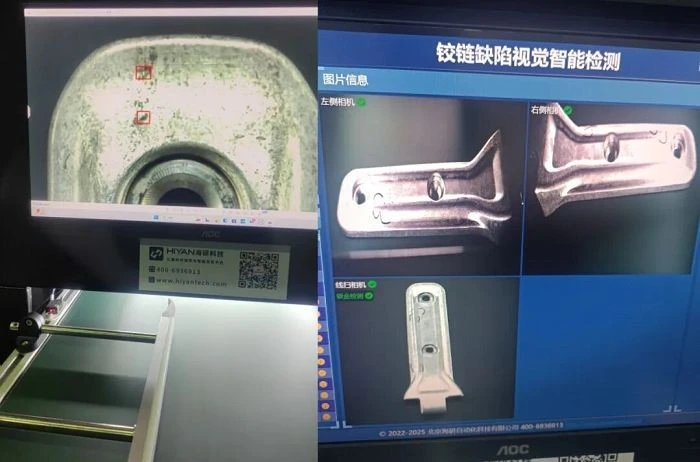
Surface quality inspection: evaluation of surface roughness, scratches, bumps, burrs, deformations, cracks, as well as coating/coating thickness, adhesion, and color difference.
Corrosion resistance testing: neutral salt spray, acidic salt spray, moisture and heat resistance, rust resistance, and environmental adaptability testing.
Material performance testing: Verification of the composition and hardness of metallic materials, as well as the tensile and impact strength of non-metallic materials.
Assembly adaptation testing: evaluation of installation stability, fitting accuracy, anti detachment performance, and compatibility with doors, windows, and cabinets.
Safety performance testing: structural strength, anti pinch performance, overload fracture risk, and safety assessment during use.

Testing standards
QB/T 2189-2022 Furniture Hardware Furniture hinges
QB/T 4196-2011 Furniture Hardware Buffer hinges
GB/T 24541-2020 Building door and window hardware hinges (hinges)
JG/T 125-2017 Building door and window hardware hinges (hinges)
QB/T 3826-2020 General Technical Conditions for Furniture Hardware Furniture Hardware Accessories
QB/T 3832-2020 Furniture Hardware Durability Test Method
GB/T 10125-2021 Corrosion Test in Artificial Atmosphere Salt Spray Test
GB/T 1732-2020 Determination of Adhesion of Paint Films
GB/T 230.1-2022 Metallic Materials Rockwell Hardness Test
GB/T 2828.1-2022 Sampling Inspection Procedure Part 1
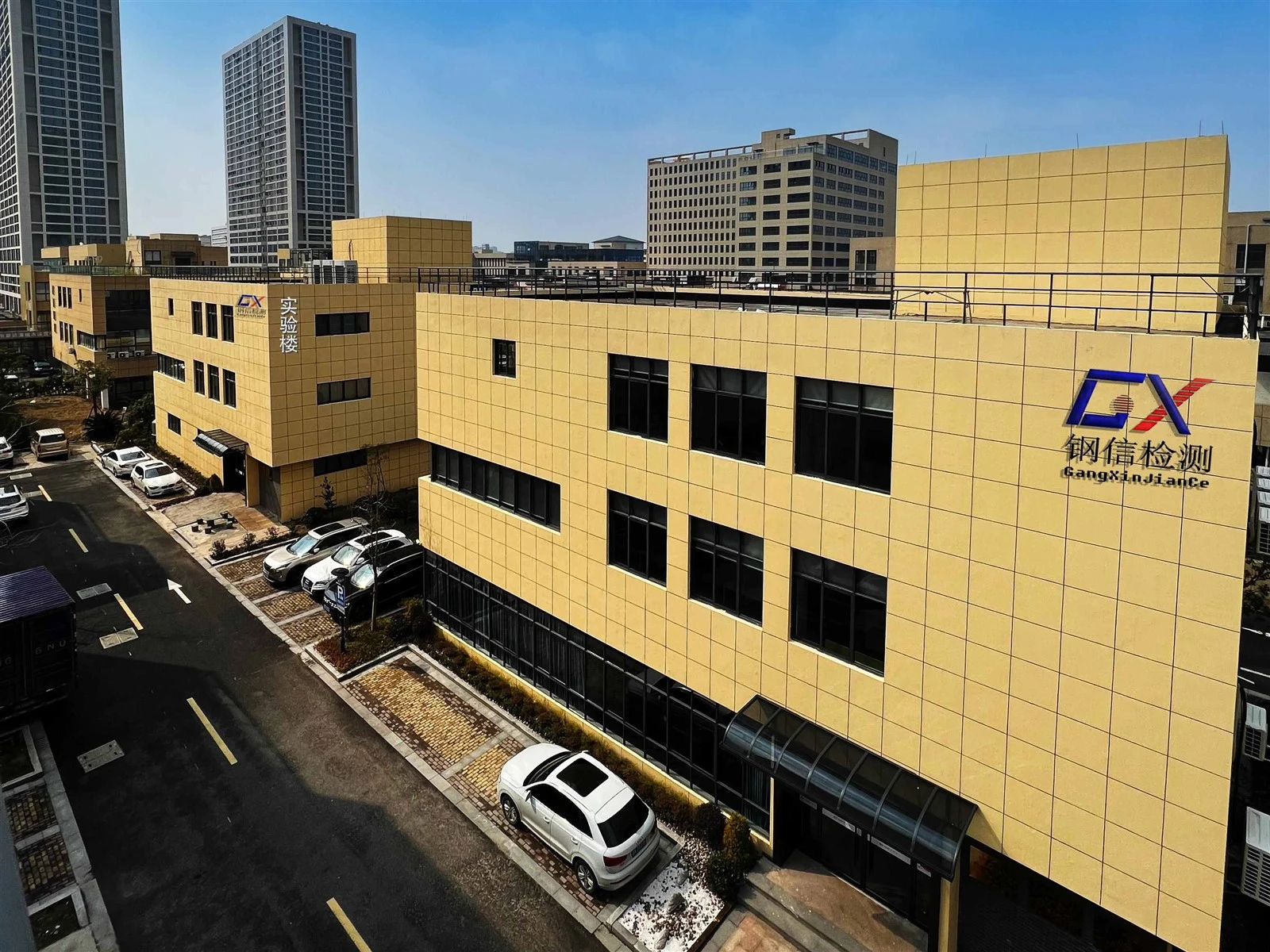
was established in 2011. As a national high-tech enterprise recognized by the Zhejiang Provincial Higher People's Court as a judicial authentication institution for construction engineering quality, we specialize in structural performance testing and safety assessment of construction projects, special equipment, communication towers, electromagnetic environments, large bridges, and building safety appraisal.
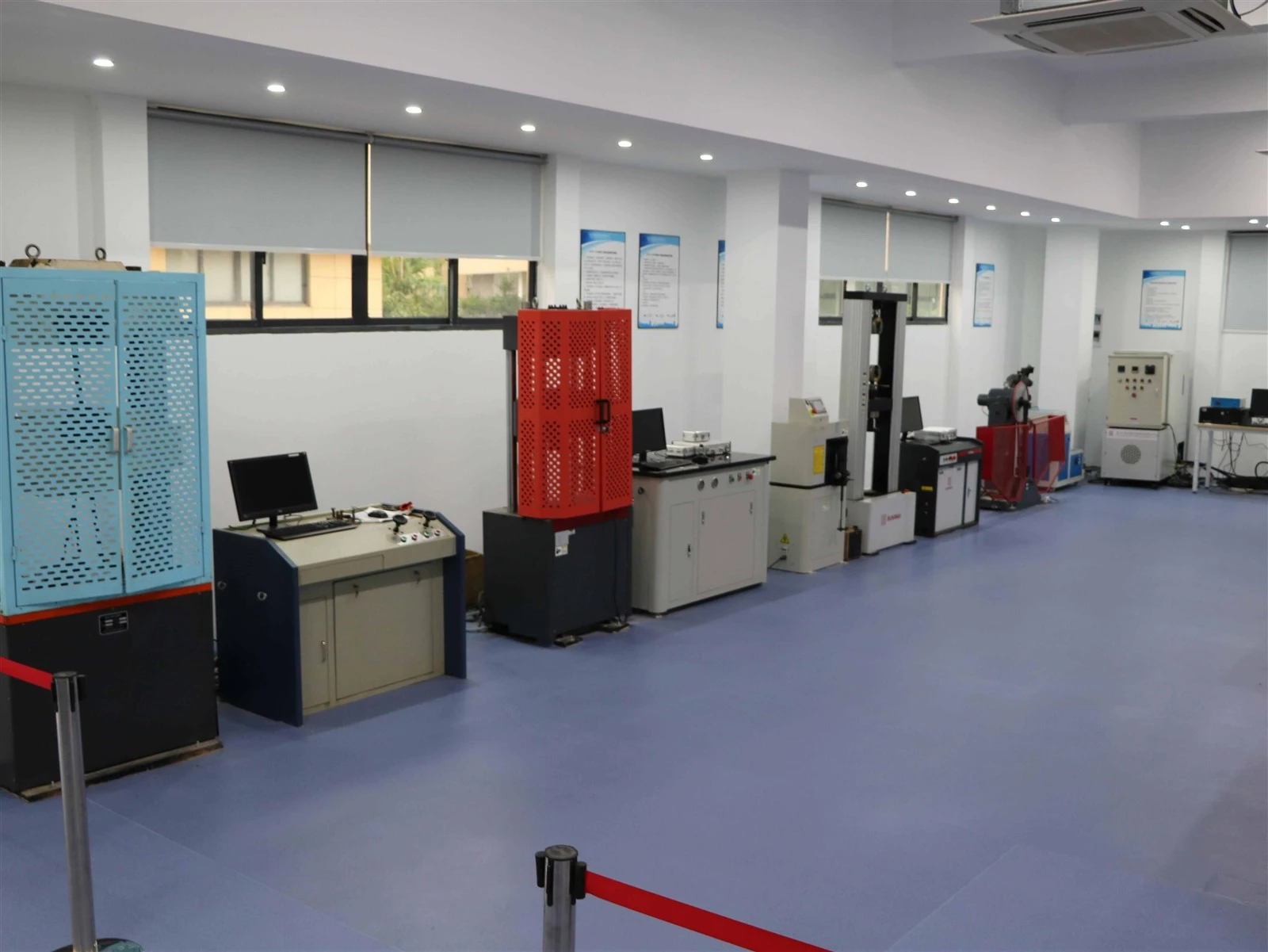
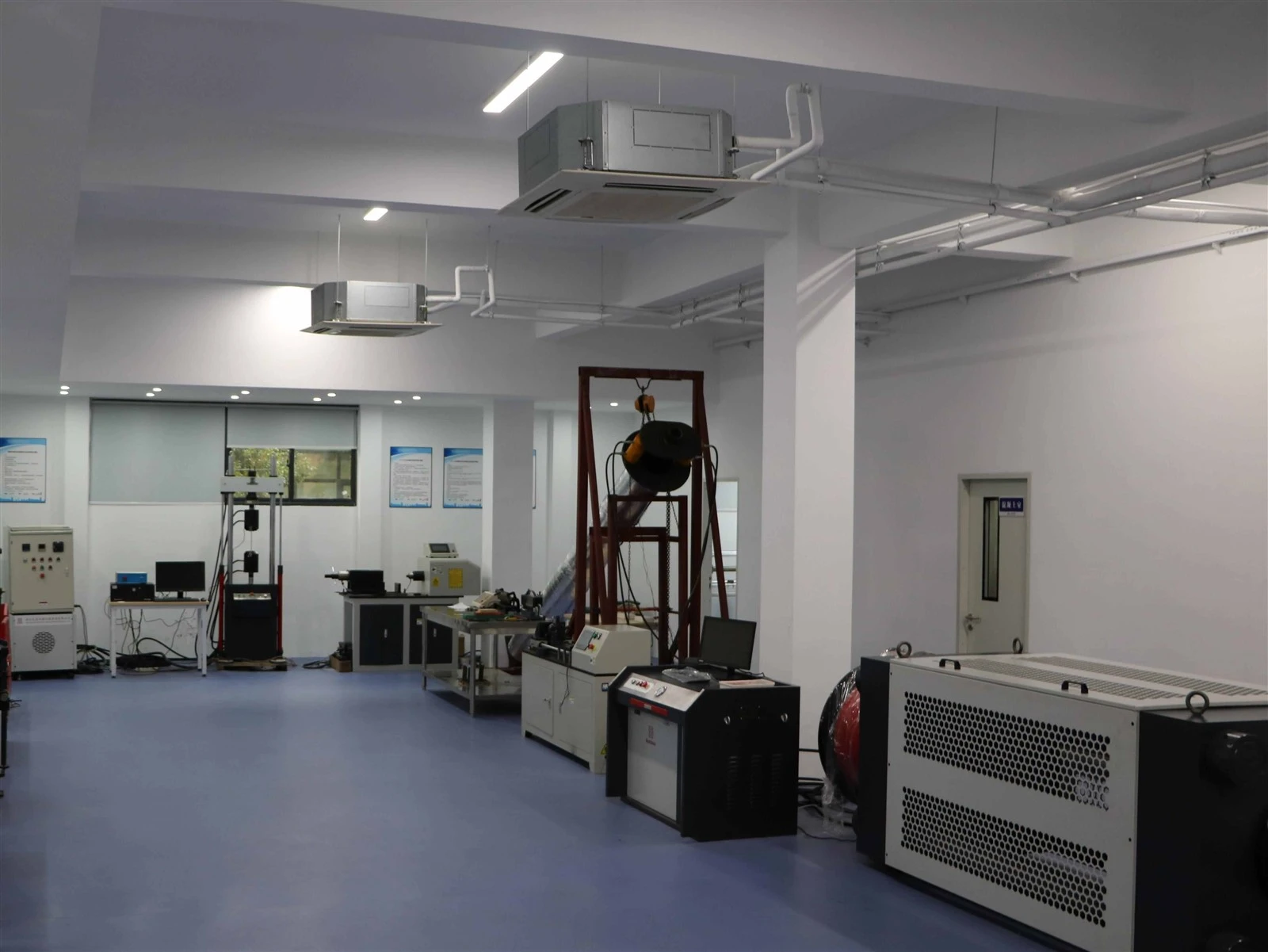
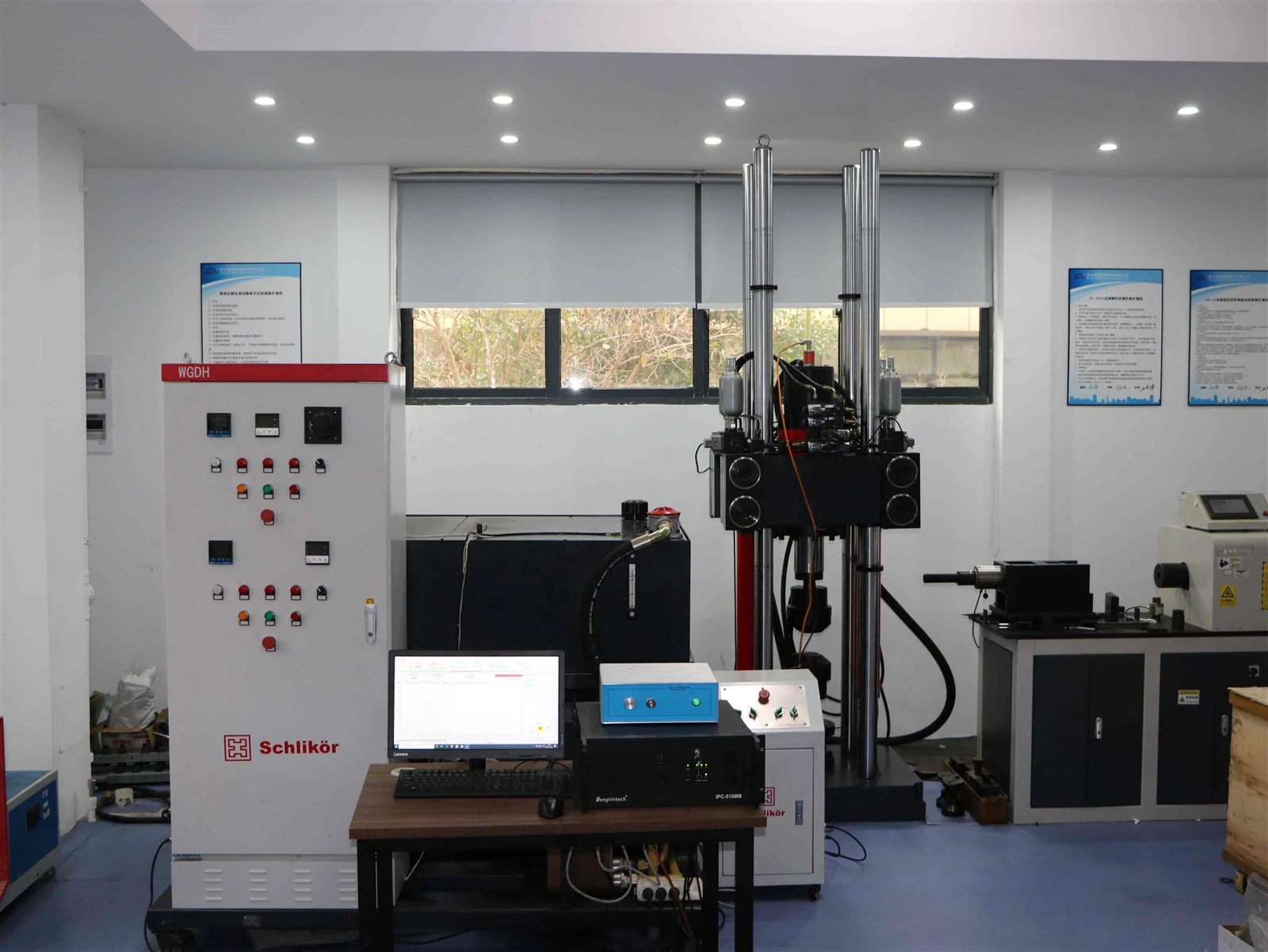
The company has more than 100 professional and technical personnel, over 90% of whom hold various medium and senior technical certificates. Equipped with complete testing equipment worth over RMB 10 million, our business scope covers the whole country.