

Fabric Inspection
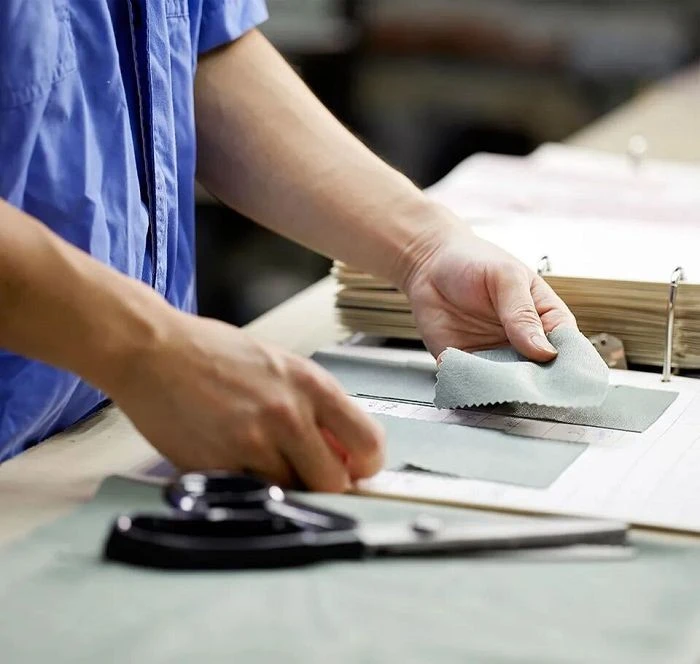
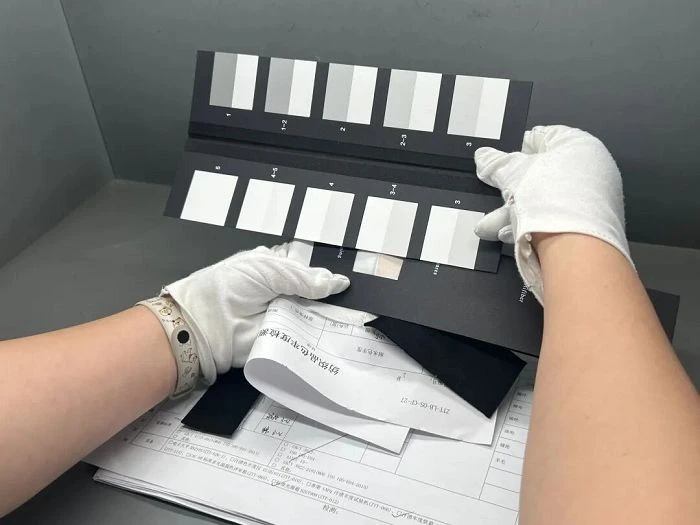
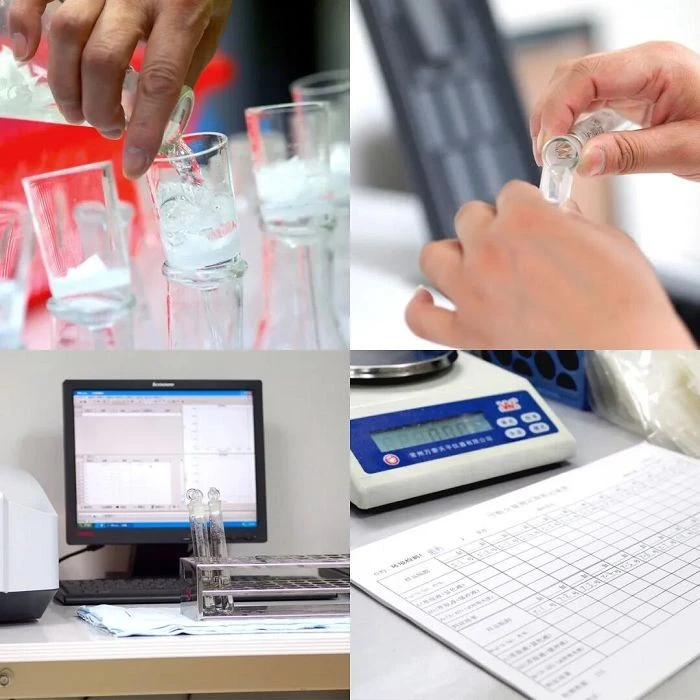
The core of engineering fabric testing focuses on four dimensions: mechanical performance, functional adaptability, durability, and environmental safety. It covers commonly used types of engineering fabrics in construction, infrastructure, environmental protection, and other scenarios.
- Fast Delievery
- Quality Assurance
- 24/7 Customer Service
Product Introduction

Fabric inspection
The core of engineering fabric testing focuses on four dimensions: mechanical performance, functional adaptability, durability, and environmental safety. It covers commonly used types of engineering fabrics in construction, infrastructure, environmental protection, and other scenarios. According to national/industry standards, the testing requirements are clearly defined to ensure that the product meets the core requirements of engineering load-bearing, protection, and anti-seepage. The specific details are as follows:
Testing Scope
(1) Divided by product type
Geosynthetic materials: geotextiles (short fiber needle punched non-woven geotextiles, long fiber spunbond non-woven geotextiles, woven geotextiles), geomembranes, geosynthetic composite films, geogrids, geogrids, geobelts;
Waterproof engineering fabrics: waterproof roll base cloth, waterproof canvas, PVC waterproof cloth, polymer waterproof cloth, asphalt waterproof cloth;
Insulation/protective engineering fabrics: insulation fabric, fireproof fabric, flame-retardant fabric, stab proof fabric, safety protective mesh fabric;
Special functional engineering cloth: anti-seepage cloth, filter cloth, drainage cloth, curing cloth, anti crack adhesive base cloth.
(2) Divided by application scenarios
Building roof/underground waterproofing fabric, roadbed/pavement reinforcement fabric, water conservancy engineering anti-seepage fabric, tunnel support fabric, bridge maintenance fabric, environmental landfill anti-seepage fabric, fire/construction safety protection fabric.

Testing Content
(1) Basic physical performance testing
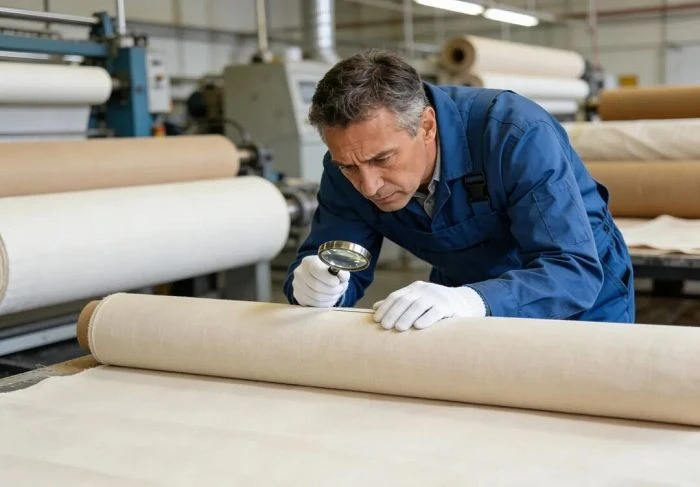
Appearance quality: no damage, holes, oil stains, missing threads, uniformity of fabric surface, consistent color;
Dimensional deviation: width deviation, length deviation, thickness;
Weight per unit area, tested using the weighing method.
(2) Mechanical performance testing
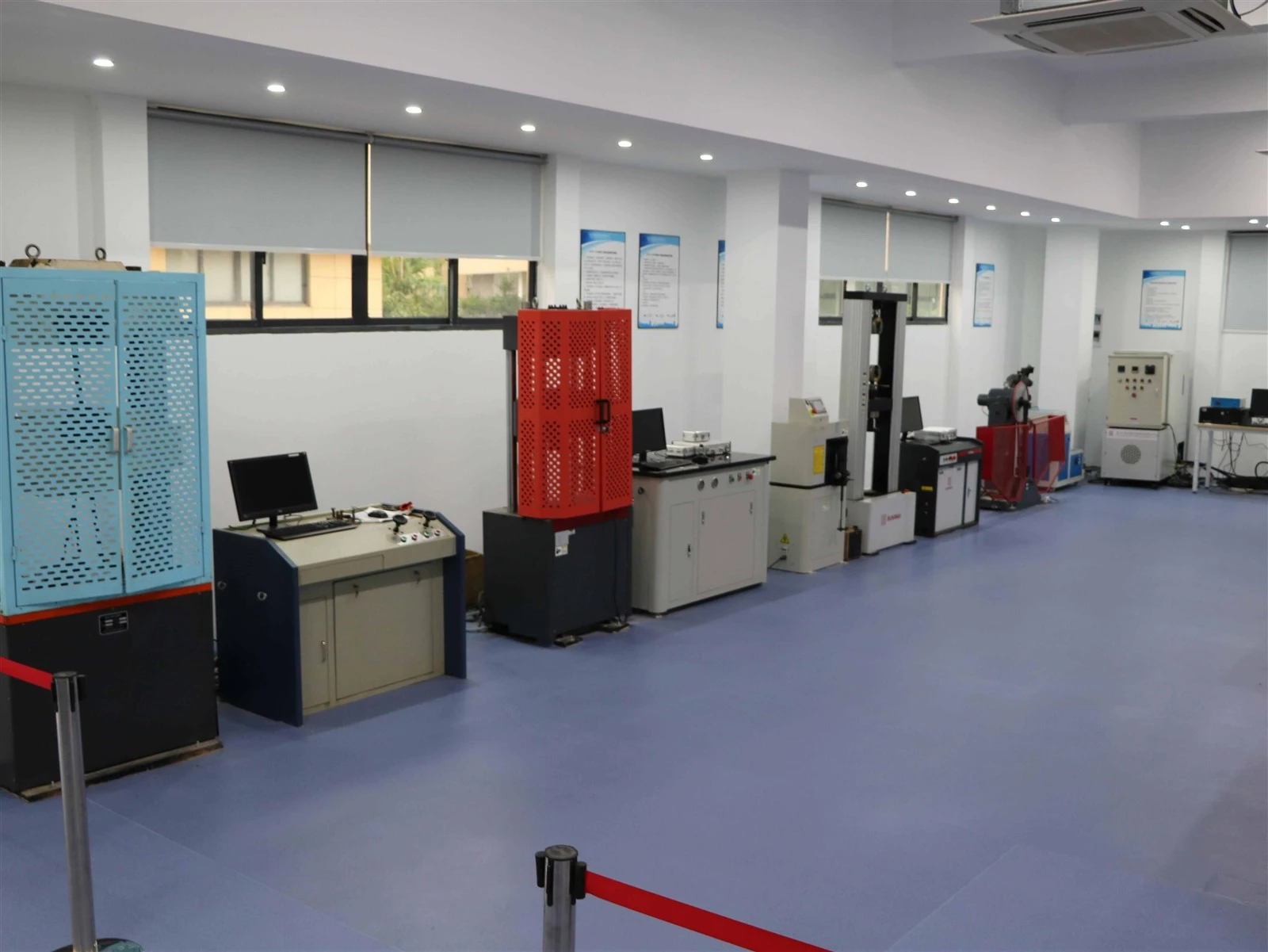
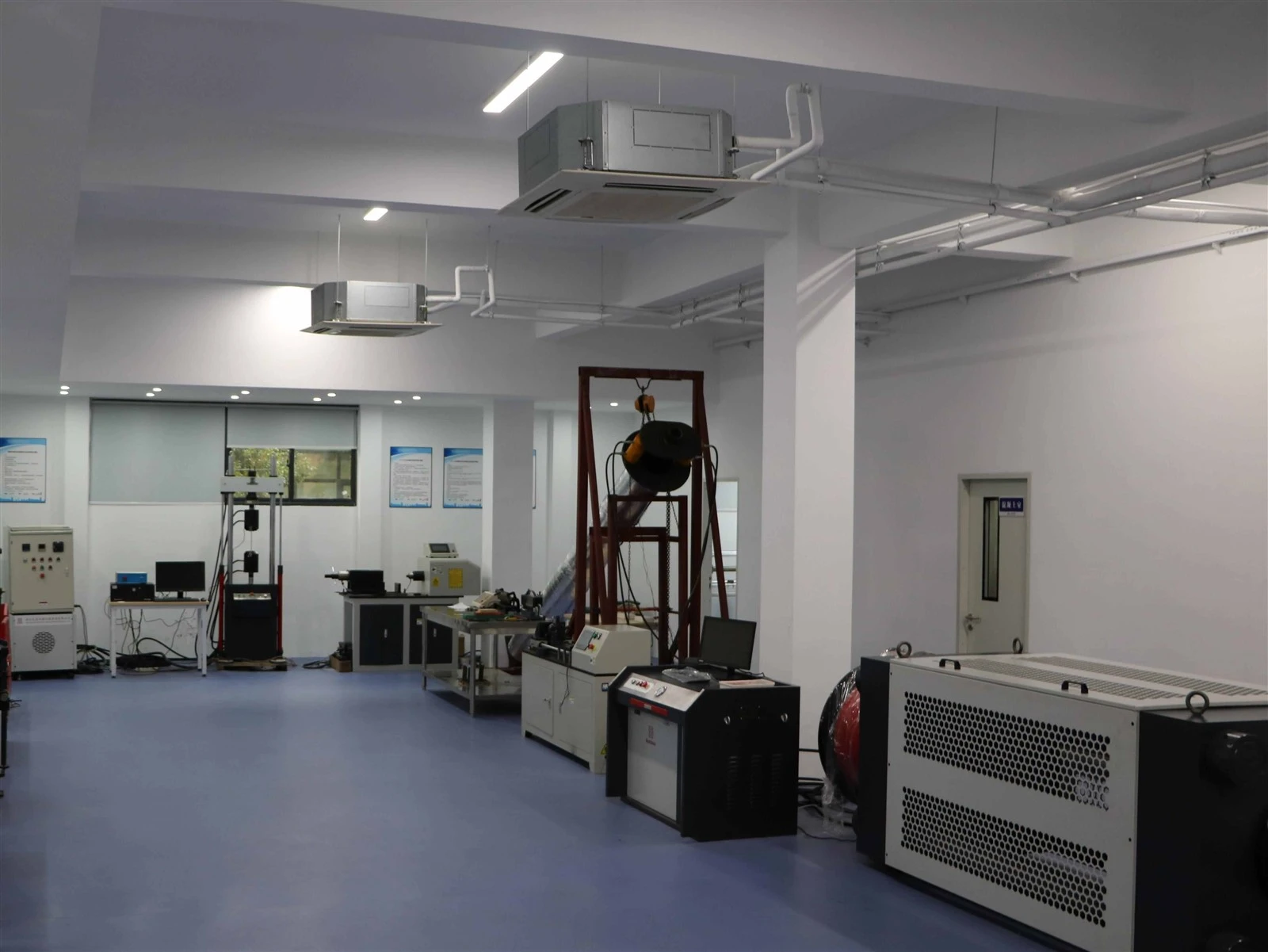
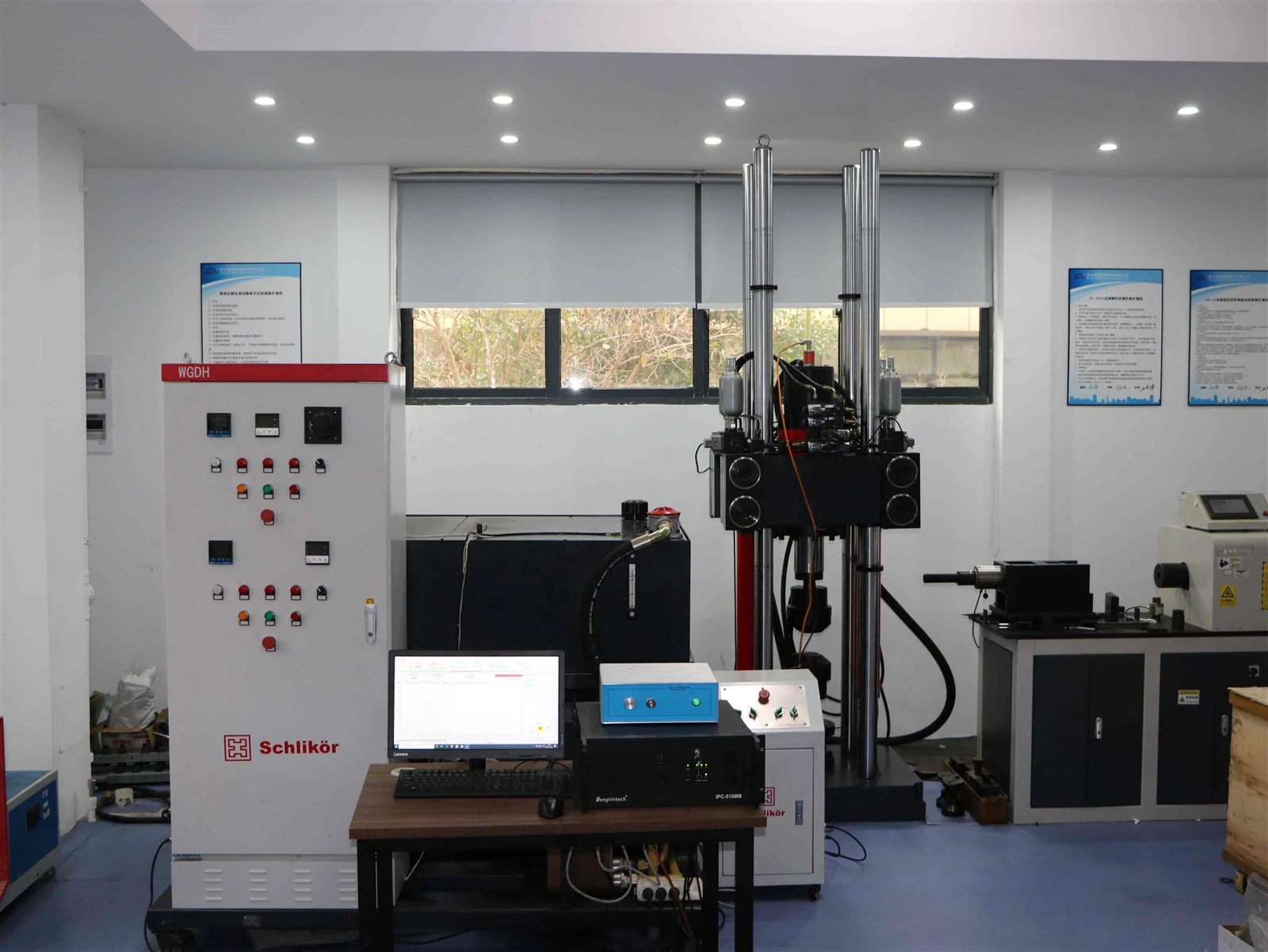
Tensile performance: fracture strength, fracture elongation, tested using a universal material testing machine;
Tear strength: Right angle tear/trapezoidal tear strength, without obvious delamination or uneven fracture;
Bursting strength: spherical bursting strength, with no extensive damage after testing;
Peel strength: Peel strength of fabric film and fabric composite interface, without peel failure;
Creep performance: creep fracture strength and creep deformation rate under long-term load, suitable for the long-term bearing requirements of the roadbed.
(3) Functional performance testing
Waterproof/anti-seepage performance:
Waterproof cloth: resistant to static water pressure and permeability coefficient;
Geomembrane: impermeability;
Filtration/drainage performance (geotextile): equivalent pore size, vertical permeability coefficient;
Thermal insulation performance (insulation cloth): thermal conductivity and heat storage coefficient, meeting the requirements of engineering insulation design;
Flame retardant performance (fire-resistant/protective fabric): combustion performance level, oxygen index, afterburning time, smoldering time;
Anti aging performance:
UV aging: simulating the retention rate of tensile strength and elongation at break after UV irradiation;
Thermal aging: After high-temperature aging, there is no cracking or bonding failure;
Chemical corrosion resistance: After immersion in acidic or alkaline solution, the loss rate of tensile strength is ≤ 20%.
(4) Environmental protection and safety performance testing
Limit of harmful substances: formaldehyde emissions and heavy metals meet the requirements;
Odor: No irritating odor, meets the requirements for indoor/enclosed space use;
Flame retardant safety: No toxic gas release.
Testing Standards
GB/T 17641-2017 Geosynthetics - Cracked film silk woven geotextile
GB/T 19978-2015 Determination of permeability coefficient for anti-seepage performance of geosynthetic materials
GB/T 13763-2019 Determination of Trapezoidal Tear Strength of Geosynthetics
GB/T 14800-2010 Test Method for Tensile Strength of Geosynthetics
GB/T 3287-2018 Test Method for Building Waterproofing Membrane
GB/T 12703-2019 Testing and Evaluation of Waterproof Performance of Textiles
GB/T 23457-2017 Pre laid Waterproof Membrane
GB/T 18173.1-2012 Polymer Waterproof Materials
JC/T 2062-2011 Base Fabric for Polymer Waterproof Rolls
GB/T 8624-2012 Classification of Burning Behavior of Building Materials and Products
GB/T 10288-2016 General Principles for Performance Test Methods of Thermal Insulation Materials
GB/T 17794-2008 Flexible foam Rubber Plastic Thermal Insulation Products
GB/T 29862-2013 Identification of Fiber Content in Textiles
GB 18587-2017 Indoor decoration and renovation materials - Carpets, carpet liners, and carpet adhesives - Limit of harmful substance release
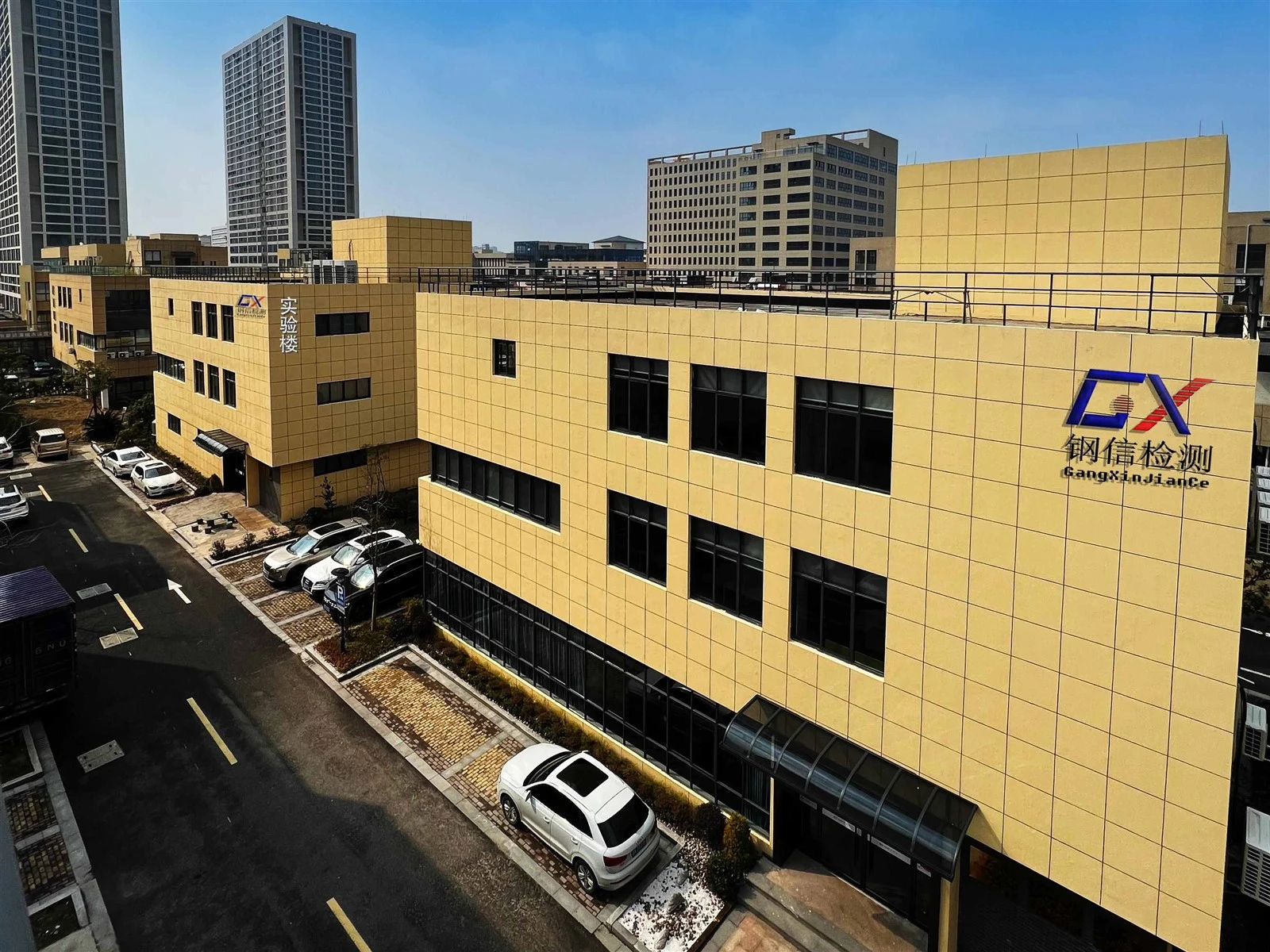
was established in 2011. As a national high-tech enterprise recognized by the Zhejiang Provincial Higher People's Court as a judicial authentication institution for construction engineering quality, we specialize in structural performance testing and safety assessment of construction projects, special equipment, communication towers, electromagnetic environments, large bridges, and building safety appraisal.
The company has more than 100 professional and technical personnel, over 90% of whom hold various medium and senior technical certificates. Equipped with complete testing equipment worth over RMB 10 million, our business scope covers the whole country.