



Mineral Fiber Detection
Building insulation and fire prevention, industrial kiln insulation, rail transportation, ships, aerospace, automotive lightweighting, filtration and separation, sealing materials, friction materials, environmental noise reduction, marine engineering, military protection.
- Fast Delievery
- Quality Assurance
- 24/7 Customer Service
Product Introduction

Detection range
(1) Product type
Natural mineral fibers: asbestos (chrysotile, bluestone, iron asbestos), basalt fiber, sepiolite fiber, attapulgite fiber, wollastonite fiber, gypsum fiber, vermiculite fiber, mica fiber.
Artificial mineral fibers: rock wool, slag wool, glass wool, aluminum silicate (ceramic) fiber, mullite fiber, alumina fiber, boron fiber, silicon carbide fiber.
Product form: raw fiber, chopped fiber, fiber cotton, fiber felt, fiber board, fiber tube shell, fiber rope, fiber cloth, prepreg, composite reinforcement.
(2) Application Fields
Building insulation and fire prevention, industrial kiln insulation, rail transportation, ships, aerospace, automotive lightweighting, filtration and separation, sealing materials, friction materials, environmental noise reduction, marine engineering, military protection.
(3) Testing process
Raw material acceptance, production process control, finished product factory inspection, quality arbitration, environmental and safety assessment, and application adaptability verification.
Testing items
(1) Basic physical, chemical and morphological properties
Appearance and specifications: Appearance, color, impurities, fiber length and distribution, fiber diameter and distribution, aspect ratio, slag ball content, linear density, bulk density, true density, moisture content, moisture absorption, hydrophobicity, oil content, organic matter content, acidity coefficient.
Composition and Structure: Chemical composition (SiO ₂, Al ₂ O Ⅲ, CaO, MgO and other main components and trace elements), phase composition (XRD), molecular structure (IR), crystallinity, surface morphology (SEM), porosity, specific surface area.
Asbestos Specialty: Identification of asbestos types, asbestos content, fiber counting, biological persistence, toxicity assessment.
(2) Mechanical properties
Tensile properties: fracture strength, elongation at break, modulus of elasticity, tensile stress-strain curve.
Strength and toughness: compressive strength, flexural strength, flexural strength, shear strength, impact strength, wear resistance, bond strength, frost resistance, thermal shock resistance.
Dimensional stability: thermal shrinkage rate, thermal load shrinkage temperature, coefficient of linear expansion, dimensional change rate.

(3) Thermodynamics and Combustion Performance
Thermal stability: thermal decomposition temperature, glass transition temperature, melting point, thermal weight loss rate (TGA), maximum operating temperature, thermal conductivity, thermal resistance value.
Combustion performance: non flammability, combustion grade (A1/A2), ultimate oxygen index, vertical combustion, horizontal combustion, smoke density, smoke toxicity, fire resistance limit.
(4) Environmental and chemical resistance
Medium resistance: acid resistance, alkali resistance, salt resistance, oil resistance, solvent resistance, hydrolysis resistance, moisture resistance, mold resistance, ozone resistance.
Weather resistance and aging: UV aging, xenon lamp aging, thermal aging, salt spray corrosion, high and low temperature cycling, freeze-thaw cycling.
Interface performance: surface energy, contact angle, resin wettability, interface shear strength.
(5) Function and safety performance
Functional characteristics: filtration efficiency, air permeability, sound insulation performance, electrical insulation (volume/surface resistivity), dielectric performance, anti-static, thermal/electrical conductivity.
Environmental safety: Heavy metals (Pb, Cd, Cr ⁶⁺) Hg,As), Free formaldehyde VOC, Asbestos limits, biocompatibility, dust concentration, occupational health limits.
Testing standards
GB/T 5480-2017 Test Methods for Mineral Wool and Its Products
GB/T 11835-2016 Rock wool, slag wool and their products for insulation
GB/T 13350-2017 Glass wool and its products for insulation
GB/T 176-2017 Methods for Chemical Analysis of Cement (Composition Reference)
GB/T 23263-2009 Determination of asbestos in building materials
GB/T 5480-2017 Fiber Average Diameter, Slag Ball Content, Acidity Coefficient, Moisture Absorption, Oil Content, Water Absorption, Organic Matter Content, Thermal Load Shrinkage Temperature
GB/T 6342-1996 Cellular Plastics and Rubber Determination of Linear Dimensions (Dimensional Reference)
GB/T 10294-2008 Determination of steady-state thermal resistance and related characteristics of insulation materials - Protective hot plate method (thermal conductivity)
GB/T 10295-2008 Determination of steady-state thermal resistance and related characteristics of insulation materials - Heat flow meter method (thermal conductivity)
GB/T 5480-2017 Compression Strength, Bending Strength, and Heat Shrinkage Temperature
GB/T 10297-2015 Determination of thermal conductivity of non-metallic solid materials - Hot wire method
GB/T 17430-2015 Evaluation Method for Maximum Operating Temperature of Thermal Insulation Materials
GB 8624-2012 Classification of Burning Behavior of Building Materials and Products
GB/T 5454-1997 Textiles Combustion Performance Oxygen Index Method (Reference for Mineral Fiber Fabrics)
GB/T 5455-2014 Textile Burning Behavior Vertical Method (Reference for Mineral Fiber Fabrics)
GB 18580-2017 Indoor decoration materials - Formaldehyde emission limits in artificial boards and their products (reference)
GB/T 30512-2014 Combustion Characteristics of Automotive Interior Materials
ISO 14966:2012 Determination of inorganic fiber particles in ambient air using scanning electron microscopy method
NIOSH 7400 Counting Method for Asbestos and Other Fibers
ASTM C1116 Test Specification for Mineral Fiber Thermal Insulation Materials
ASTM D578 Test Method for Glass Fiber Yarn
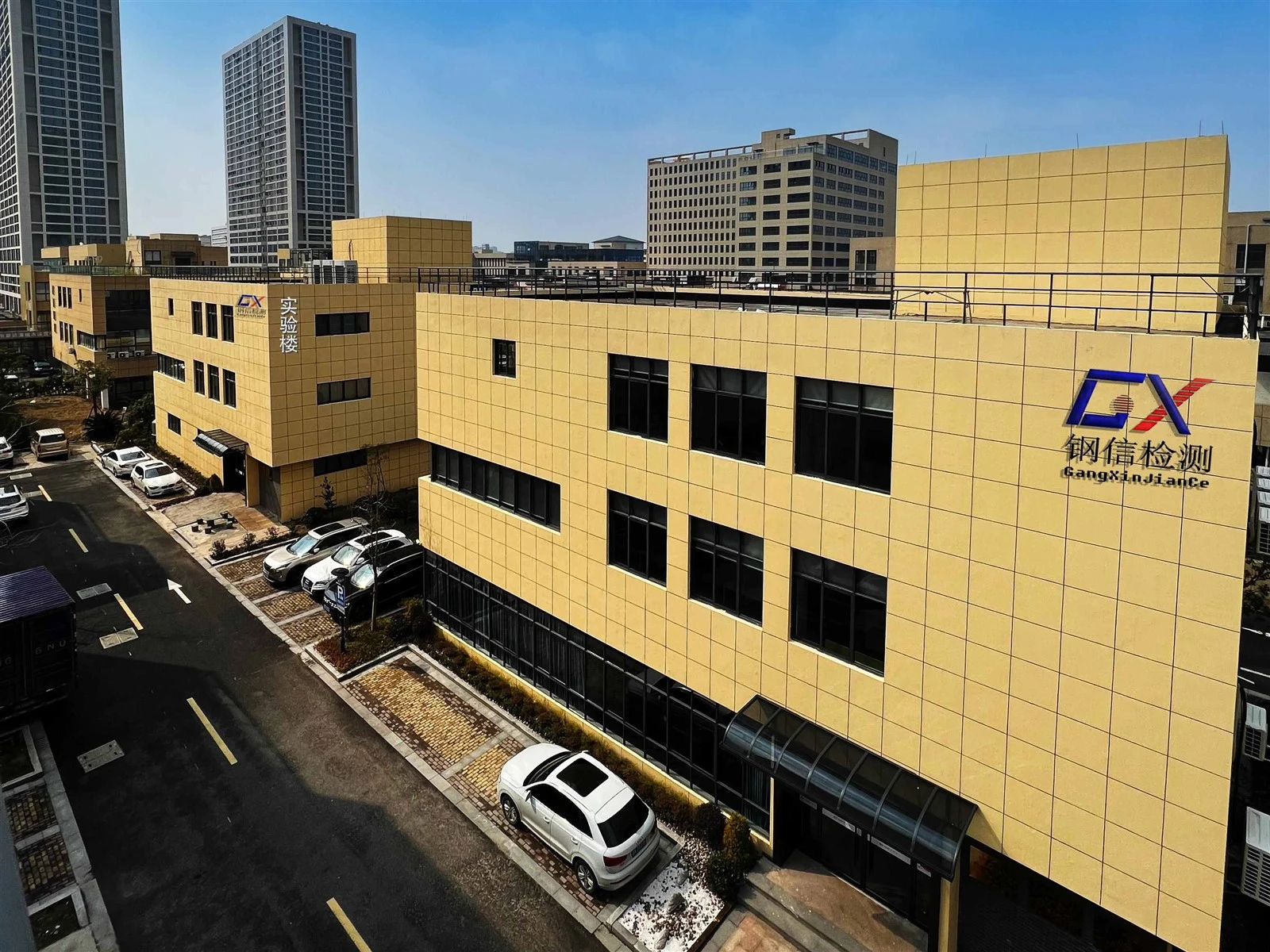
was established in 2011. As a national high-tech enterprise recognized by the Zhejiang Provincial Higher People's Court as a judicial authentication institution for construction engineering quality, we specialize in structural performance testing and safety assessment of construction projects, special equipment, communication towers, electromagnetic environments, large bridges, and building safety appraisal.
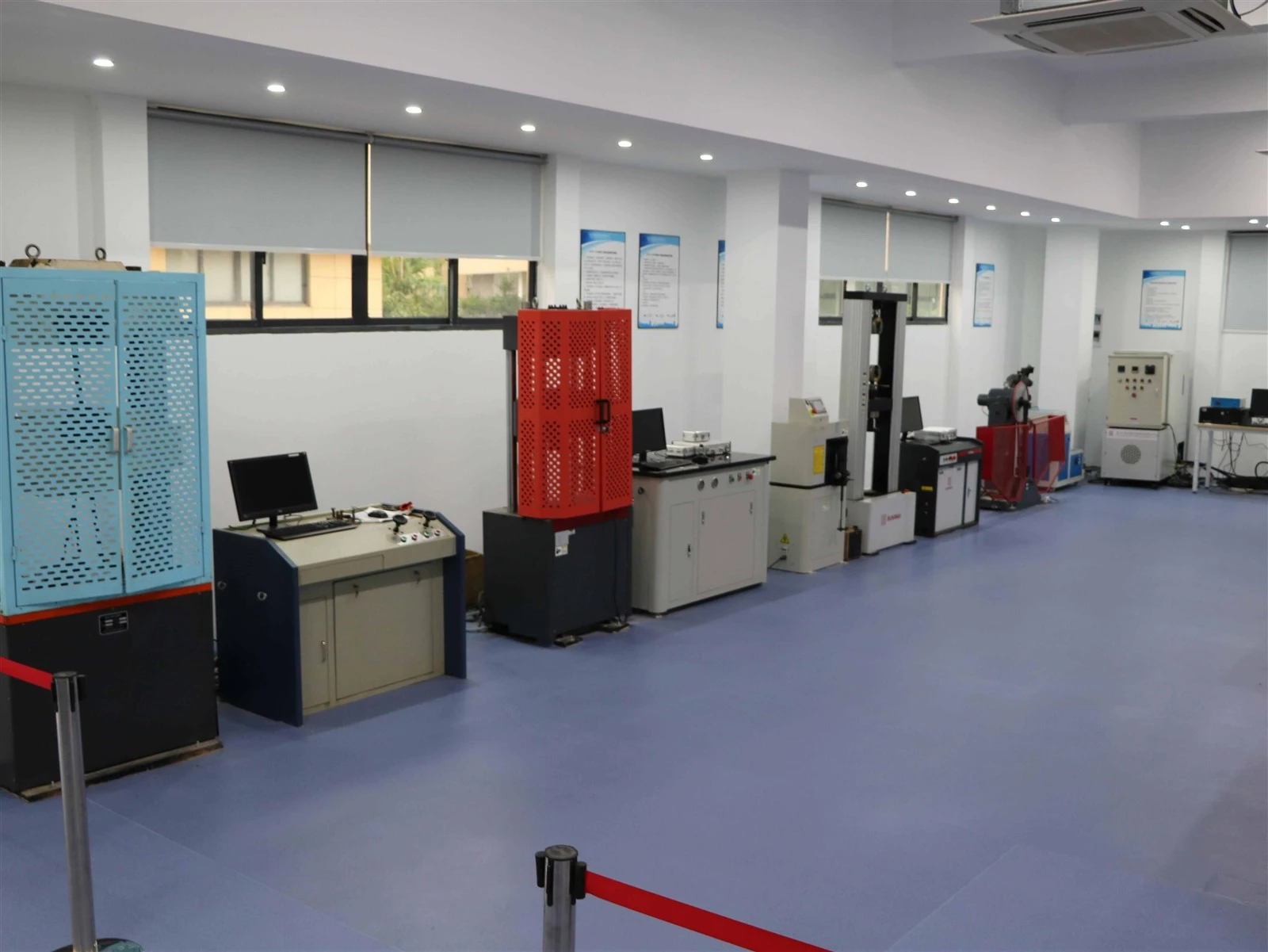
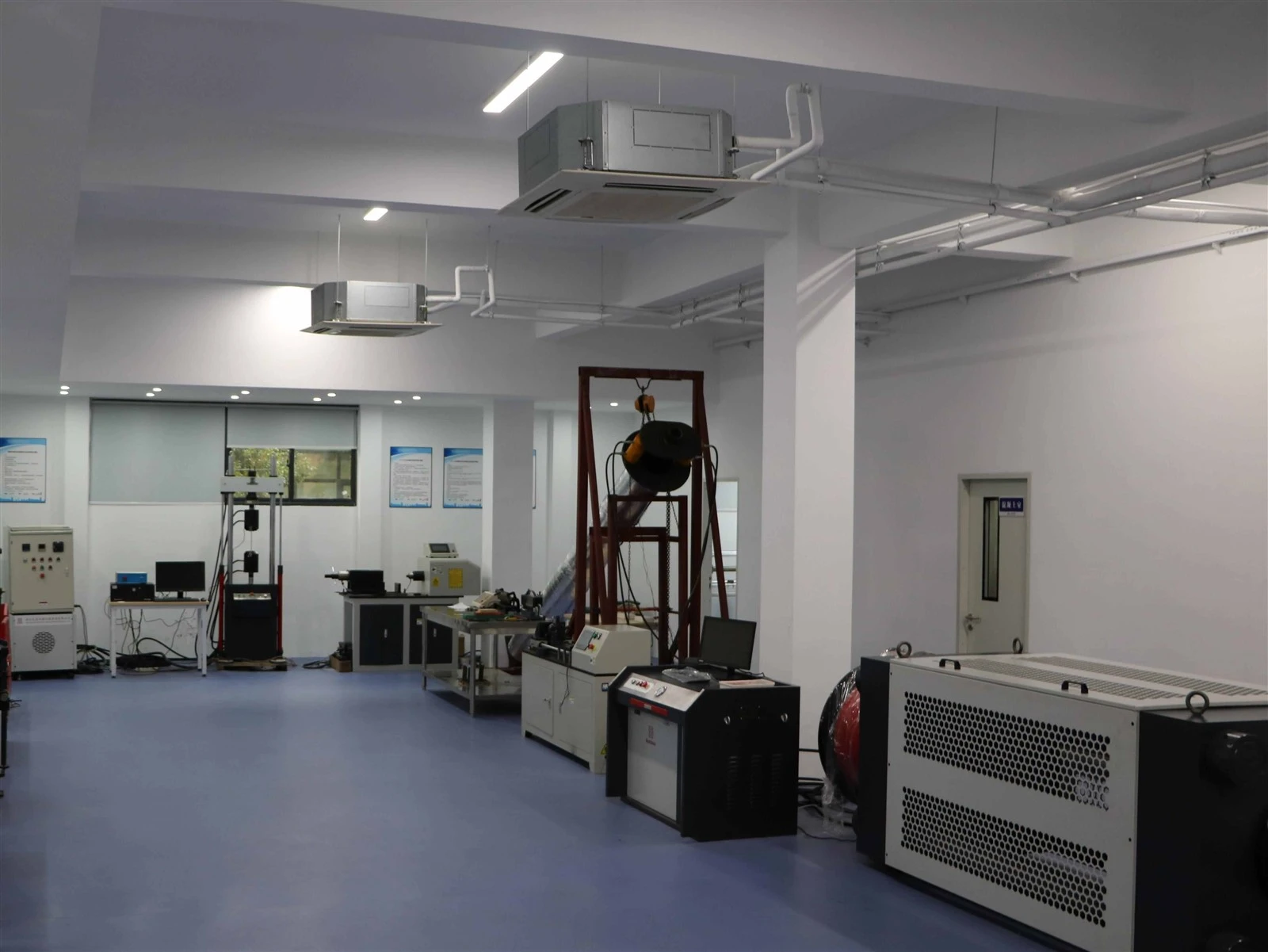
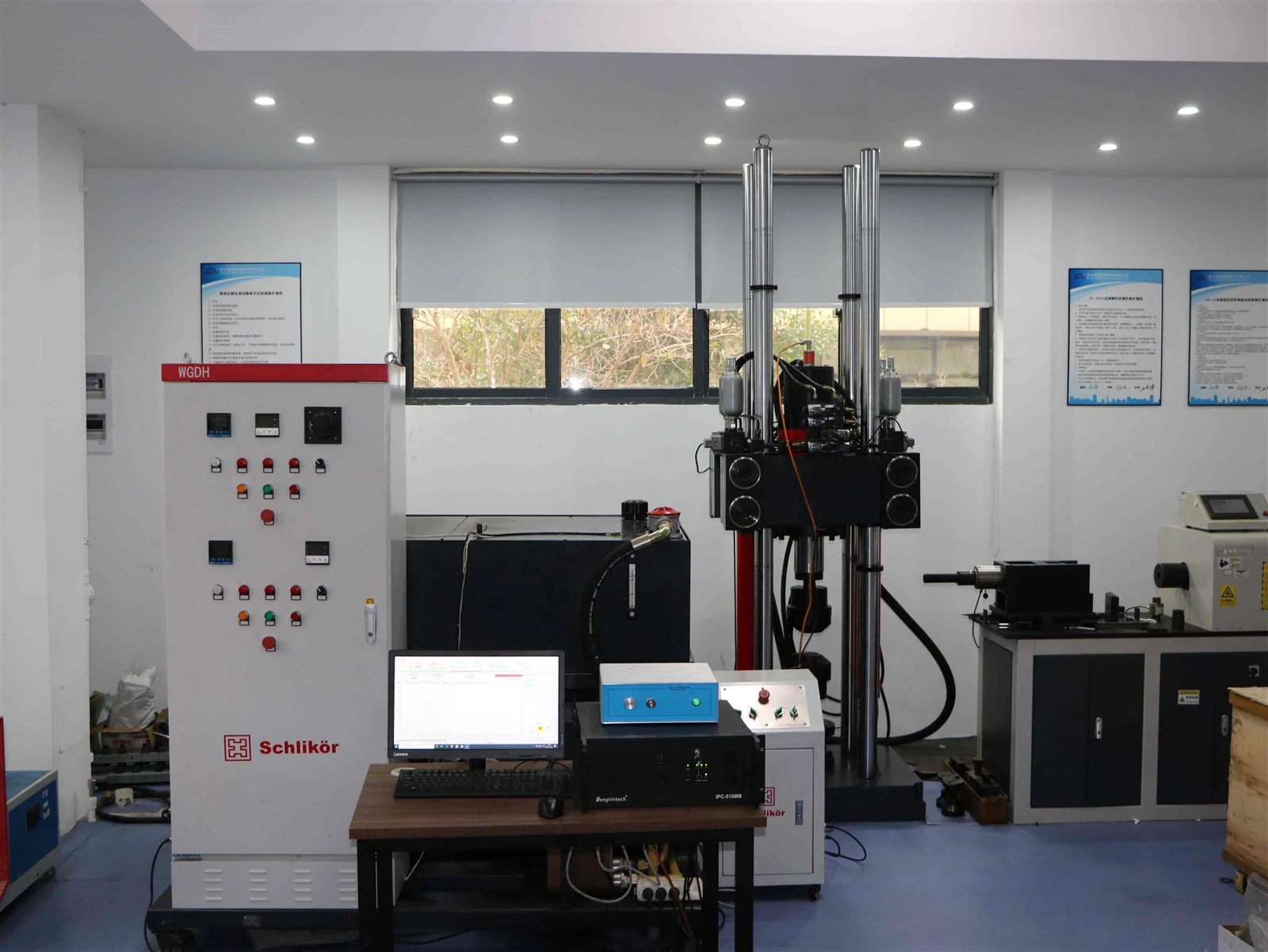
The company has more than 100 professional and technical personnel, over 90% of whom hold various medium and senior technical certificates. Equipped with complete testing equipment worth over RMB 10 million, our business scope covers the whole country.