

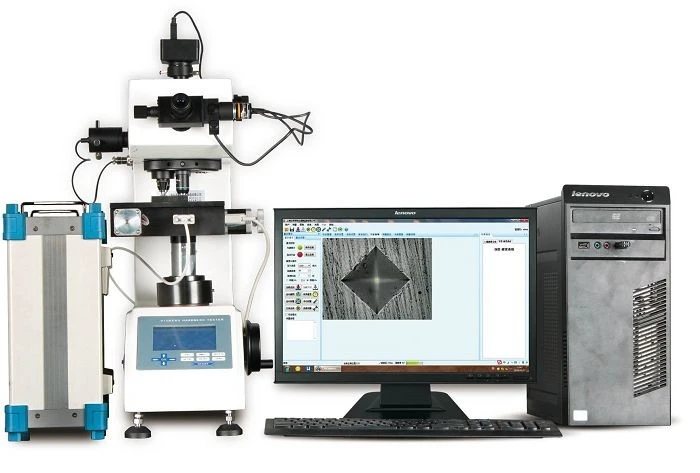
High Performance Fiber (chemical Fiber) Testing
High strength and high modulus: carbon fiber (PAN based, drained based), aramid 1414 (para aramid), ultra-high molecular weight polyethylene (UHMWPE) fiber, PBO fiber, polyimide (PI) fiber.
- Fast Delievery
- Quality Assurance
- 24/7 Customer Service
Product Introduction

Detection range
(1) Applicable product types
High strength and high modulus: carbon fiber (PAN based, drained based), aramid 1414 (para aramid), ultra-high molecular weight polyethylene (UHMWPE) fiber, PBO fiber, polyimide (PI) fiber.
High temperature resistant and flame-retardant materials: aramid 1313 (meta aramid), polyphenylene sulfide (PPS) fiber, polyether ether ketone (PEEK) fiber, basalt fiber.
Functional enhancement category: glass fiber (continuous felt, short cut yarn), basalt fiber, high-performance polyester (PET) industrial yarn, nylon (PA6/PA66) high-strength yarn.
Product form: raw silk, long filament, short fiber, multifilament, single filament, short cut yarn, fiber bundle, fabric (woven/knitted/non-woven), prepreg, composite reinforcement.
(2) Applicable scenarios and substrates
Application areas: aerospace, rail transportation, automotive lightweighting, wind turbine blades, building reinforcement, marine engineering, security protection (bulletproof, anti cutting), filtration and separation, electronic and electrical, medical implants.
Testing process: raw material acceptance, production process control, finished product factory inspection, formula optimization, application compatibility verification, quality arbitration, third-party certification.
Testing items
(1) Basic physical, chemical and morphological properties
Appearance and specifications: Appearance, color, defects (stiff fibers, tangled fibers, rubber blocks), linear density (single/multiple fibers), linear density deviation, length and deviation (short fibers), curl number/curl degree/curl elasticity recovery rate, number of single fibers, network degree (long fibers), oil content, moisture regain rate.
Structural characterization: cross-sectional morphology and irregularity, diameter/fineness distribution, surface morphology (SEM), crystallinity, orientation, molecular structure (IR), ash content, volatile matter.
(2) Core mechanical performance (high-performance key indicators)
Tensile properties: fracture strength, elongation at break, modulus of elasticity (initial/tangent), Poisson's ratio, tensile stress-strain curve, tensile strength at constant elongation, wet tensile properties (as required).
Strength and toughness: tear strength, impact strength, bending strength/modulus, compression strength/modulus, shear strength, hook strength, knot strength, wear resistance.
Dynamics and Durability Mechanics: Fatigue Performance (Pull Pull/Bend), Creep and Stress Relaxation, Folding Resistance, Differences in Longitudinal/latitudinal Performance (Fabric).

(3) Thermal performance (high temperature resistance and stability)
Thermal stability: Thermal decomposition temperature (Td), glass transition temperature (Tg), melting point (Tm, crystalline form), enthalpy of fusion, thermogravimetric analysis (TGA), high temperature dimensional stability.
Thermal shrinkage and aging: dry heat shrinkage rate, boiling water shrinkage rate, hot air shrinkage rate, thermal aging (strength retention rate, yellowing, weight loss), wet heat aging, high and low temperature cycling performance.
Combustion performance: Limiting Oxygen Index (LOI), vertical combustion (damage length, afterburning/smoldering time), horizontal combustion, smoke density, smoke toxicity, ignition temperature of the burning wire.
(4) Environmental and chemical resistance
Medium resistance: acid resistance, alkali resistance, salt resistance, solvent resistance, oil resistance, hydrolysis resistance, sweat resistance, mold resistance, ozone resistance.
Weather resistance and aging: UV aging (strong retention rate, color difference), xenon lamp aging, carbon arc lamp aging, salt spray corrosion (metal composite fibers), freeze-thaw cycle.
Interface and adaptability: surface treatment agent content (coupling agent), surface energy, contact angle, resin wettability, interfacial shear strength (IFSS).
(5) Electrical performance and functional characteristics
Electrical properties: surface resistivity, volume resistivity, dielectric constant, dielectric strength, arc resistance, anti-static performance (half-life of electrostatic decay).
Special features: antibacterial rate, UV protection (UPF), conductivity/thermal conductivity, absorption performance, filtration efficiency (particle size 0.3 μ m), bulletproof performance (V50), and anti cutting grade.
(6) Environmental Protection and Safety Performance
Harmful substances: VOCs, heavy metals (Pb, Cd, Cr VI) Hg), Residual monomers (caprolactam, acrylonitrile), free formaldehyde, azo dyes, banned aromatic amines.
Compliance: RoHS, REACH (SVHC), food contact migration (as needed), biocompatibility (for medical use, cytotoxicity, sensitization, irritation).
Testing standards
GB/T 4146.1 Textiles - Chemical Fibers - Part 1: Generic Names
GB/T 6502 Sampling Method for Chemical Fiber Filament
GB/T 14334 Chemical Fiber Short Fiber Sampling Method
GB/T 6503 Test Method for Moisture regain of Chemical Fibers
GB/T 6504 Test Method for Oil Content of Chemical Fibers
GB/T 14335 Test Method for Linear Density of Chemical Fiber Short Fibers
GB/T 14336 Chemical Fiber Short Fiber Length Test Method
GB/T 14338 Test Method for Curling Properties of Chemical Fiber Short Fibers
GB/T 14339 Chemical Fiber Short Fiber Defect Test Method
GB/T 6505 Test Method for Thermal Shrinkage of Chemical Fiber Filaments
GB/T 14337 Test Method for Tensile Properties of Chemical Fiber Short Fibers
GB/T 3362 Test method for tensile properties of carbon fiber multifilament
GB/T 30766 Test Method for Tensile Properties of Carbon Fiber Monofilaments
GB/T 3923.1 Textiles - Tensile properties of fabrics - Part 1: Determination of tensile strength and elongation at break
GB/T 13773.1 Textiles - Joint tensile properties of fabrics and their products - Part 1: Determination of joint breaking strength by strip method
GB/T 26731 Test Method for Tensile Properties of Ultra high Molecular Weight Polyethylene Fibers
GB/T 14343 Test Method for Thermal Decomposition Temperature of Chemical Fibers
GB/T 19975 Textiles - Determination of Melting Point and Melting Temperature of Fibers - Differential Scanning Calorimetry (DSC) Method
GB/T 5454 Textiles - Determination of Burning Properties - Oxygen Index Method
GB/T 5455 Textiles - Determination of vertical damage length, smoldering and reigning time for combustion performance
GB/T 17592 Textiles - Determination of Prohibited Azo Dyes
GB/T 12703 Evaluation of Electrostatic Properties of Textiles
GB/T 14342 Test Method for Specific Resistance of Synthetic Short Fibers
GB/T 20199 Evaluation of UV Protection Performance of Textiles
GB/T 31268 Technical Specification for Textile Safety
ISO 11566 Determination of density of carbon fiber by pyknometer method
ASTM D4018 Test Method for Tensile Properties of Polymer Based Reinforced Fibers
GB 4806.6 National Food Safety Standard Plastic Resin for Food Contact
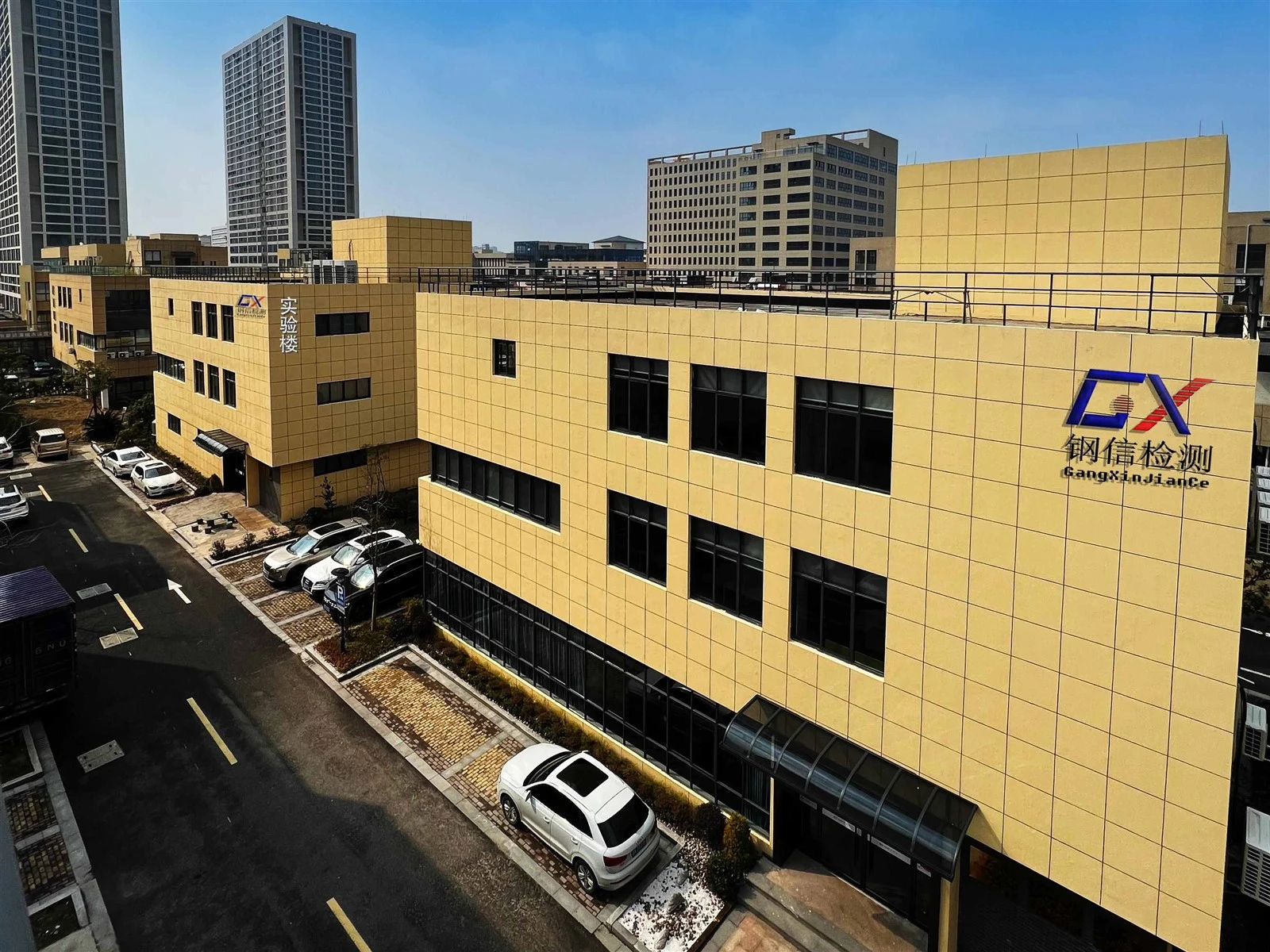
was established in 2011. As a national high-tech enterprise recognized by the Zhejiang Provincial Higher People's Court as a judicial authentication institution for construction engineering quality, we specialize in structural performance testing and safety assessment of construction projects, special equipment, communication towers, electromagnetic environments, large bridges, and building safety appraisal.
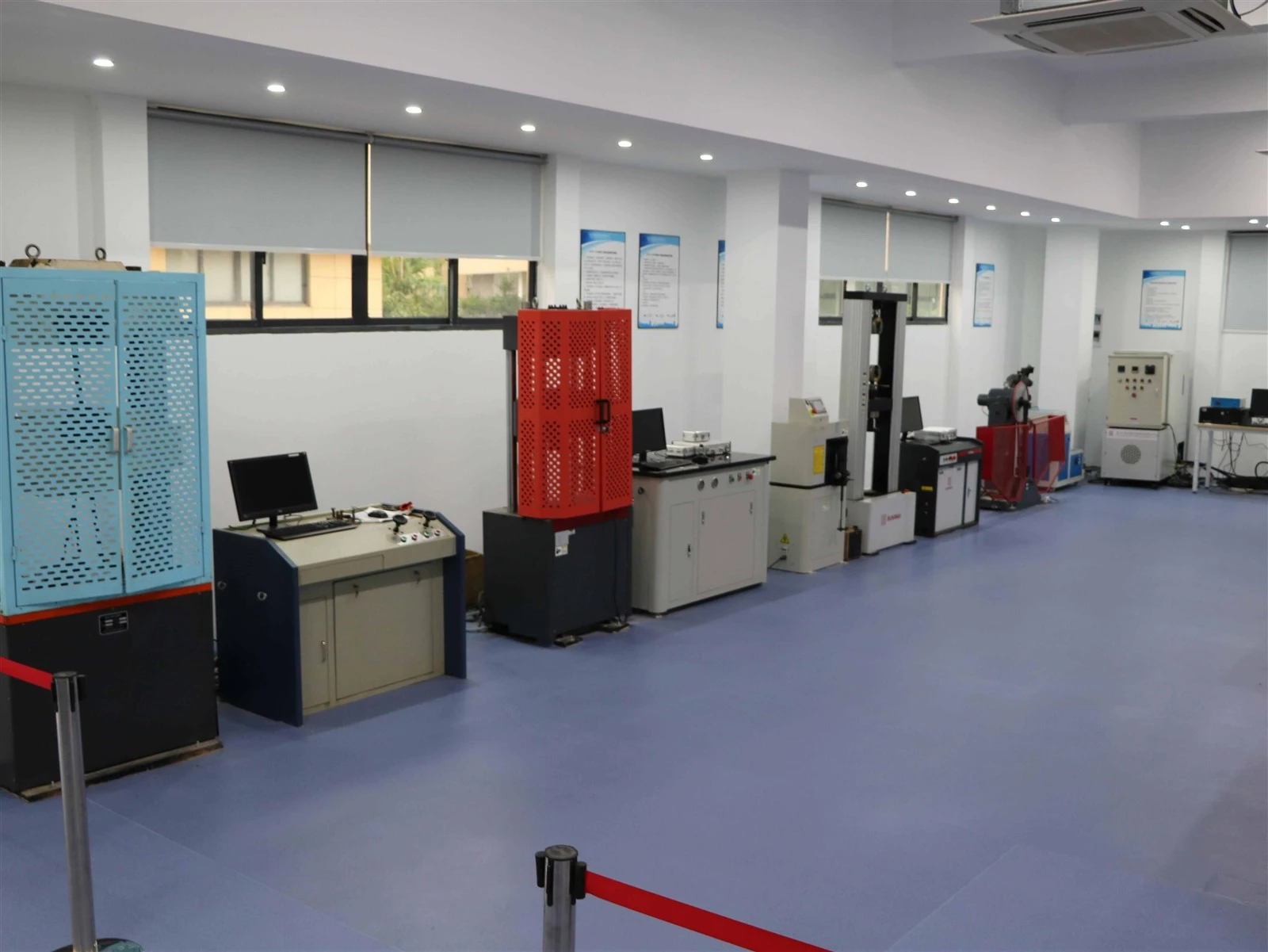
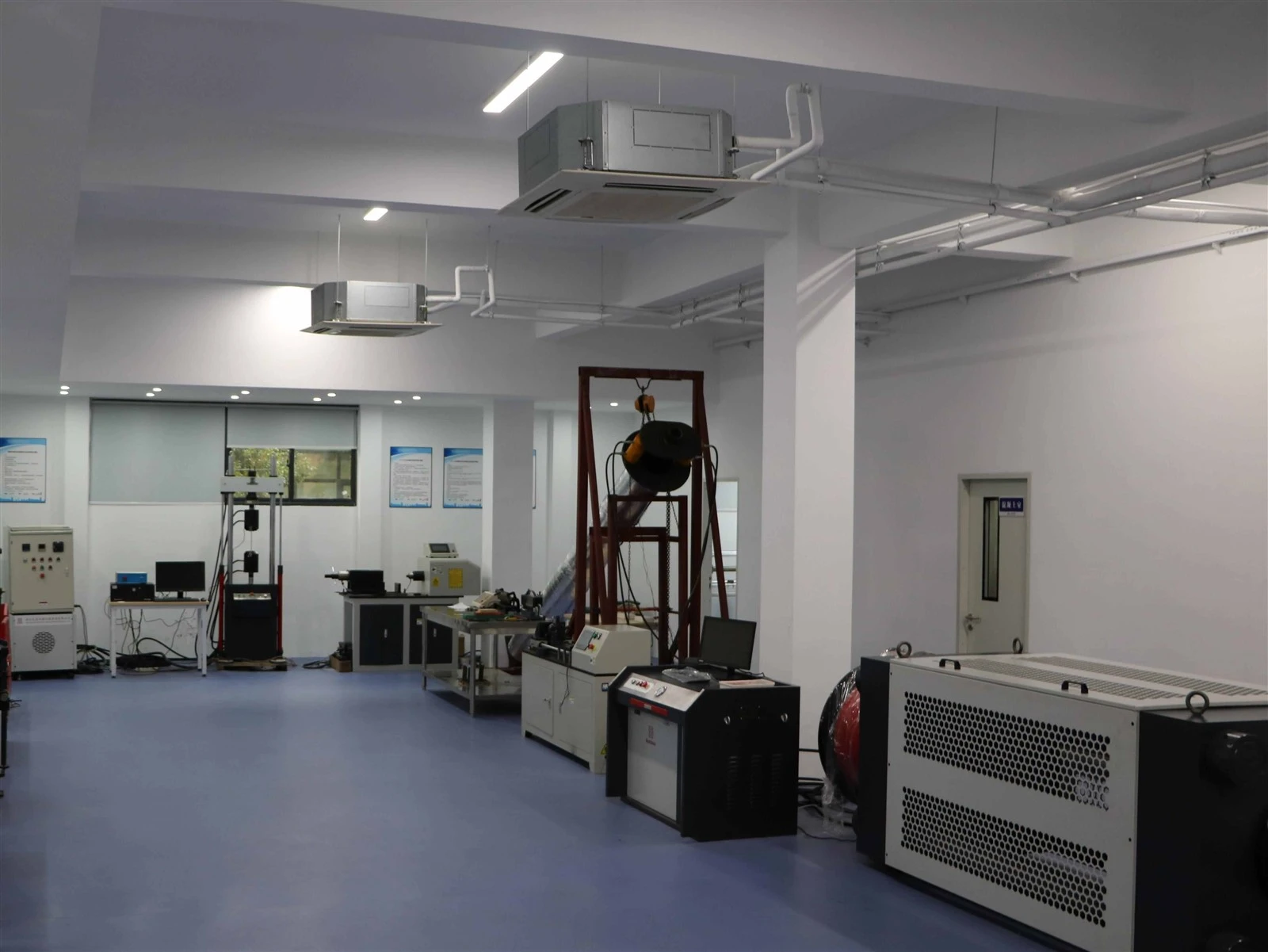
The company has more than 100 professional and technical personnel, over 90% of whom hold various medium and senior technical certificates. Equipped with complete testing equipment worth over RMB 10 million, our business scope covers the whole country.

No Information


