


Plant Growth Regulator Testing
Applicable scenarios: raw material acceptance, product quality inspection, field efficacy evaluation, crop safety testing, agricultural product residue monitoring, environmental behavior testing, market supervision spot checks, export compliance testing, arbitration testing.
- Fast Delievery
- Quality Assurance
- 24/7 Customer Service
Product Introduction

Detection range
(1) Product types: auxin, gibberellins, cytokinins, ethephon, abscisic acid, brassinolide, paclobutrazol, uniconazole, dwarfism, chlorfenapyr, sodium nitrophenolate, aminoethyl ester, triacontanol, inducers and other plant growth regulator active ingredients, water agents, emulsions, soluble powders, wettable powders, suspensions and other formulations.
(2) Applicable scenarios: raw material acceptance, product quality inspection, field efficacy evaluation, crop safety testing, agricultural product residue monitoring, environmental behavior testing, market supervision spot checks, export compliance testing, arbitration testing.
Testing items
(1) Appearance and physical and chemical properties
Appearance, color, odor, condition, active ingredient content, pH value, moisture, density, melting point, particle size, drying loss, burning residue, insoluble matter, clarity, emulsion stability, suspension rate, dispersibility, wettability, and persistent foaming.
(2) Impurities and harmful substances
Regarding substances, isomers, degradation products, heavy metals (lead, cadmium, mercury, arsenic, chromium), methanol, benzene derivatives, residual solvents, nitrosamines, banned components.
(3) Biology and Application Performance
Regulating activity, promoting growth/controlling vigor effect, promoting flower bud differentiation, preserving flowers and fruits, swelling and coloring, ripening, stress resistance, crop safety, shelf life, quick effect, compatibility.
(4) Stability indicators
Thermal storage stability, low-temperature stability, freeze-thaw stability, photostability, hydrolytic stability, accelerated stability, long-term storage stability, and packaging compatibility.
(5) Residue and Environmental Safety
Agricultural product residue, soil residue, water residue, degradation half-life, migration and transformation, ecological toxicity (to fish, algae, bees, birds, silkworms, etc.).
(6) Toxicology and safety indicators
Acute oral/dermal toxicity, skin/eye irritation, sensitization, subchronic/chronic toxicity, mutagenicity, teratogenicity, carcinogenicity.

Testing standards
GB/T 1600 Pesticide Moisture Determination Method
GB/T 1601 Method for determination of pH value of pesticides
GB/T 1604 Acceptance Rules for Commercial Pesticides
GB/T 19136 Determination of Thermal Storage Stability of Pesticides
GB/T 19137 Determination of Low Temperature Stability of Pesticides
GB/T 28137 Method for determination of pesticide suspension rate
GB 2763 National Food Safety Standard Maximum Residue Limits for Pesticides in Food
GB/T 8321 Guidelines for Field Efficacy Trials of Pesticides
GB/T 31270 Test Criteria for Environmental Safety Assessment of Chemical
Pesticides
GB/T 15670 Pesticide Registration Toxicological Test Methods
NY/T 1156 Pesticide Indoor Bioactivity Determination Test Guidelines
GB/T 37500 General Test Method for Plant Growth Regulators
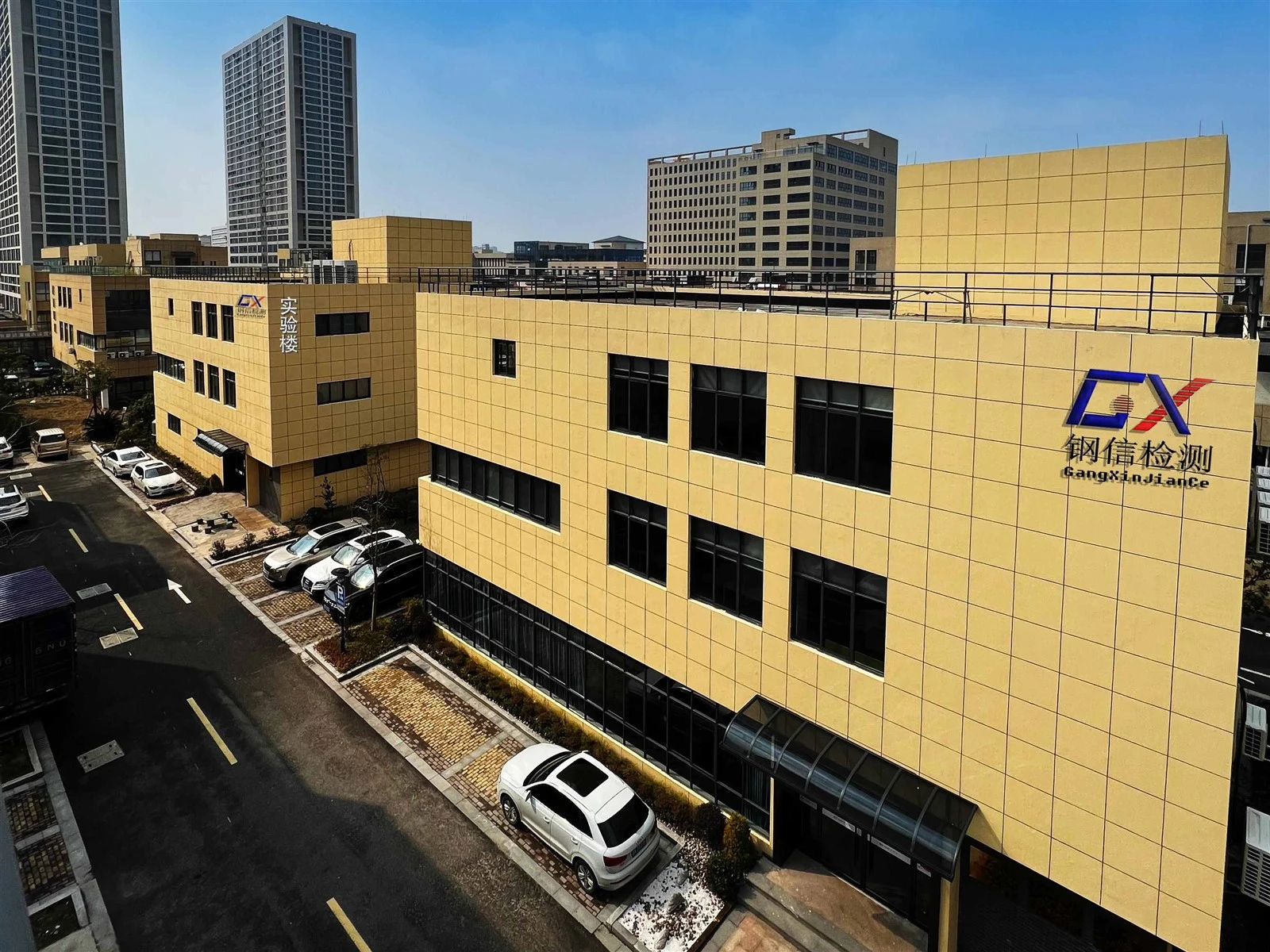
was established in 2011. As a national high-tech enterprise recognized by the Zhejiang Provincial Higher People's Court as a judicial authentication institution for construction engineering quality, we specialize in structural performance testing and safety assessment of construction projects, special equipment, communication towers, electromagnetic environments, large bridges, and building safety appraisal.
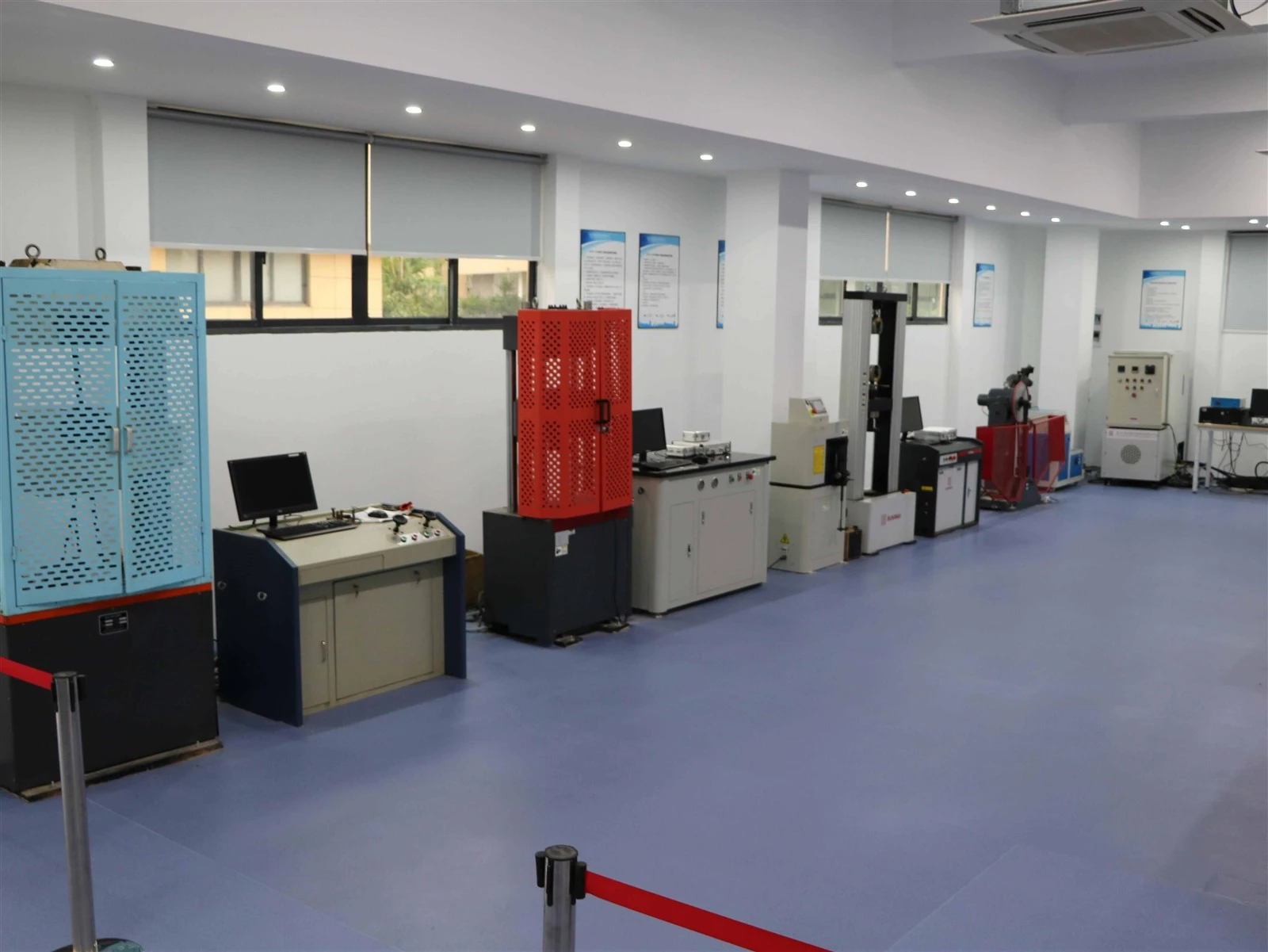
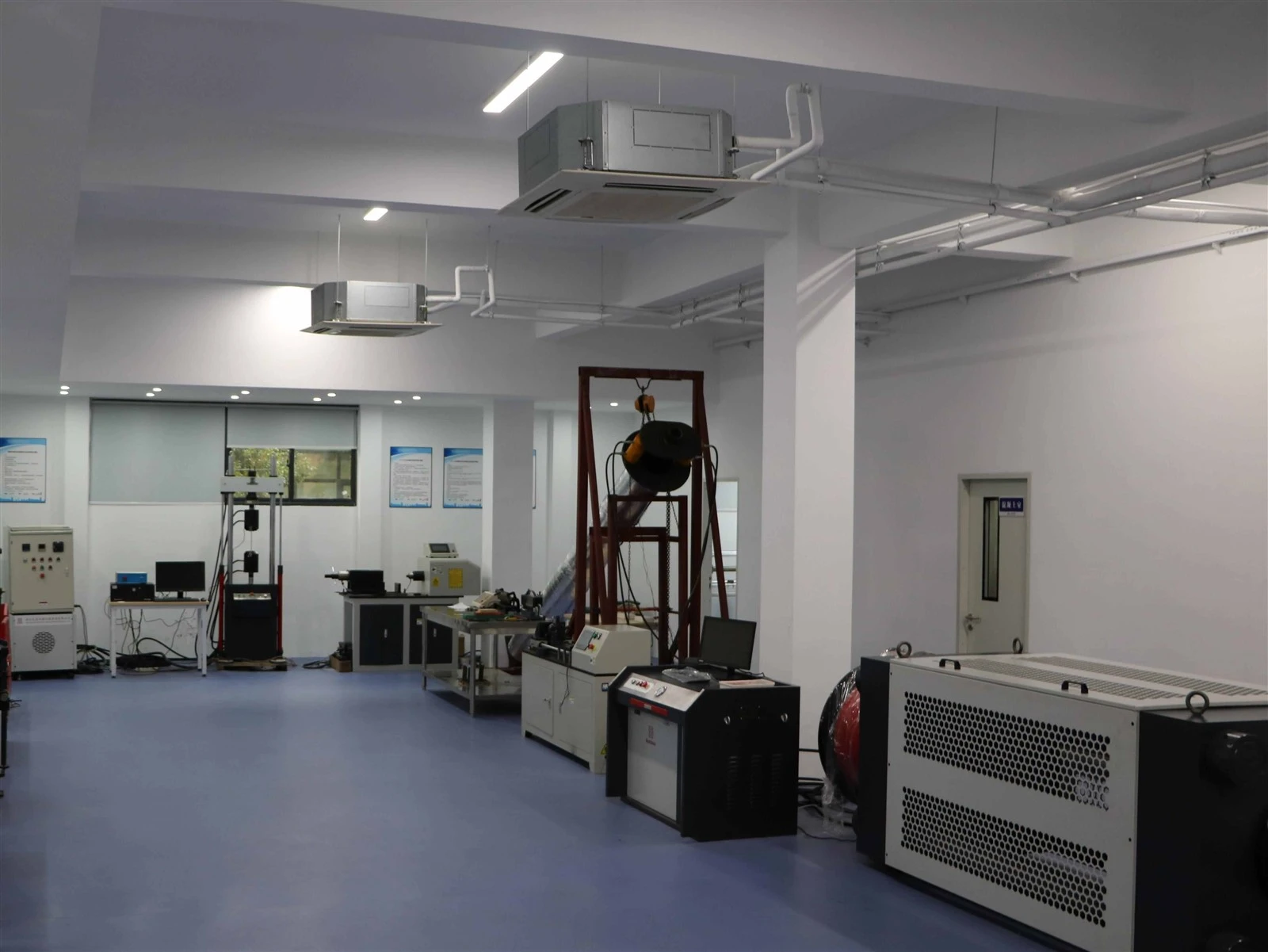
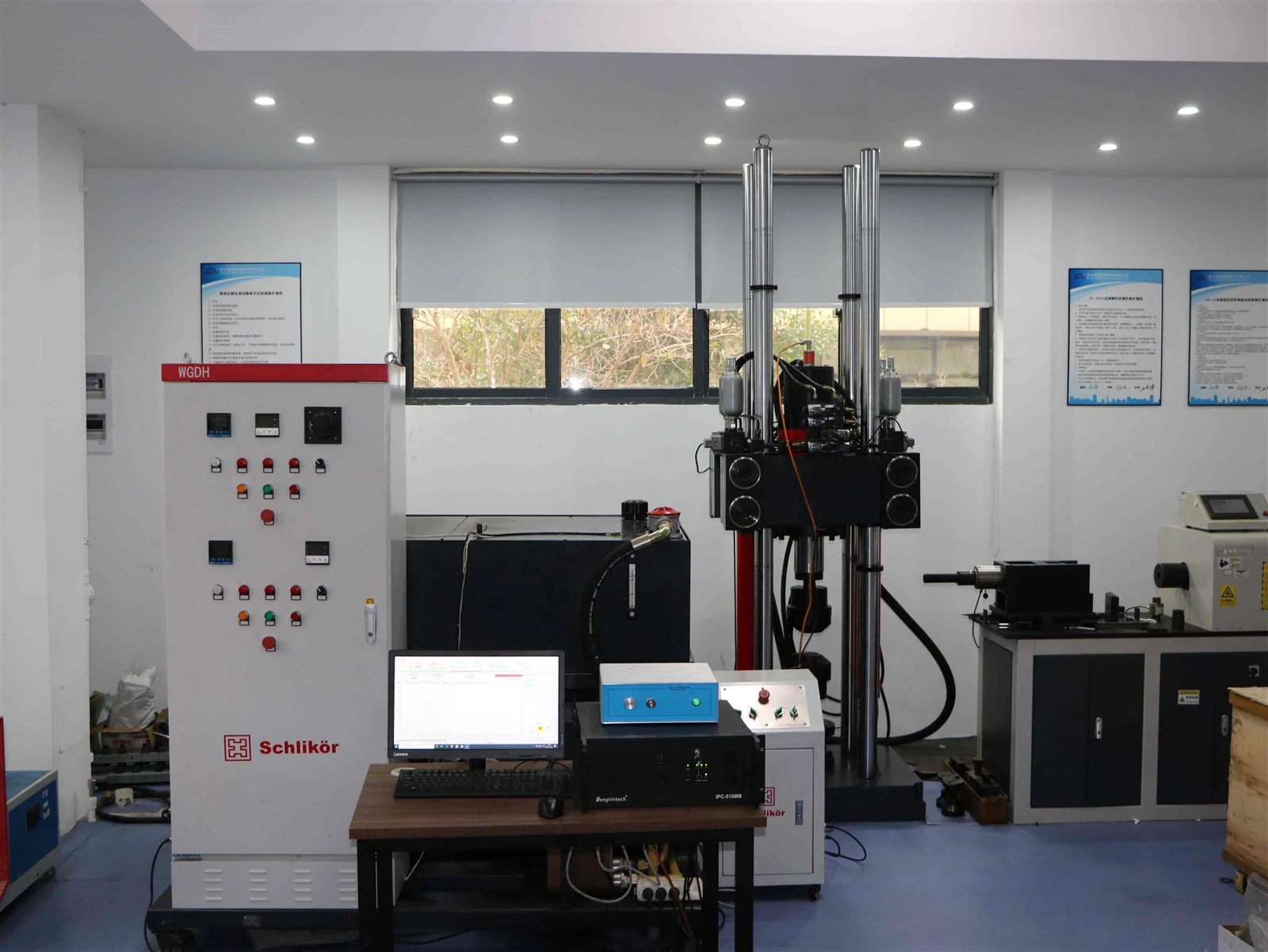
The company has more than 100 professional and technical personnel, over 90% of whom hold various medium and senior technical certificates. Equipped with complete testing equipment worth over RMB 10 million, our business scope covers the whole country.